FAA Expands AI-Assisted SMART Traffic Tool to All 22 En Route Centers
The FAA is extending SMART, its AI-assisted traffic planning tool, to all 22 en route centers. What the system does, early results and open questions.
The US Federal Aviation Administration is extending FAA SMART, its AI-assisted traffic planning tool, to the airspace managed by all 22 of the country’s air route traffic control centers. The agency announced the expansion on 10 November 2026, as reported by AeroTime, after a limited trial in the Washington, DC area that began in September.
What SMART does
SMART stands for Strategic Management of Airspace, Routes and Trajectories. It combines around 200 data streams, including weather, planned flight paths, traffic volumes and controller staffing, to predict where demand is likely to exceed what a sector of airspace can handle. Planners can then reroute flights before the congestion builds, instead of reacting with holding patterns or ground delays.
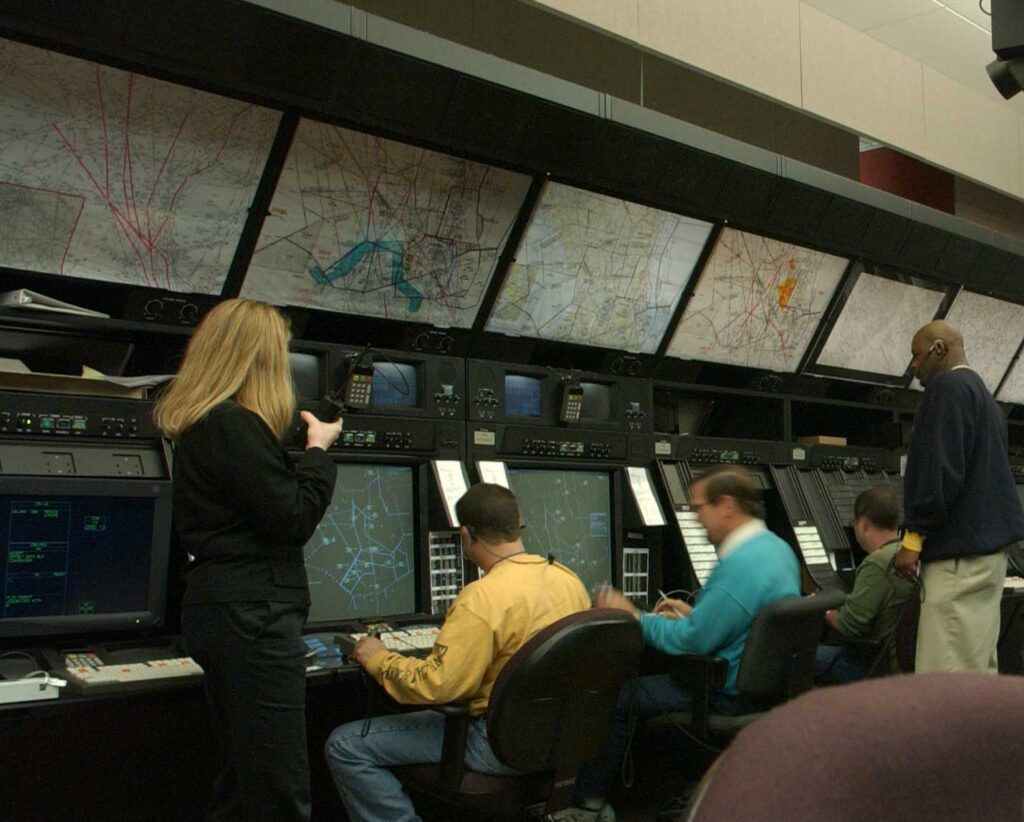
The tool does not talk to aircraft and does not replace controllers. Specialists at the SMART center in Washington review its output and send recommendations to the FAA’s Air Traffic Control System Command Center in Warrenton, Virginia. The command center passes them to the facilities responsible for the airspace, and local managers decide whether to use them.
Early results around Washington
The FAA began limited operations on 21 September 2026 for flights at Reagan National, Washington Dulles and Baltimore/Washington International. According to the agency, the tool has since helped reroute 180 flights, saving an average of 10 minutes and nearly 80 gallons of fuel per rerouted flight.
Questions from Congress
The expansion comes after more than two dozen lawmakers asked the FAA in October to pause the Washington rollout and explain how the system had been tested for safety and how staff had been trained to use it. The agency’s 10 November update did not address those questions.
Why it matters
The 22 en route centers handle aircraft between departure and arrival, at cruising altitude, and they are where much of the US system’s delay starts. Better planning in that layer can reduce the knock-on holds felt at busy airports, especially while the FAA is still short of fully certified controllers. At the same time, any tool that shapes traffic flows in the national airspace will be expected to show how it was validated, and that is the question lawmakers are still waiting on.
For background on the surveillance data that feeds modern traffic management, see our guide to ADS-B, and follow the latest headlines on our live aviation news page.
Sources
- AeroTime: FAA expands AI traffic planning tool to all 22 US en route centers
- Federal Aviation Administration announcement of 10 November 2026