









Explore our comprehensive aviation dictionary covering essential terminology from aerodynamics to navigation. Filter by category, difficulty level, or search for any term to deepen your aviation knowledge.
Showing 30 of 30 terms
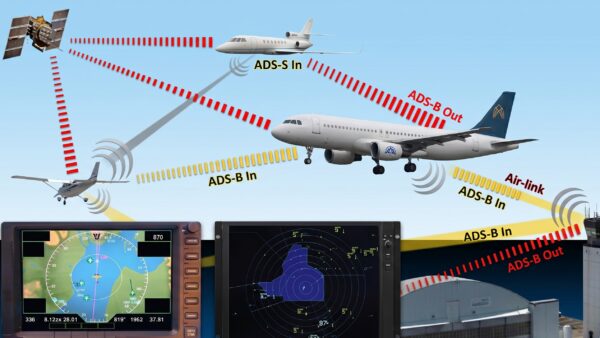
ADS-B (Automatic Dependent Surveillance–Broadcast)
ADS-B is a satellite-based surveillance technology that lets an aircraft broadcast its GPS position, speed and altitude, allowing air traffic control and…

Aerodynamic Drag Explained: Meaning, Types and Flight Effect
Aerodynamic drag is the rearward force that opposes aircraft motion through the air and affects speed, fuel burn, and performance.
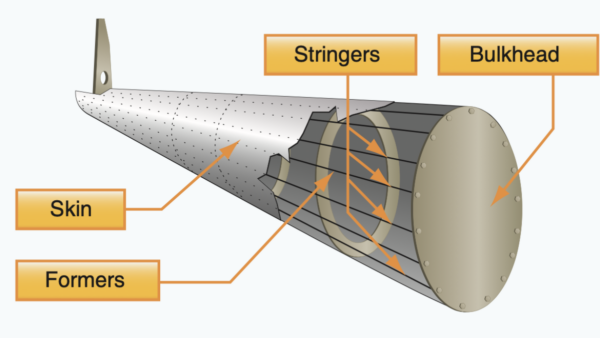
Aircraft Bulkhead Explained: Structure, Pressure and Safety
An aircraft bulkhead is a structural partition that strengthens the fuselage, separates sections, and may help contain pressure or fire.
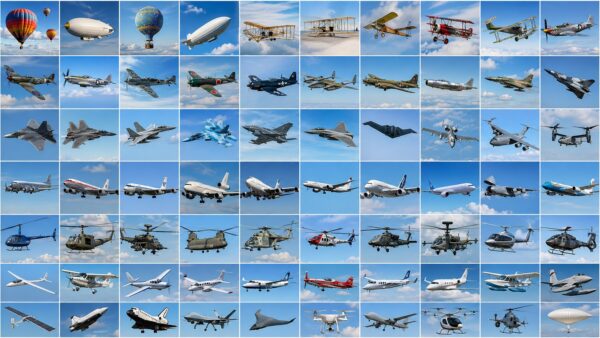
Aircraft Definition: Meaning, History and Types
Learn the aircraft definition, where the word comes from, and how aviation classifies airplanes, helicopters, balloons, gliders, and drones.
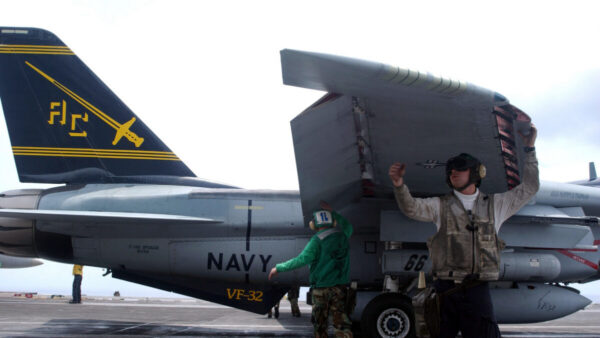
Aircraft Flap Explained: Meaning, Function and Types
An aircraft flap is a high-lift device on the wing that helps aircraft fly safely at lower speeds during takeoff and landing.

Aircraft Fuselage Explained: Meaning, Structure and Function
An aircraft fuselage is the main body of an aircraft, housing crew, passengers, cargo, systems, and key structural attachments.
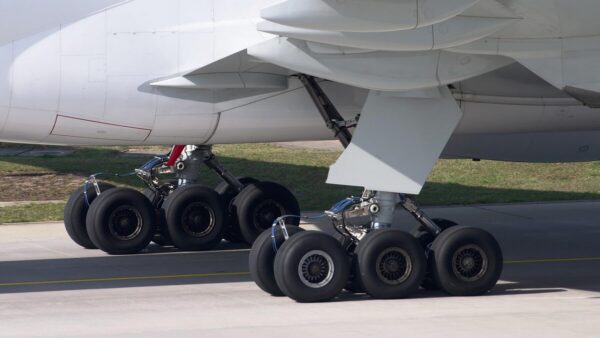
Aircraft Landing Gear Explained: Function, Types and Safety
Aircraft landing gear supports the aircraft on the ground, absorbs touchdown loads, and enables taxiing, braking, and steering.
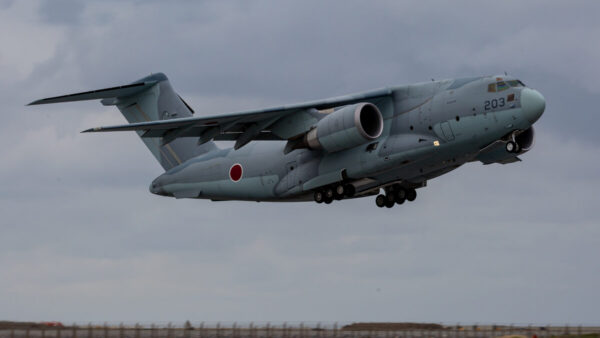
Aircraft Lift Explained: Meaning, Physics and Flight Role
Aircraft lift is the aerodynamic force that supports flight by acting mostly upward and helping an aircraft overcome its weight.

Airport Apron Explained: Meaning, Uses and Components
An airport apron is the paved area where aircraft park, load passengers, handle cargo, refuel, and receive maintenance support.
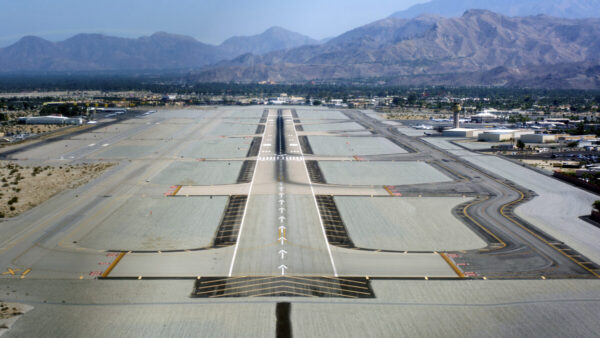
Airport Runway Explained: Meaning, Markings and Airport Use
A runway is the prepared airport surface where aircraft take off and land, supported by markings, lighting, pavement, and safety systems.
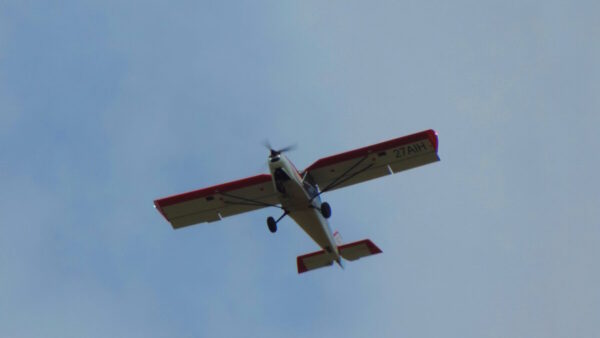
Aspect Ratio Explained: Wing Shape and Aircraft Performance
Aspect ratio compares wingspan with wing area and helps explain why gliders have long narrow wings while fighter jets use shorter wings.
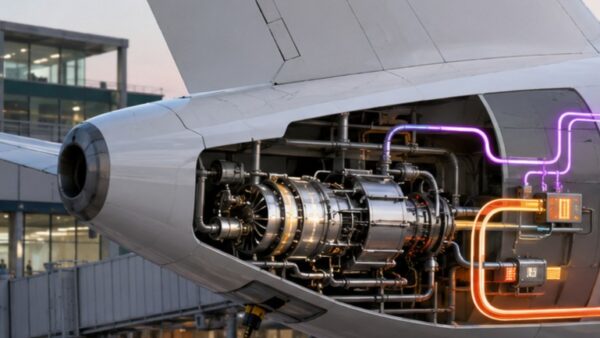
Auxiliary Power Unit Explained: APU Function in Aircraft
An auxiliary power unit is a small onboard power source that supplies aircraft electricity, bleed air, and engine-start support.

Bernoulli's Principle Explained: Airflow, Pressure and Lift
Bernoulli's Principle explains how faster-moving airflow has lower static pressure, helping describe pressure differences around aircraft wings.

Crew Resource Management Explained: CRM in Aviation Safety
Crew resource management is aviation safety training that improves communication, teamwork, leadership, and decision making in flight operations.
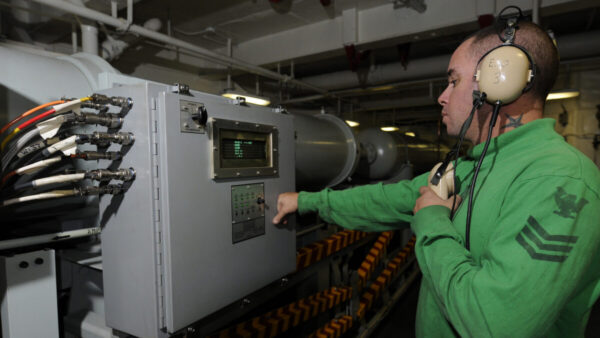
Cross-Check Explained: Meaning and Use in Aviation Safety
A cross-check is an aviation safety procedure where crew members verify actions, instruments, or configurations to prevent errors.

Flight Deck Explained: Aircraft Cockpit and Carrier Meaning
A flight deck can mean the control center of a large aircraft or the launch and landing area on an aircraft carrier,…
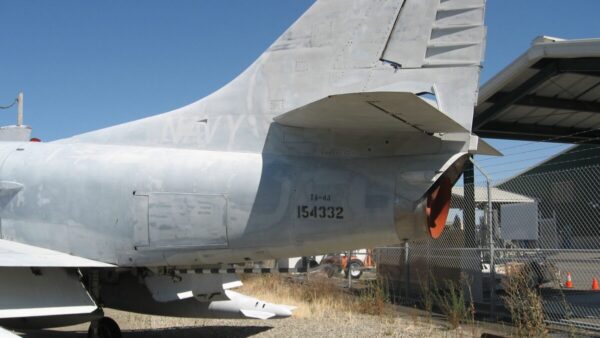
Horizontal Stabilizer Explained: Pitch Stability and Control
A horizontal stabilizer is a tail surface that helps keep an aircraft stable in pitch and supports elevator control during flight.
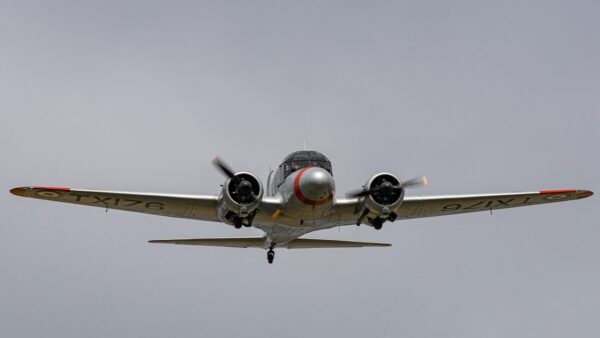
Leading Edge Explained: Wing Anatomy and Airflow Role
The leading edge is the front part of a wing, tail, rotor, or propeller blade that first meets the oncoming airflow.
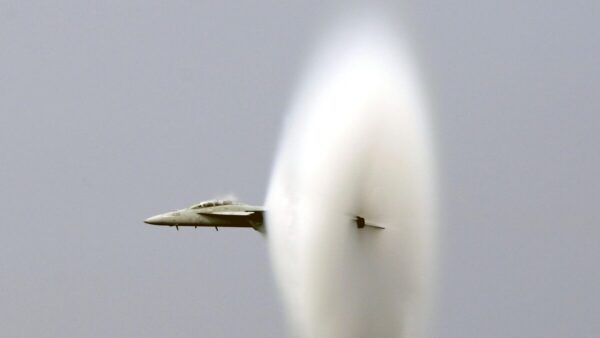
Mach Number Explained: Meaning, Formula and Flight Speeds
Mach number compares an aircraft’s true speed with the local speed of sound and helps explain transonic, supersonic, and hypersonic flight.
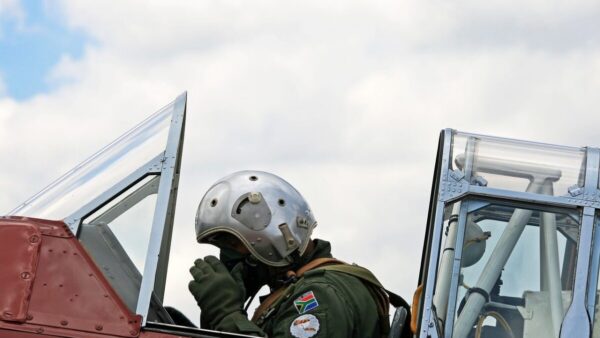
Mayday Sig Explained: Aviation Distress Call and Emergency Use
Mayday is the international aviation distress call used when an aircraft faces a serious and immediate emergency requiring help.

Pan-Pan Call Explained: Aviation Urgency Call and Meaning
Pan-Pan is an aviation urgency call used when an aircraft has a serious problem but is not in immediate life-threatening danger.
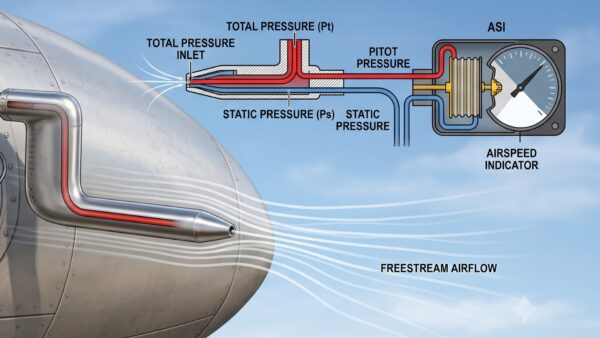
Pitot Tube Explained: Meaning, Function and Aviation Use
A pitot tube is a small pressure probe that helps aircraft measure airspeed by sensing airflow pressure during flight.
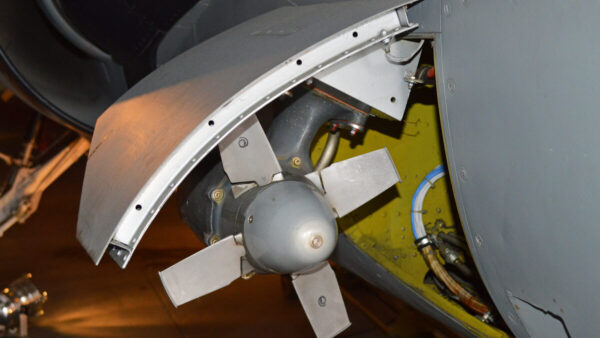
Ram Air Turbine Explained: RAT Emergency Power System
A ram air turbine is a small deployable turbine that uses airflow to provide emergency electrical or hydraulic power to an aircraft.
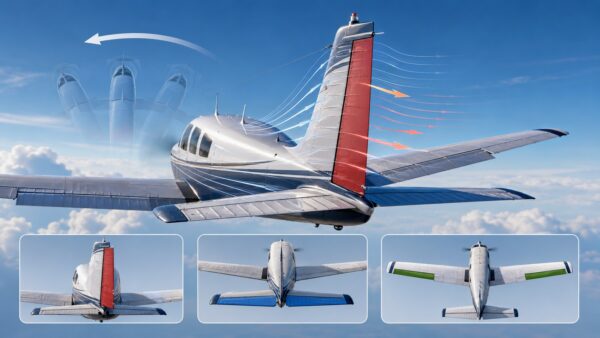
Rudder Explained: Meaning, Function and Use in Aircraft
A rudder is a primary flight control surface that helps control yaw, improve coordination, and support directional stability in aircraft.

Taxiway Explained: Meaning, Markings and Airport Use
A taxiway is an airport ground route that connects runways, aprons, hangars, and terminals for safe aircraft movement.
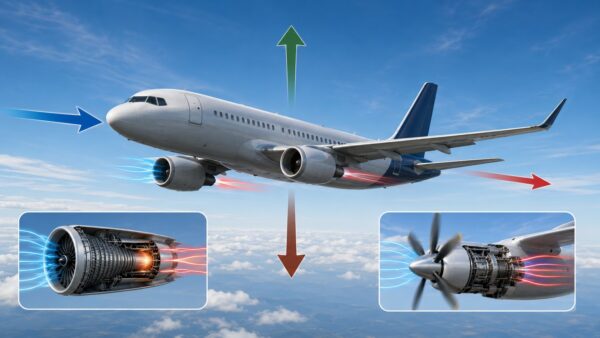
Thrust Explained: Meaning, Force and Aircraft Propulsion
Thrust is the propulsive force that moves an aircraft forward and helps it overcome drag during takeoff, climb, cruise, and flight.
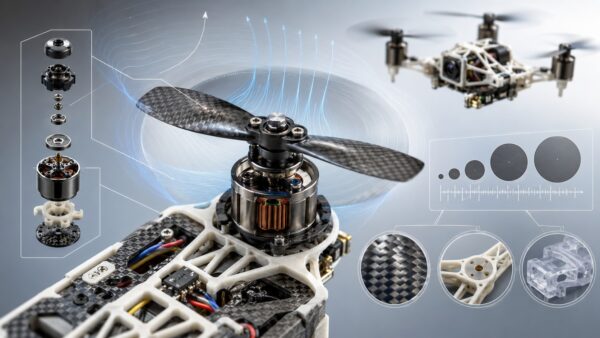
Tiny Rotor Explained: Meaning, Design and Uses
A tiny rotor is a miniature lifting or propeller component used in micro drones, nano UAVs, and small aerial systems.
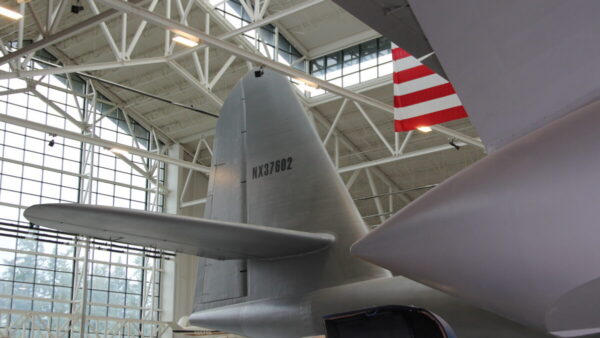
Vertical Stabilizer
Quick Definition In aviation, the vertical stabilizer (commonly known as the tail fin) is the static, upright aerodynamic surface located at the rear of…
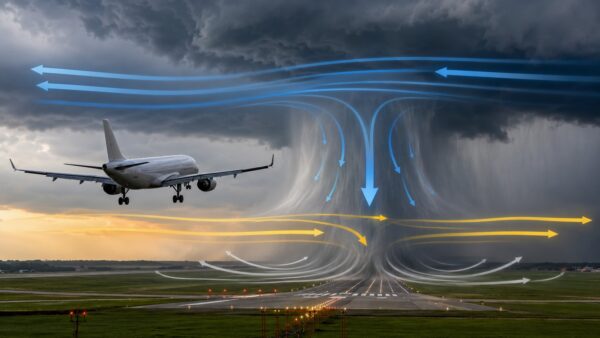
Wind Shear Explained: Meaning, Types and Aviation Risk
Wind shear is a sudden change in wind speed or direction over a short distance, creating important risks for aircraft during flight.

Winglet Explained: Meaning, Function and Types
A winglet is a wingtip device that helps reduce drag, control wingtip vortices, and improve the efficiency of fixed-wing aircraft.