The Storm That Changed Aviation Forever | Delta 191
On 2 August 1985, Delta Flight 191 flew into a microburst on final approach to Dallas–Fort Worth. The accident killed 137 people and led directly to the wind shear warning systems and training that protect airliners today.
On the evening of 2 August 1985, Delta Flight 191, a Lockheed L-1011 TriStar flying from Fort Lauderdale to Los Angeles via Dallas–Fort Worth, was on final approach to runway 17L at DFW. Ahead of it, a small thunderstorm had formed north of the airport, with visible lightning and heavy rain. The crew continued the approach. Inside the storm was a microburst, and within seconds the aircraft lost the airspeed and height it needed to stay in the air.
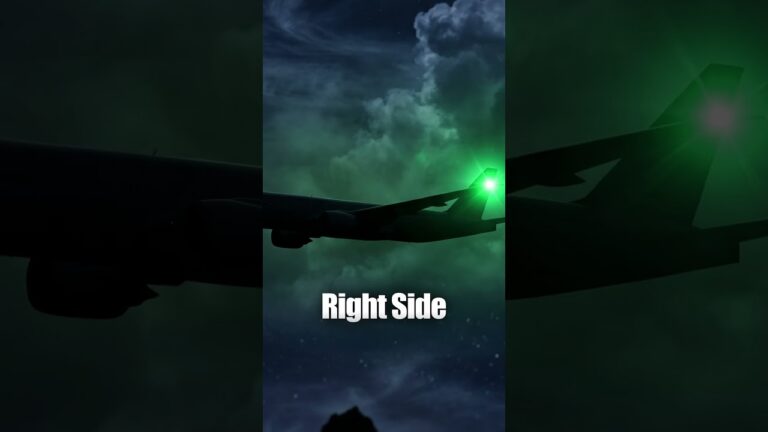
This short video, part 2 of The Aero Graphy’s Bad Weather Landings series, shows what happened to the airflow around the TriStar and why the accident changed aviation safety.
What a microburst does
A microburst is a column of cold, heavy air that falls out of a thunderstorm and spreads out in all directions when it hits the ground, a little like water poured onto a table. An aircraft flying through it meets three things in quick succession:
- A headwind, which briefly increases airspeed and lift, so the aircraft tends to rise above the glide path. A natural reaction is to reduce power.
- A strong downdraft in the centre, pushing the aircraft towards the ground.
- A tailwind on the far side, which suddenly reduces airspeed and therefore lift, just when the aircraft is low and slow.
This rapid change in wind speed and direction is called wind shear. Close to the ground, there may not be enough height or engine power to recover.
The accident
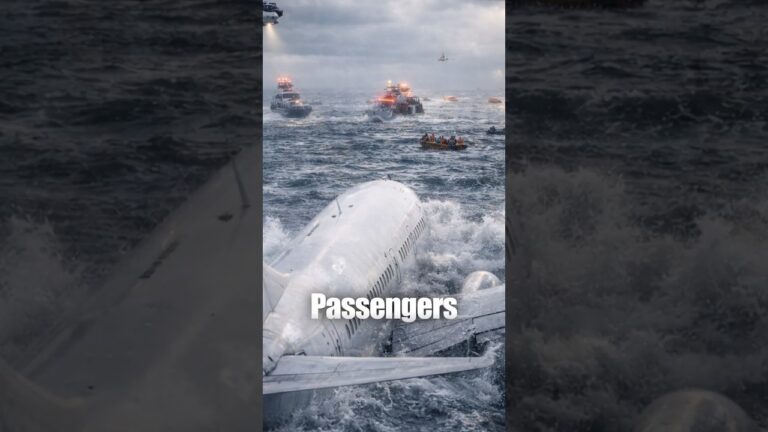
Flight 191 met exactly this sequence on short final, only a few hundred metres above the ground. After the headwind and the downdraft, the TriStar lost airspeed in the tailwind, struck the ground in a field north of the airport, hit a car on a highway, killing its driver, and then struck two water tanks and broke apart. Of the 163 people on board, 136 died, including two who died later of their injuries, and 27 survived. With the driver on the ground, the accident killed 137 people.
The US National Transportation Safety Board concluded that the probable cause was the crew’s decision to start and continue the approach into a thunderstorm with visible lightning, together with the lack of specific procedures and training for avoiding and escaping low-altitude wind shear, and the lack of real-time information about the hazard.
How it changed aviation
Flight 191 became the turning point in the fight against wind shear. Research by NASA and the FAA in the years that followed led to three lasting changes:
- Warning systems in the cockpit. US rules now require turbine-powered airliners built after 2 January 1991 to carry a wind shear warning and flight guidance system, and many later aircraft add predictive wind shear radar that can spot a microburst ahead.
- Better weather radar on the ground. Terminal Doppler Weather Radar was installed at major US airports to detect microbursts and warn controllers and pilots.
- Training. Pilots now practise wind shear recognition and escape manoeuvres in the simulator: full power and a nose-up pitch to trade speed for height, without changing configuration.
The simplest lesson still comes first: do not fly an approach into a thunderstorm. Wait, hold or divert.
Watch the series
Part 1 of the series explains how airliners deal with storms, fog and ice: Storms, Fog, Ice: How Airliners Land in Bad Weather.
Sources
- National Transportation Safety Board, Aircraft Accident Report NTSB/AAR-86/05: Delta Air Lines Flight 191, Lockheed L-1011-385-1, N726DA, Dallas/Fort Worth International Airport, 2 August 1985
- US Code of Federal Regulations, 14 CFR 121.358: Low-altitude windshear system equipment requirements
- NASA Langley Research Center, airborne wind shear detection research programme, 1986–1993

Start the discussion
Commenting on this video: The Storm That Changed Aviation Forever | Delta 191