US Lawmakers Agree to Require ADS-B In Traffic Alerts on Aircraft
Senate and House leaders agreed in principle to require ADS-B In traffic alerts on aircraft that already need ADS-B Out. Military rules are still open.
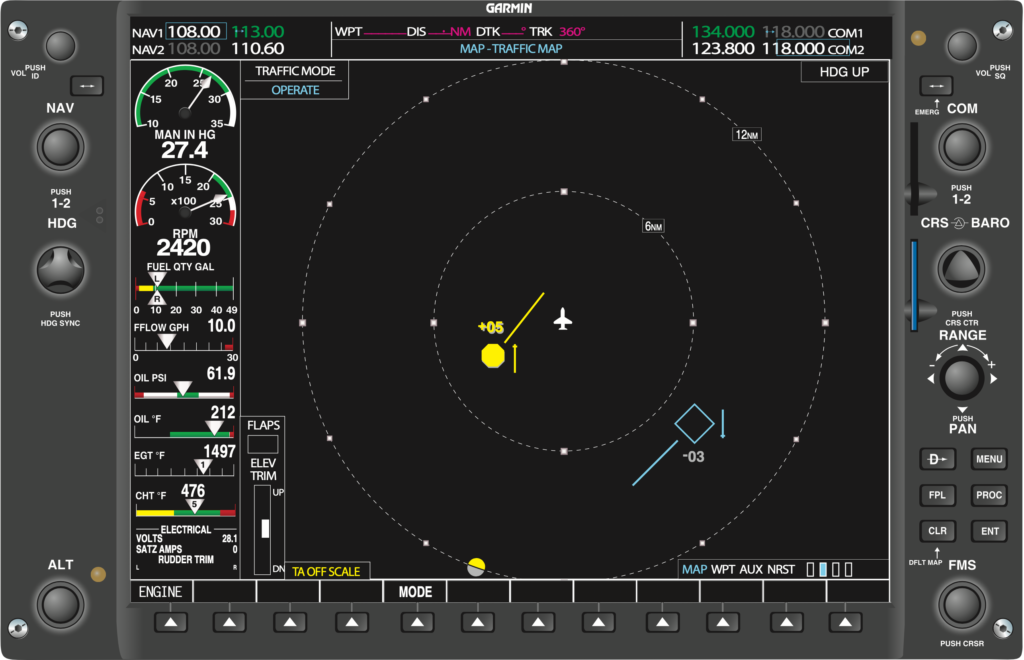
US lawmakers have agreed in principle to make ADS-B In mandatory on aircraft that already have to broadcast their position. Senators Ted Cruz (R-Texas) and Maria Cantwell (D-Washington), the top Republican and Democrat on the Senate Commerce Committee, announced the deal with their House counterparts on 17 November 2026. They spoke at an event organised by families of the victims of the January 2025 collision near Ronald Reagan Washington National Airport (DCA).
The agreement is not law yet. Congress still has to pass a common bill, and the rules for military aircraft are still being negotiated.
What ADS-B In does
Most US aircraft flying in controlled airspace must carry ADS-B Out, which broadcasts their GPS position, altitude and speed. ADS-B In is the receiving side. It picks up those broadcasts and shows nearby traffic on a cockpit display, with audible alerts when another aircraft comes close. The FAA requires ADS-B Out in much of US controlled airspace, but it has never required ADS-B In.
What the deal would require
- Aircraft already required to carry ADS-B Out would also need ADS-B In. This covers airliners, business jets and general aviation aircraft in that airspace.
- Aircraft that fly legally without ADS-B Out, such as some vintage light aircraft and balloons, would not automatically be covered.
- The Senate-passed ROTOR Act sets an equipage deadline of 31 December 2031. It allows cheaper options, including portable receivers, for private (Part 91) aircraft below 12,500 lb maximum takeoff weight. The FAA would decide which equipment qualifies.
The military question
The ROTOR Act passed the Senate unanimously in December 2025. In February 2026 it fell one vote short of the two-thirds majority it needed in an expedited House vote, after the Pentagon withdrew its support. The House then passed its own bill, the ALERT Act. Cruz said a “couple of details” remain to be settled with the House Armed Services Committee, and that he hopes Congress will pass the bill before the end of the year. Cantwell said: “We must have strong military accountability in the national airspace.”
Why it matters
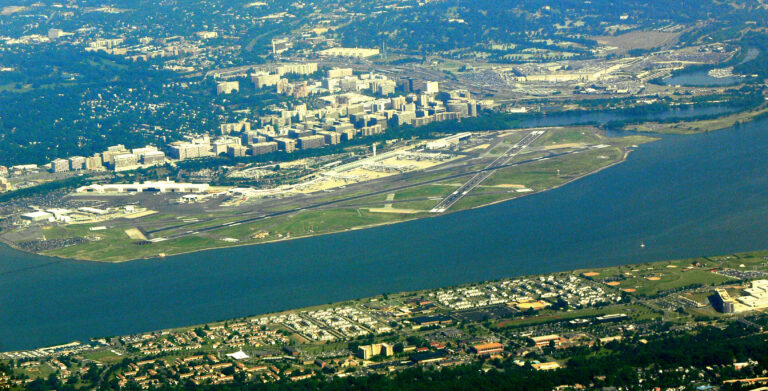
On 29 January 2025, American Airlines Flight 5342, a PSA Airlines CRJ700, collided with a US Army UH-60 Black Hawk over the Potomac River. All 67 people on both aircraft were killed. You can read the full story in our Potomac River collision entry.
According to the National Transportation Safety Board (NTSB), an ADS-B-based alerting system could have warned the jet’s crew about the helicopter 59 seconds before impact, and again 35 seconds before. The CRJ700’s traffic collision avoidance system (TCAS) worked as designed, but altitude limits built into it stopped it from telling the pilots how to manoeuvre away. The NTSB issued 50 safety recommendations after the investigation and has urged the FAA to require ADS-B In for years.
The runway status lights at busy US airports show how technology can warn pilots on the ground. ADS-B In would do a similar job in the air, for many more aircraft.
Sources
- AeroTime: US lawmakers reach aircraft safety deal after fatal Washington collision
- The Washington Sun: Lawmakers strike aviation safety deal nearly two years after deadly D.C. crash
- US Senate Commerce Committee: Key Senate and House leaders agree on ADS-B safety legislation framework
- NTSB investigation DCA25MA108: PSA Airlines CRJ700 and Sikorsky UH-60 midair collision

Start the discussion
Commenting on this story: US Lawmakers Agree to Require ADS-B In Traffic Alerts on Aircraft