







Last Updated: 4 months ago
The U.S. Air Force has officially unveiled a Boeing 747 that will serve as a temporary presidential transport aircraft while Boeing continues work on the long-delayed VC-25B Air Force One program.
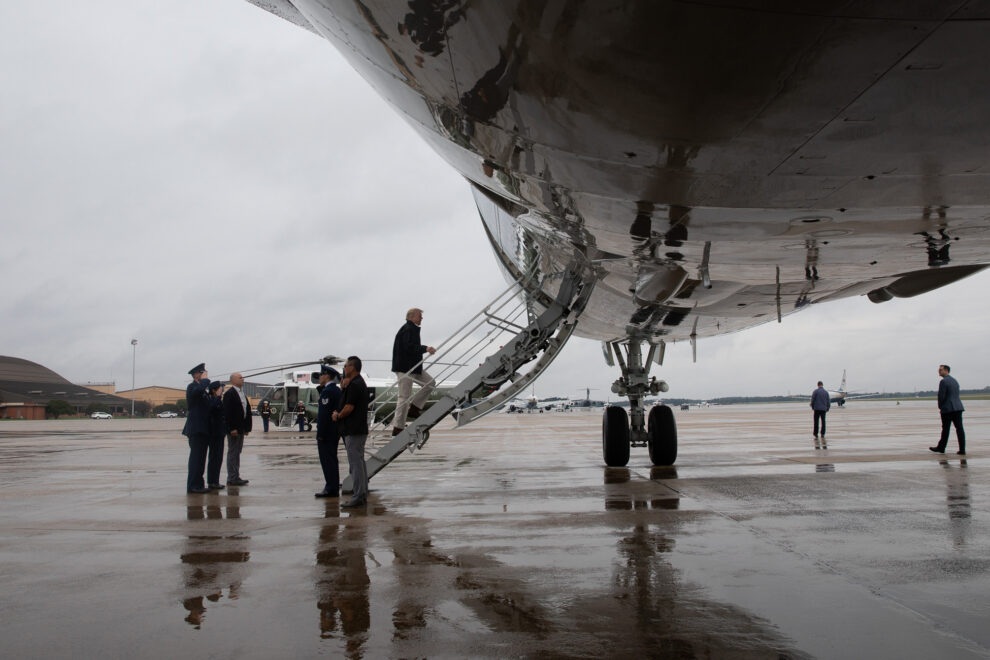
The aircraft, previously operated by the Government of Qatar, was presented during a ceremony at Joint Base Andrews. According to U.S. officials, the jet has undergone extensive modifications to support presidential transport missions and has entered a series of commissioning and evaluation flights ahead of operational use.
The introduction of the bridge aircraft comes as the VC-25B program continues to face schedule challenges. Originally expected to enter service years ago, the next-generation Air Force One project has been affected by supply chain disruptions, contractor-related issues, and design revisions that have pushed delivery timelines further into the future.
While the Boeing 747 is not intended to replace the future VC-25B fleet, defense officials say it will provide additional operational flexibility during the transition period. The aircraft has reportedly received upgrades that include secure communications capabilities and mission-specific systems required for government transport operations.
A series of test and evaluation flights is expected to continue before the aircraft becomes fully integrated into presidential transport duties.
Background: Why the Boeing VC-25B Program Matters
The VC-25B program remains one of the most closely watched projects in military aviation, with Boeing continuing work on two next-generation presidential aircraft that will eventually replace the aging VC-25A fleet currently used by the President of the United States.
The VC-25B program is one of the most complex aircraft modification projects currently underway in the United States. Based on the Boeing 747-8 platform, the future Air Force One fleet is being equipped with highly specialized communications, security, and mission systems designed to support presidential operations anywhere in the world.
Unlike a standard commercial airliner, Air Force One aircraft are required to function as airborne command centers capable of maintaining secure communications during national emergencies. The extensive modifications involved have contributed to rising costs and repeated schedule delays throughout the program.
Once delivered, the two VC-25B aircraft will replace the current VC-25A fleet, which has been in service since the early 1990s and remains one of the most recognizable symbols of the U.S. presidency.
Sources:
- Defense News
- PBS NewsHour
- The Aviationist