Flight 191 Accident: The Deadliest US Aviation Crash
The 1979 Flight 191 accident remains the deadliest crash in US history. Discover how this tragic disaster transformed aviation safety.
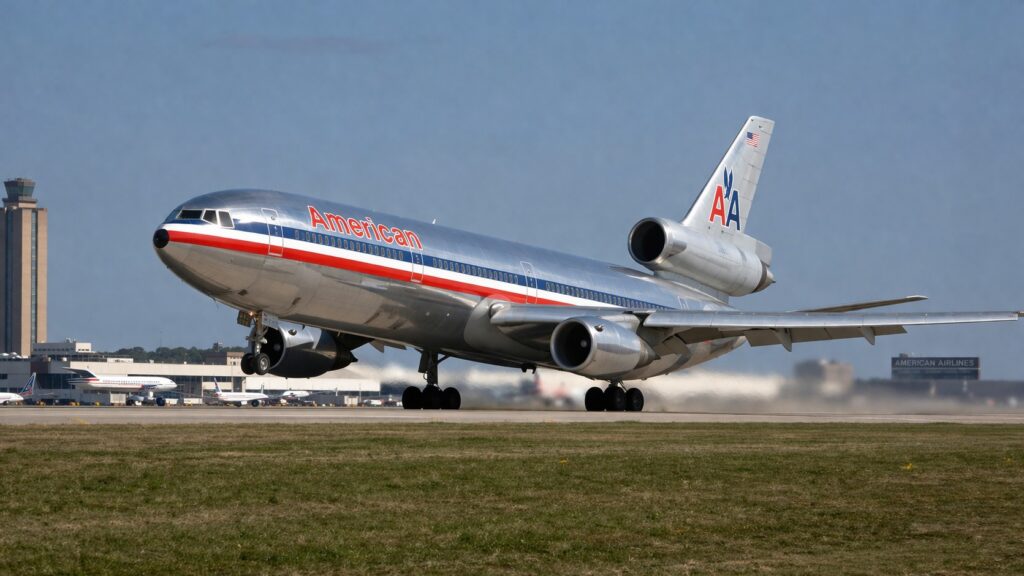
Initially, a routine journey transformed into a profound tragedy on May 25, 1979. Specifically, the infamous Flight 191 accident shocked the entire world. Consequently, this horrific event officially became the deadliest US aviation crash in history. Ultimately, the disaster claimed a heartbreaking total of 273 lives. Indeed, this massive tragedy fundamentally changed global aviation safety standards forever.
The Routine Departure of Flight 191
First, the American Airlines flight departed from O’Hare International Airport in Chicago. Basically, the crew intended to fly directly to Los Angeles. Furthermore, the airline utilized a wide-body McDonnell Douglas DC-10 jet. Specifically, this incredibly large aircraft dominated commercial operations during that era.
Next, weather conditions appeared perfectly clear for the afternoon departure. Additionally, 271 passengers and crew members boarded the massive airplane. Initially, nothing indicated any abnormality during the initial takeoff roll. However, the tragic Flight 191 accident was only seconds away.
The Fatal DC-10 Engine Separation
Suddenly, a catastrophic mechanical failure occurred as the aircraft accelerated. Specifically, the left engine completely detached from the wing structure. Consequently, the massive engine flipped over the wing and smashed onto the runway. Indeed, this terrifying DC-10 engine separation caused immediate and severe aerodynamic damage.
Furthermore, the flying debris severed crucial hydraulic lines instantly. As a result, the leading-edge slats on the left wing lost their locking mechanism. Ultimately, the left wing lost significant aerodynamic lift entirely. Meanwhile, the right wing continued to generate normal lift and thrust.
Uncontrollable Roll and Casualties
Consequently, this massive aerodynamic imbalance created a highly dangerous situation. Immediately, the damaged aircraft rolled sharply to the left side. Specifically, the plane reached a terrifying bank angle of 112 degrees. Tragically, the pilots had absolutely no time to recover the aircraft. Ultimately, the jet crashed into an open field near a trailer park.
Sadly, all 271 people on board died instantly upon impact. Furthermore, two additional individuals on the ground lost their lives. Therefore, the total death toll reached 273 fatalities. Indeed, this horrifying event solidifies its title as the deadliest US aviation crash.
NTSB Investigation and Improper Maintenance
Subsequently, the National Transportation Safety Board (NTSB) launched a massive investigation. Specifically, investigators determined that a critical maintenance error caused the disaster. Basically, American Airlines utilized an improper procedure to remove the engine. Instead of removing components separately, mechanics used a large forklift device.
Consequently, this incorrect method caused hidden structural damage to the pylon. Ultimately, this weakened pylon failed completely under high takeoff stress. Therefore, the DC-10 engine separation resulted directly from flawed engineering discipline. Indeed, the Flight 191 accident exposed severe flaws in airline maintenance protocols.
Aviation Safety Changes Following the Crash
Following the crash, the Federal Aviation Administration implemented sweeping industry changes. First, regulators mandated far stricter maintenance procedures and structural inspections. Furthermore, engineers deeply improved design evaluations for engine mounting systems. Additionally, airlines enhanced pilot training for severe asymmetric lift scenarios.
Consequently, authorities temporarily grounded all DC-10 aircraft for emergency inspections. Ultimately, this intense oversight drastically improved modern airline maintenance practices. Indeed, we fly much safer today because of these hard-learned lessons.
Conclusion and Legacy
In conclusion, the Flight 191 accident serves as a powerful historical reminder. Specifically, it highlights the absolute necessity of strict engineering discipline. Undeniably, the deadliest US aviation crash shaped modern safety regulations worldwide. Therefore, understanding this tragedy honors the victims and educates future aviation professionals.
Frequently Asked Questions (FAQs)
What caused the Flight 191 accident? Improper maintenance procedures structurally damaged the engine pylon. Consequently, the left engine completely separated from the wing during takeoff.
Why is this specific crash so historically significant? It officially remains the deadliest aviation accident in United States history. Furthermore, it forced massive regulatory changes in global aircraft maintenance procedures.
Did a design flaw cause the DC-10 engine separation? No. Investigators proved that an improper forklift maintenance procedure cracked the pylon. Therefore, it was a maintenance error rather than a pure design flaw.
So, here is the ultimate question for you: Do you think modern aircraft diagnostic computers could have detected the cracked pylon before this fatal takeoff? Let us know your thoughts in the comments below!
Did you knowAviationStream.com has a YouTube channel? Check out TheAeroGraphyOfficial and subscribe to watch fun, highly engaging aviation Shorts!
Related Historical Aviation Accidents Events
More significant events from aviation history
Assassination of Juvénal Habyarimana and Cyprien Ntaryamira: The 1994 Aircraft Shootdown in Rwanda
🗓 6 April, 1994 📍 Presidential Palace gardens, near Kigali International Airport, Kigali, Rwanda, 1°58′32″S 30°10′26″E / 1.9756°S 30.1739°E / -1.9756; 30.1739 ★★★★☆ Read full story →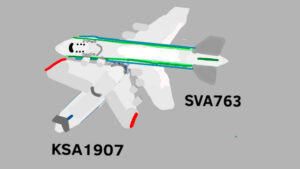
1996 Charkhi Dadri Collision: The Deadliest Mid-Air Crash
🗓 12 November, 1996 📍 Charkhi Dadri, Haryana, India, 28°33′38″N 76°18′15″E / 28.56056°N 76.30417°E / 28.56056; 76.30417 ★★★★☆ Read full story →
United Airlines Flight 736: The Crash That Changed Aviation
🗓 21 April, 1958 📍 Clark County, Nevada, United States ★★★★☆ Read full story →
The Tragedy of Lauda Air Flight 004
🗓 26 May, 1991 📍 Phu Toei National Park, Suphan Buri province, Thailand, 14°56′48″N 99°27′10″E / 14.94667°N 99.45278°E / 14.94667; 99.45278 ★★★☆☆ Read full story →