





Last Updated: 5 days ago
Crew resource management, often shortened to CRM, is a set of aviation training principles designed to improve teamwork, communication, leadership, and decision making. It helps flight crews use all available resources to manage risk and prevent human error.
The term originally developed as cockpit resource management, because early CRM training focused mainly on pilots in the cockpit. Over time, aviation expanded the concept beyond the cockpit. Today, CRM can involve pilots, cabin crew, maintenance teams, dispatchers, air traffic controllers, and other operational personnel.
The main idea is simple: aircraft safety does not depend only on technical skill. It also depends on how people communicate, share information, manage workload, recognize threats, and make decisions under pressure.
Crew Resource Management Meaning in Aviation
In aviation, crew resource management means using people, equipment, information, procedures, and time effectively. A flight crew may have advanced avionics, checklists, weather data, and automation available. However, these resources only help if the crew uses them correctly.
CRM training teaches crews to speak up when they notice a risk, challenge unsafe decisions respectfully, confirm information clearly, and maintain situational awareness. As a result, it helps reduce errors caused by confusion, hierarchy, distraction, fatigue, or poor communication.
This is especially important because many aviation accidents do not happen because one person lacks technical knowledge. Instead, they often involve a chain of small errors, missed warnings, or communication breakdowns.
From Cockpit Resource Management to CRM
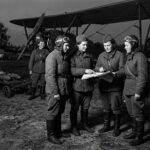
The early term cockpit resource management focused on the relationship between pilots on the flight deck. Traditional cockpit culture sometimes made junior crew members reluctant to question a captain’s decision. In high-risk situations, that silence could become dangerous.
CRM changed this mindset. It encouraged a more open cockpit environment where every crew member could contribute to safety. The captain still keeps authority, but good leadership includes listening, verifying, and using the full team.
Later, the concept evolved into crew resource management. This broader term recognizes that safe flight operations involve more than pilots. Cabin crew may notice smoke, passenger issues, abnormal sounds, or cabin safety concerns. Maintenance teams may identify technical risks before departure. Dispatchers and controllers may also provide critical information.
Main CRM Skills
| CRM Skill | What It Means | Why It Matters |
|---|---|---|
| Communication | Sharing information clearly and confirming understanding | Reduces confusion and missed instructions |
| Situational awareness | Understanding what is happening now and what may happen next | Helps crews detect threats early |
| Decision making | Choosing safe actions under time pressure | Prevents rushed or poorly evaluated choices |
| Leadership | Guiding the team while encouraging input | Improves coordination and trust |
| Teamwork | Using all crew members effectively | Helps prevent one-person decision traps |
| Workload management | Prioritizing tasks during busy phases | Reduces overload and distraction |
| Threat and error management | Identifying risks and correcting mistakes early | Stops small errors from becoming serious events |
This table shows why CRM is not just “communication training.” It is a complete safety mindset for managing people, information, and risk.
Why Human Factors Matter
Modern aircraft are highly reliable, but human performance still plays a major role in aviation safety. Pilots and crews make decisions in changing environments. They deal with weather, technical problems, time pressure, fatigue, automation, radio communication, and operational constraints.
Because of this, human factors training became essential. CRM helps crews understand how stress, workload, authority gradient, expectation bias, and distraction can affect performance.
For example, a pilot may become focused on one instrument and miss another warning. A cabin crew member may notice something unusual but hesitate to report it. A first officer may see a problem but feel uncomfortable challenging the captain. CRM addresses these situations directly.
Communication and Decision Making
Clear communication is one of the strongest CRM tools. Crews use standard calls, readbacks, briefings, checklists, and confirmation techniques to reduce misunderstanding.
Good decision making also depends on teamwork. When a problem occurs, crews must collect information, evaluate options, assign tasks, and monitor the result. In emergencies, this process must happen quickly but still remain organized.
CRM does not remove the captain’s authority. Instead, it helps the captain use the crew more effectively. Strong leadership invites useful input, sets priorities, and keeps the team focused.
CRM in Modern Aviation
Today, crew resource management is a standard part of professional aviation training. Airlines, business aviation operators, helicopter operators, maintenance organizations, and many other aviation groups use CRM principles.
Modern CRM often connects with threat and error management, known as TEM. This approach teaches crews to identify threats before they become errors and to trap errors before they become unsafe outcomes.
Automation has also made CRM more important. Modern flight decks include advanced systems, but crews must still understand what the automation is doing. Good CRM helps pilots monitor automation, cross-check information, and avoid overreliance.
Why This Term Matters
Crew resource management is one of the most important safety concepts in aviation. It recognizes that safe flight depends on both technical skill and human coordination.
CRM helps crews communicate better, make safer decisions, manage workload, and respond to threats before they become accidents. For aviation students, pilots, cabin crew, mechanics, and enthusiasts, understanding CRM is essential for understanding modern aviation safety.
Did you know AviationStream.com has a YouTube channel? Check out TheAeroGraphyOfficial and subscribe to watch fun, highly engaging aviation Shorts!