Airbus A330-900 (A330neo)
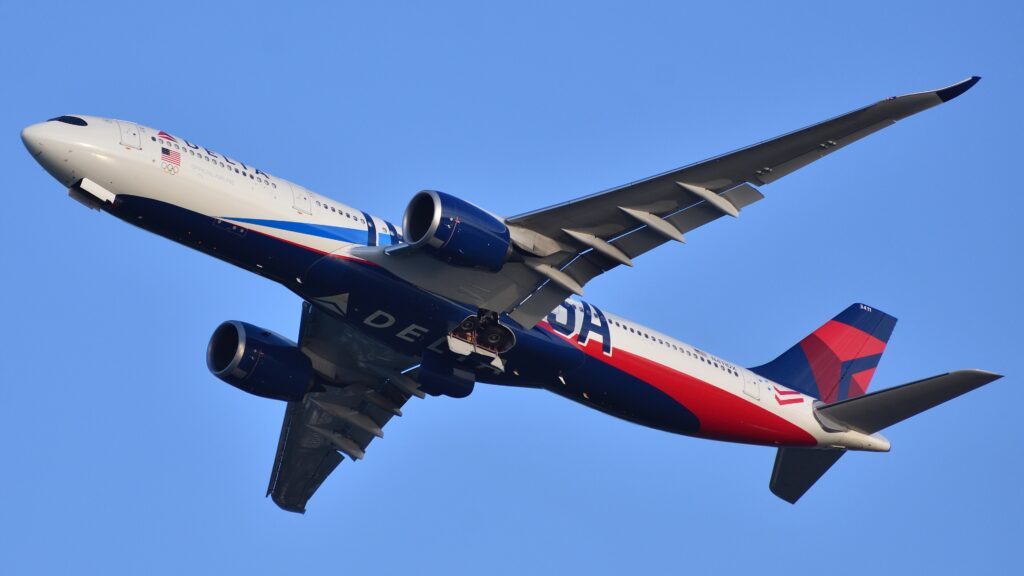
The Airbus A330-900 is the larger of the two A330neo models, a re-engined A330-300 with Rolls-Royce Trent 7000 engines and a longer wing. It first flew in 2017 and entered service with TAP Air Portugal in December 2018.
| General Characteristics | |
| Type | Wide-body jet airliner, Civil and Commercial Aircraft |
|---|---|
| National Origin | Multi-national |
| Manufacturer | Airbus |
| Variants | A330-800, A330-900, ACJ330neo |
| Status | In production and in service |
| First Flight | 19 October 2017 |
| Introduction | 15 December 2018 with TAP Air Portugal |
| Primary Users | Delta Air Lines, TAP Air Portugal, Condor, ITA Airways |
| Developed From | Airbus A330-300 |
| Capacity & Dimensions | |
| Cockpit Crew | Two |
| Overall Length | 63.69 m (208 ft 10 in) |
| Wing Span | 64 m (210 ft 0 in) |
| Overall Height | 16.79 m (55 ft 1 in) |
| Weights, Powerplant & Performance | |
| MTOW | 251,000 kg (553,400 lb) |
| OEW | 137,000 kg (302,000 lb) |
| Fuel Capacity | 139,090 L (36,750 US gal) |
| Engines | 2 × Rolls-Royce Trent 7000-72 |
| Max. Thrust | 324 kN (72,834 lbf) each |
| Max. Speed | Mach 0.86 |
| Range | 13,334 km (7,200 nmi) |
| Service Ceiling | 12,634 m (41,450 ft) |
The Airbus A330-900 is the larger of the two models in the A330neo family, a modernised version of the A330 with new engines and a longer wing. The name “neo” stands for New Engine Option. Airbus launched the programme at the Farnborough Airshow on 14 July 2014, the A330-900 first flew on 19 October 2017, and it received its EASA type certificate on 26 September 2018. TAP Air Portugal took the first aircraft on 26 November 2018 and flew its first passenger service on 15 December 2018.
Why Airbus Re-engined the A330
After the success of the A320neo, launched in 2010, A330 operators asked Airbus to do the same for its widebody. The Boeing 787 had new engines that burned 12 to 15% less fuel than those on the A330, and airlines such as AirAsia X and Delta Air Lines wanted a cheaper alternative that kept the A330’s proven airframe, crews and spare parts. Airbus chose to re-engine and re-wing the A330 rather than build a new aircraft, which kept development costs and risk low. The company promised 14% lower fuel burn per seat compared with the earlier A330-300.
Design Changes
The A330-900 keeps the fuselage length of the A330-300, 63.69 m (208 ft 10 in), and its 5.64 m-wide cabin. The main changes are:
- New engines: Rolls-Royce Trent 7000 turbofans, developed from the Trent 1000 used on the Boeing 787, with about twice the bypass ratio of the engines on the older A330.
- A longer wing: the span grows by 3.7 m to 64 m (210 ft), and new curved winglets, which Airbus calls Sharklets and which look like those on the A350, reduce drag. The aircraft still fits in the same airport gates as the older A330.
- Aerodynamic tweaks: changes to the wing twist, belly fairing and flap track fairings, together worth about 4% in drag reduction.
- A heavier take-off weight: the first aircraft were certified at 242 tonnes, and a 251-tonne version, certified by EASA on 8 October 2020 and first delivered to Corsair in March 2021, adds about 1,300 to 1,900 km (700 to 1,000 nmi) of range.
Cabin
Airbus fitted the A330neo with its Airspace cabin, first used on the A350, with larger overhead bins, new lighting and redesigned toilets. Most airlines fit about 260 to 300 seats in two or three classes, but the aircraft can carry many more: Cebu Pacific of the Philippines flies it with 459 seats in an all-economy layout. In economy, eight seats across in a 2-4-2 layout is common, which leaves no passenger more than one seat from an aisle.
Engines and Performance
Each Trent 7000-72 engine produces 324 kN (72,834 lbf) of thrust. The A330-900’s maximum take-off weight is 251,000 kg (553,400 lb), its range is about 13,334 km (7,200 nmi), and its maximum operating speed is Mach 0.86. Pilots can move between the A330neo, the older A330 and the A350 with a short differences course, because the flight decks share the same layout and fly-by-wire control laws.
In Service
By October 2026 Airbus had received 559 orders for the A330neo family from more than 30 customers, and had delivered 203. The A330-900 is by far the more popular of the two models. The largest operators include Delta Air Lines, TAP Air Portugal, Condor, ITA Airways and Cebu Pacific, and the 100th A330neo was delivered to Condor in April 2023. Delta uses its A330-900s to replace Boeing 767-300ERs on transatlantic routes and expects about 20% lower operating costs per seat.
How It Compares
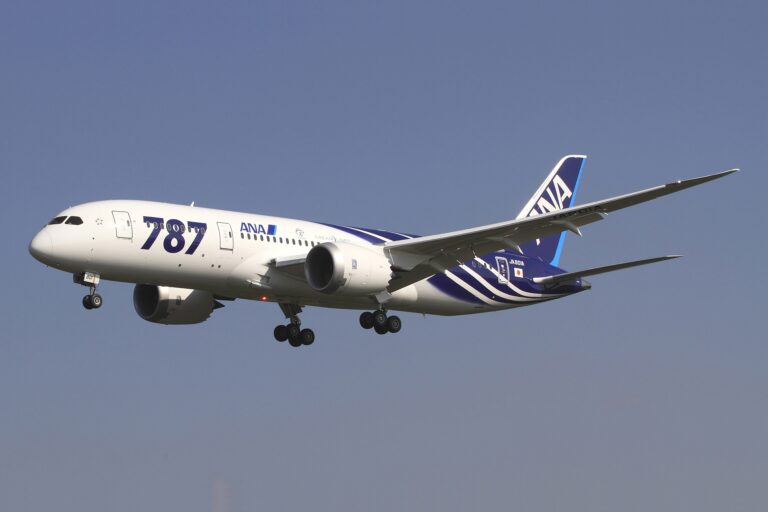
Its main rival is the Boeing 787-9. The 787 is lighter thanks to its composite structure and has more range, but the A330-900 has a wider wing and costs less to buy. Airbus claims the A330-900 burns about 1% less fuel per flight than a 787-9 with similar seating. For longer routes, airlines usually choose the larger and newer Airbus A350-900.
Frequently Asked Questions
What does “neo” mean on the A330neo? It stands for New Engine Option.
What engine does the A330-900 use? Only one engine is offered: the Rolls-Royce Trent 7000.
What is the range of the A330-900? About 13,334 km (7,200 nmi) at the 251-tonne maximum take-off weight.
Start the discussion
Commenting on this aircraft: Airbus A330-900 (A330neo)