






Last Updated: 5 days ago
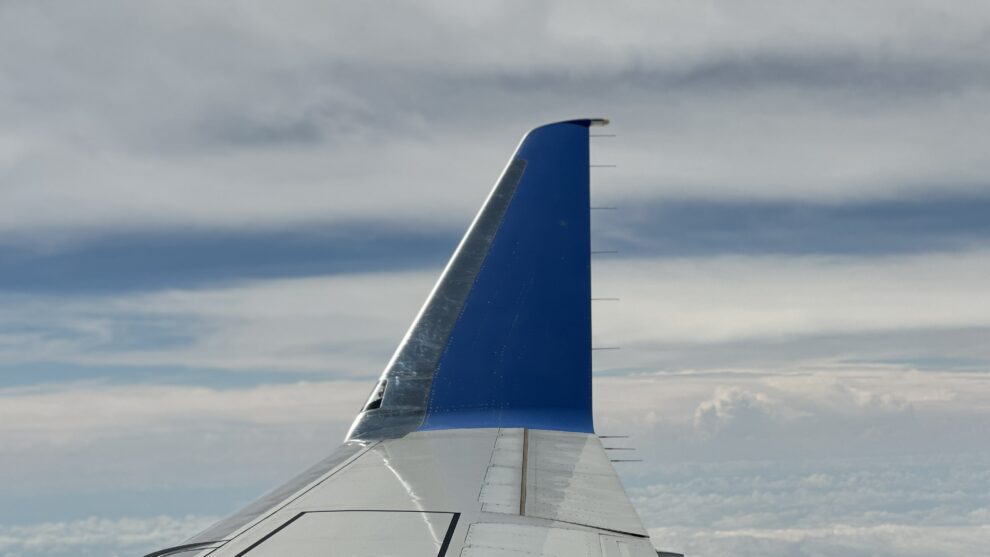
A winglet is a small aerodynamic surface fitted near the tip of an aircraft wing. Its main purpose is to improve efficiency by reducing drag, especially the drag created by wingtip vortices. Although it may look like a simple upward extension of the wing, a winglet plays an important role in aircraft performance, fuel economy, and aerodynamic design.
In aviation, the term belongs to a wider family known as wingtip devices. These include blended winglets, wingtip fences, raked wingtips, split winglets, sharklets, and Hoerner tips. Each design has a different shape, but they all aim to control airflow near the wingtip and reduce energy loss.
Why Wingtip Vortices Form
A wing creates lift by producing a pressure difference between its lower and upper surfaces. The pressure below the wing is usually higher than the pressure above it. Near the wingtip, this high-pressure air tries to move around the tip toward the low-pressure area above the wing.
This movement creates a rotating airflow pattern called a wingtip vortex. The vortex represents wasted energy and increases induced drag, which is drag related to lift production. Induced drag becomes especially important during slower flight phases, such as takeoff and climb.
Aircraft designers can reduce induced drag by increasing wingspan. A longer wing usually improves aerodynamic efficiency. However, a larger span also creates structural and operational problems. It can increase wing weight, bending loads, and parasitic drag. It can also create gate compatibility issues at airports.
A winglet offers a more practical solution. Instead of making the entire wing much longer, engineers shape the wingtip to manage the vortex more efficiently.
How a Winglet Works
A winglet changes the airflow pattern at the outer end of the wing. It helps reduce the strength of the wingtip vortex and improves the effective height or span of the lifting system. As a result, the aircraft can produce lift with less drag.
Lower drag means the aircraft needs less thrust to maintain the same flight condition. This can reduce fuel consumption, improve climb performance, increase range, or lower emissions. For airlines, even a small percentage improvement can create major savings over thousands of flight hours.
However, the benefit is not automatic. A winglet adds weight and structural complexity. Engineers must balance the aerodynamic gain against the extra load on the wing, manufacturing cost, and maintenance requirements.
Common Wingtip Device Types
| Type | Description | Common Use |
|---|---|---|
| Blended winglet | A smooth, curved wingtip extension that blends into the wing | Business jets and commercial aircraft |
| Wingtip fence | Vertical surfaces above and below the wingtip | Airbus narrow-body aircraft |
| Raked wingtip | A swept extension of the wingtip, often without a vertical fin shape | Long-range airliners |
| Split winglet | A design with upper and lower wingtip surfaces | Modernized commercial aircraft |
| Sharklet | Airbus term for a modern blended wingtip device | Airbus aircraft families |
| Hoerner tip | A shaped or drooped tip designed to influence vortex flow | Gliders and light aircraft |
This table shows why not every aircraft uses the same design. A glider, a business jet, and a long-haul airliner operate under different aerodynamic, structural, and economic requirements.
Hoerner Tips and Early Development
The idea of improving wingtip airflow is not new. After World War II, Dr. Sighard F. Hoerner became an important researcher in aerodynamic drag reduction. His work helped develop a better understanding of how wingtip shape affects vortices and drag.
One design associated with his name is the Hoerner tip. This type uses a shaped or drooped wingtip to guide the vortex away from the upper wing surface. Gliders and light aircraft have used Hoerner-style tips for many years because they offer a relatively simple way to improve efficiency.
Modern winglets developed from the same basic aerodynamic problem: how to reduce drag without making the wing too long, heavy, or difficult to operate at airports.
Winglets on Modern Aircraft
Today, many commercial aircraft use advanced wingtip devices. Boeing aircraft may use blended winglets, raked wingtips, or split scimitar-style designs depending on the model. Airbus commonly uses the term sharklet for some of its modern wingtip designs.
These devices are especially valuable on aircraft that fly long routes. During cruise, drag reduction can have a significant effect on fuel burn. For this reason, wingtip design has become an important part of modern aircraft efficiency.
Winglets also help manufacturers upgrade existing aircraft. In some cases, adding a new wingtip device can improve performance without designing an entirely new wing.
Why the Term Matters
Understanding the term winglet helps explain why aircraft wings often have different tip shapes. These structures are not decorative. They are carefully engineered aerodynamic devices that influence drag, fuel use, range, and operational efficiency.
From simple Hoerner tips to modern blended winglets and sharklets, wingtip design shows how small details can create meaningful performance improvements. A winglet may be a small part of the aircraft, but its effect on efficiency can be significant.
Did you know AviationStream.com has a YouTube channel? Check out TheAeroGraphyOfficial and subscribe to watch fun, highly engaging aviation Shorts!