







Last Updated: 4 months ago
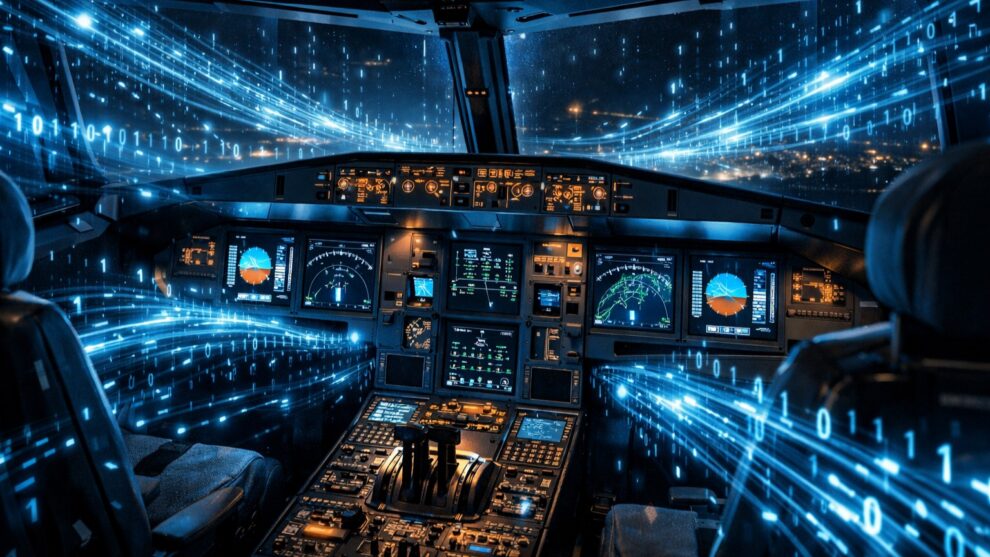
What happens when a passenger jet relies entirely on seven digital brains? Initially, many passengers panic about digital glitches. Specifically, they wonder what happens if an airplane computer crashes mid-flight. However, a multi-million dollar passenger jet handles digital processing perfectly. Indeed, the fly-by-wire system is a masterclass in modern electrical engineering. Therefore, we will explore the real science behind these fascinating Airbus A320 flight computers.
The Fly-By-Wire Revolution – Airbus A320 flight computers
First and foremost, we must understand how modern planes actually fly. Historically, pilots used heavy steel cables and pulleys to physically move the airplane’s wings. Conversely, Airbus revolutionized aviation in the 1980s with the A320. Instead of physical cables, they introduced electrical wires and digital signals. As a result, the pilot’s joystick sends electronic commands directly to a massive digital network. Undoubtedly, this change made commercial aviation incredibly safe and highly efficient.
The Digital Brains: Introducing the ELACs
Furthermore, commercial aircraft feature a highly redundant digital brain. Basically, engineers built the A320 using exactly seven distinct flight computers. Consequently, this digital network acts as a massive, unbreakable protective shield.
Specifically, the aircraft relies heavily on two ELAC (Elevator Aileron Computer) units. To clarify, these specific computers control the pitch (nose up and down) and roll (banking left and right) of the aircraft. As a matter of fact, the immense data travels strictly through these ELACs to move the elevators and ailerons. Ultimately, they bypass the need for raw physical steering completely.

Managing the Wings: The SECs
Next, the millions of flight calculations must go somewhere else to prevent overloading. Obviously, the extreme data cannot stay on just two computers. Therefore, engineers install specialized devices called SECs (Spoiler Elevator Computers).
Typically, you will find three of these distinct units managing the wing spoilers. For instance, when the plane lands, the SECs instantly discharge the correct signals. Subsequently, the massive spoiler panels pop up to slow the aircraft down. Indeed, this crucial digital communication happens incredibly fast. Moreover, if an ELAC fails, a SEC can immediately take over its duties. This is the true beauty of engineering redundancy.
Surviving Turbulence: The FACs
Finally, the entire system operates smoothly using two remaining FAC (Flight Augmentation Computer) units. Essentially, these computers control the rudder on the tail of the airplane. In addition, they automatically prevent the aircraft from flying too slowly or stalling.
Occasionally, passengers might feel a quick tail adjustment during rough weather. Nevertheless, the FACs keep the aircraft flying safely without any dangerous structural stress. In fact, you probably will not even realize the computer made an adjustment.

The Power of Redundancy
In conclusion, digital redundancy is always greater than panic. If one computer completely dies, another instantly takes its place. Furthermore, they run on different power sources and use different programming languages. Therefore, a single software bug can never crash the entire network. Undeniably, the Airbus A320 flight computers prove exactly how brilliant aviation engineering truly is.
Frequently Asked Questions (FAQs) – Airbus A320 flight computers
Does every Airbus A320 use seven flight computers? Yes. Statistically, every commercial A320 relies on these exact seven Airbus A320 flight computers thousands of times during regular daily operations.
Do modern flight computers survive electrical failures? Absolutely. Engineers embed special independent power backups into modern digital aircraft. Consequently, this clever technique successfully provides continuous power to the computers even if the main engines fail.
Can a single glitch shut down the jet? No. The electrical signals travel exclusively along alternate wiring. Subsequently, they safely process through the remaining healthy computers. As a result, this leaves the massive jet engines and steering completely unaffected.
✈️ TheAeroGraphyOfficial — uncovering the real science and hidden mechanics of flight.
Did you knowAviationStream.com has a YouTube channel? Check out TheAeroGraphyOfficial and subscribe to watch fun, highly engaging aviation Shorts!