







Last Updated: 4 months ago
Quick Definition
In aviation, a Airport runway is a defined rectangular area on a land aerodrome prepared for the landing and takeoff of aircraft. This critical infrastructure provides a stable, engineered pavement surface for aircraft to accelerate to flying speed or safely decelerate after touchdown. Consequently, airport authorities align these surfaces with prevailing wind directions to optimize aerodynamic performance. Therefore, they serve as the primary operational foundation of any commercial or general aviation airport.
How Does a Runway Work?
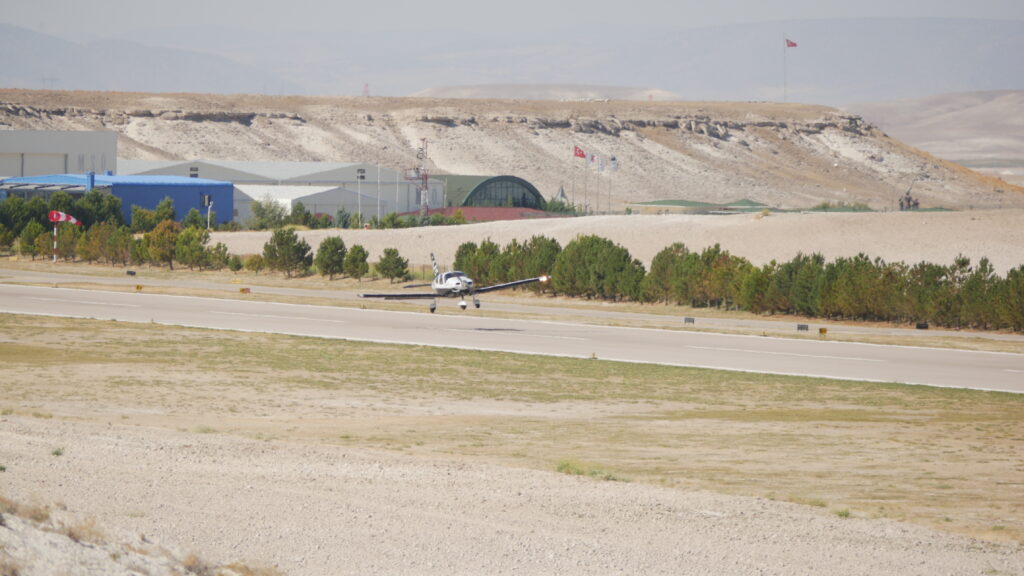
From an engineering perspective, this surface supports both static and dynamic aircraft loads. When an aircraft takes off, the paved stretch provides the necessary distance to achieve aerodynamic lift. As a result, pilots can safely rotate and lift off the ground. During landing, the surface friction allows the aircraft’s braking systems to dissipate forward kinetic energy efficiently.
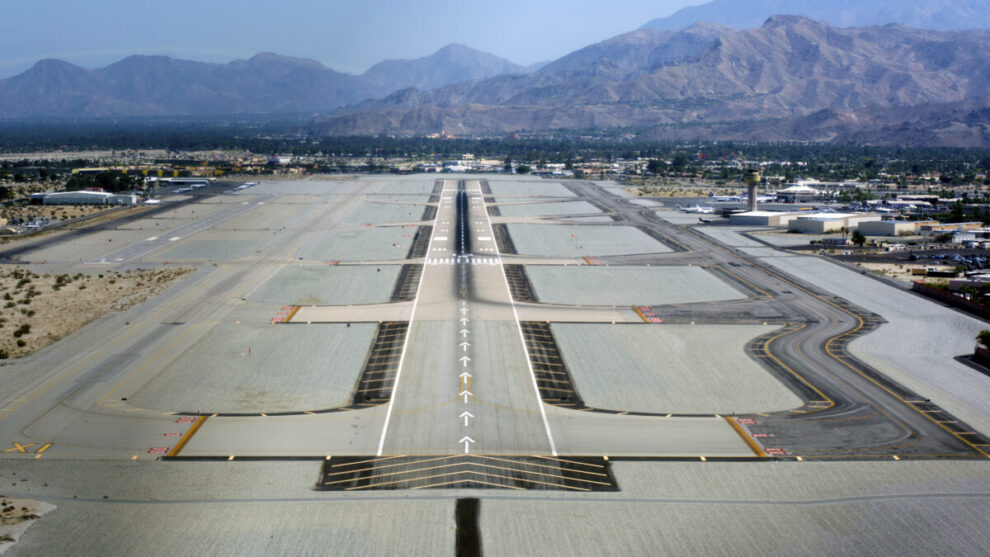
Additionally, visual markings and lighting systems guide pilots during all phases of ground movement. Painted lines indicate the centerline, touchdown zones, and holding points. Furthermore, specialized lighting equipment illuminates the edges and approach paths for nighttime or low-visibility operations. Consequently, these visual aids ensure precise aircraft alignment.
Engineers incorporate longitudinal and transverse slopes to improve drainage. This structural feature prevents water accumulation during heavy rainfall events. Therefore, it significantly mitigates the risk of tire hydroplaning. In contrast to standard highways, these aviation surfaces undergo strict friction testing to meet international safety standards.
Major Components
| Component | Function | Importance |
|---|---|---|
| Threshold | Marks the official beginning of the usable landing area | Ensures pilots touch down within safe structural limits |
| Centerline | Provides a continuous visual reference down the middle | Helps pilots maintain directional control during rollout |
| Touchdown Zone | Identifies the optimal area for initial ground contact | Prevents dangerous long landings on short fields |
| Aiming Point | Serves as a visual target for the aircraft glide path | Assists in executing a stabilized approach angle |
| Safety Area (RESA) | Provides a protected area beyond the runway end to reduce consequences of overruns. | Reduces aircraft damage during an overrun event |
Types of Runway
| Type | Characteristics | Common Use |
|---|---|---|
| Visual | Lacks instrument approach procedures; relies on painted markings | Small general aviation airports and daylight operations |
| Non-Precision | Features horizontal guidance navigation aids but lacks vertical guidance | Regional airports handling moderate traffic levels |
| Precision | Equipped with Instrument Landing Systems (ILS) for vertical and horizontal guidance | Major international hubs operating in all weather conditions |
| Unpaved | Constructed from dirt, grass, gravel, or ice | Remote locations, bush flying, and agricultural aviation |
Runway vs Taxiway vs Apron
| Area | Purpose |
|---|---|
| Runway | Takeoff and landing |
| Taxiway | Aircraft movement |
| Apron | Parking and servicing |
Why Is an Airport Runway Important in Aviation?
This infrastructure dictates the physical limitations of airport operations. First, the total length directly determines the maximum allowable weight for departing aircraft. Consequently, heavier commercial jets require longer distances to reach their required liftoff speeds. Furthermore, the structural pavement classification number (PCN) restricts operations based on aircraft tire pressure and landing gear configurations.
From a safety standpoint, standardized dimensions and markings prevent catastrophic ground accidents. For example, Air Traffic Control strictly monitors all vehicle and aircraft movements on these active surfaces. Therefore, establishing clear hold-short lines and runway incursion protocols remains a top regulatory priority. As a result, global aviation safety steadily improves.
Regulatory organizations like the FAA and ICAO strictly regulate construction and maintenance standards. They mandate routine friction testing, rubber removal, and obstacle clearance surveys. Additionally, engineers must consider local environmental factors, such as temperature variations and seismic activity, during the initial design phase.
Interesting Facts
- Airport authorities number these surfaces based on their magnetic compass heading rounded to the nearest ten degrees.
- Qamdo Bamda Airport in Tibet formerly held the record for the longest paved surface at 18,045 feet due to its high altitude.
- Aviation engineers often groove the pavement transversely to improve water drainage and increase tire grip.
- Parallel operational surfaces at the same airport receive ‘L’ (Left), ‘R’ (Right), or ‘C’ (Center) designations to prevent pilot confusion.
- The Space Shuttle landing facility at Kennedy Space Center utilizes a highly specialized concrete surface measuring 15,000 feet long.
Frequently Asked Questions (FAQ) – Airport Runway
What is a runway? It is a designated rectangular surface at an airport built specifically for aircraft takeoffs and landings.
How does an Airport Runway get its number? It receives a two-digit number between 01 and 36, which represents its magnetic heading relative to compass north. For example, a heading of 270 degrees becomes 27.
Why is a runway important? It provides the necessary distance and structural support for an aircraft to accelerate to flying speed or safely decelerate after touchdown.
What is the difference between a runway and a taxiway? Aircraft use the main surface strictly for taking off and landing. In contrast, taxiways serve as connecting routes for aircraft to travel between parking aprons and the active departure areas.
Key Takeaways
- A runway provides a designated, friction-tested surface for safe aircraft departures and arrivals.
- Engineers align the pavement with prevailing winds to optimize aerodynamic lift during takeoff.
- Visual markings and complex lighting systems ensure operational safety during low-visibility conditions.
- The length and pavement strength dictate which aircraft types can safely operate at a specific airport.
- Strict ICAO and FAA standards govern the construction, maintenance, and daily operations of this infrastructure.