






Last Updated: 5 days ago
Quick Definition
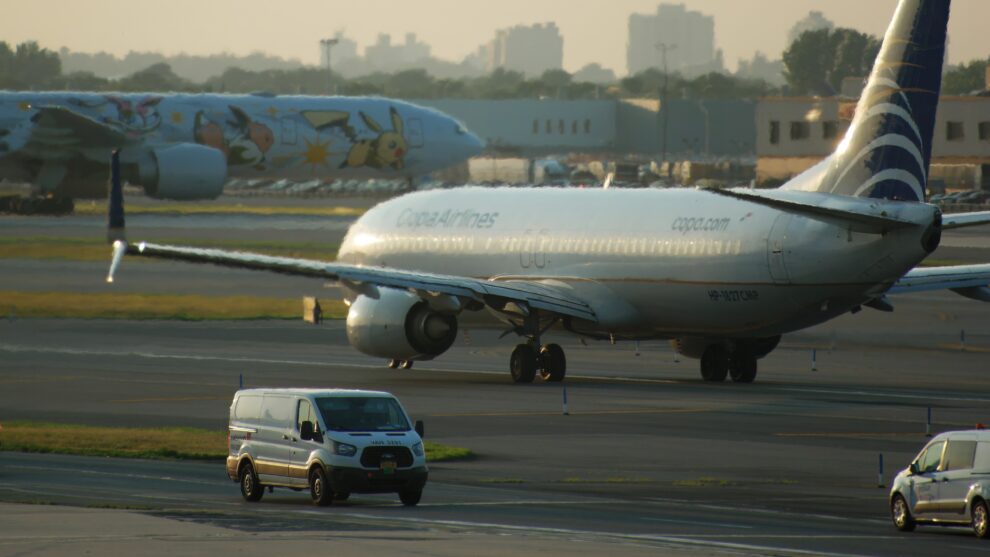
In aviation, a taxiway is a designated paved path at an airport connecting runways with aprons, hangars, and terminal facilities. Consequently, this critical infrastructure allows aircraft to move safely and efficiently across the ground. Air traffic control actively manages these routes to maintain organized surface movement. Therefore, they form the essential connective network for all airport ground operations.
How Does a Taxiway Work?
From an engineering perspective, this surface supports static and dynamic aircraft loads during ground operations. When an airplane lands, it exits the runway onto this designated path to reach the terminal. As a result, the active runway clears quickly for the next arriving or departing flight. Furthermore, civil engineers design these surfaces with specialized concrete or asphalt mixtures to handle concentrated structural loads.
Additionally, visual markings and lighting systems guide pilots during ground navigation. Painted yellow centerlines indicate the precise middle of the path. Runway holding position markings consist of two solid and two dashed yellow lines. Consequently, these visual cues prevent aircraft from accidentally entering active departure zones without ATC clearance.
During nighttime or low-visibility operations, specialized lighting systems become essential. Green lights illuminate the pavement centerline, while blue lights mark the outer edges. For example, Major airports may integrate A-SMGCS and stop-bar lighting to enhance low-visibility operations. In contrast to high-speed runways, these specific paths emphasize safe, controlled navigation over straight-line acceleration.
Major Components
| Component | Function | Importance |
|---|---|---|
| Centerline Markings | Guides the aircraft along the center of the path | Ensures adequate wingtip clearance from obstacles |
| Edge Lights | Emits blue light to mark the pavement boundaries | Enables safe ground navigation during nighttime operations |
| Holding Position Sign | Displays the intersecting runway designation | Prevents unauthorized runway incursions |
| Fillets | Widen the pavement at intersections and turns | Prevents the main landing gear from departing the paved surface |
| Shoulders | Provides a stabilized area adjacent to the main pavement | Prevents jet blast from causing soil erosion |
Types of Taxiway
| Type | Characteristics | Common Use |
|---|---|---|
| Parallel Taxiway | Runs parallel to runway | Allows aircraft to stage for takeoff without blocking the runway |
| Rapid Exit Taxiway | Exits runway at acute angle | Enables landing aircraft to vacate the runway at higher speeds |
| Bypass Taxiway | Routes around congested areas | Prevents traffic bottlenecks near busy terminal aprons |
| Apron Taxiway / Taxilane | Provides access to parking stands | Guides aircraft to their designated boarding gates |
Light Type
| Light Type | Color | Purpose |
|---|---|---|
| Edge Lights | Blue | Mark pavement edges |
| Centerline Lights | Green | Guide aircraft movement |
| Stop Bar Lights | Red | Prevent runway incursions |
Runway vs Taxiway vs Apron
Why Is a Taxiway Important in Aviation?
This infrastructure directly influences both the safety and capacity of any commercial airport. First, it completely separates slow-moving ground traffic from high-speed takeoff and landing operations. Therefore, it significantly reduces the risk of catastrophic runway incursions. Additionally, an efficient routing network allows an airport to process more flights per hour safely.
From an engineering standpoint, the structural design must withstand continuous, concentrated surface stress. Aircraft landing gear exerts significant pressure on the pavement during slow turns. As a result, airport maintenance teams conduct routine inspections to detect surface degradation or cracking. Furthermore, prompt pavement repairs prevent loose debris from causing costly engine damage.
Regulatory organizations like the FAA and ICAO strictly mandate the design standards for these surfaces. They specify exact mathematical requirements for curve radii, surface friction, and lighting spacing. Consequently, pilots experience a standardized operating environment at any international airport worldwide.
Interesting Facts
- Controllers designate these paths using alphanumeric characters, such as “Alpha,” “Bravo,” or “A1,” to facilitate clear radio communication.
- The letters “I” and “O” are rarely used for naming designations, as pilots might confuse them with the numbers one and zero.
- A rapid exit design allows modern commercial jets to leave the runway at speeds up to 50 knots (58 mph).
- Aviation engineers slope the pavement transversely at a slight angle to ensure proper water drainage during heavy rainfall.
Frequently Asked Questions (FAQ)
What is a taxiway? It is a designated paved path connecting different areas of an airport, allowing aircraft to travel safely between the runway and the terminal.
How does a taxiway differ from a runway? Aircraft use a runway specifically for high-speed takeoffs and landings. In contrast, they use the connecting paths strictly for slow-speed ground transportation.
Why is a taxiway important? It keeps the main runways clear of ground traffic, organizing airport operations and improving overall aviation safety.
How do pilots know which route to use? Air traffic controllers issue specific routing instructions over the radio. Subsequently, pilots follow standardized painted lines, signs, and lighting to navigate the assigned path.
Key Takeaways
- A taxiway is a vital airport path that connects runways, aprons, and hangars.
- Engineers use yellow painted lines and specialized lighting to guide pilots safely.
- Rapid exit designs improve airport efficiency by allowing landing aircraft to clear runways quickly.
- Strict FAA and ICAO standards govern the width, lighting, and load-bearing capacity of these surfaces.
- Routine maintenance prevents surface degradation and protects aircraft engines from debris.