






Last Updated: 2 months ago
About This Video
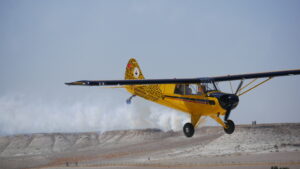
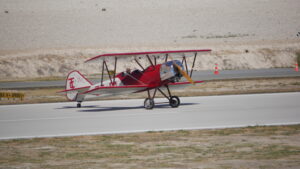
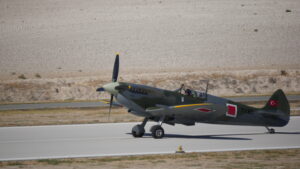
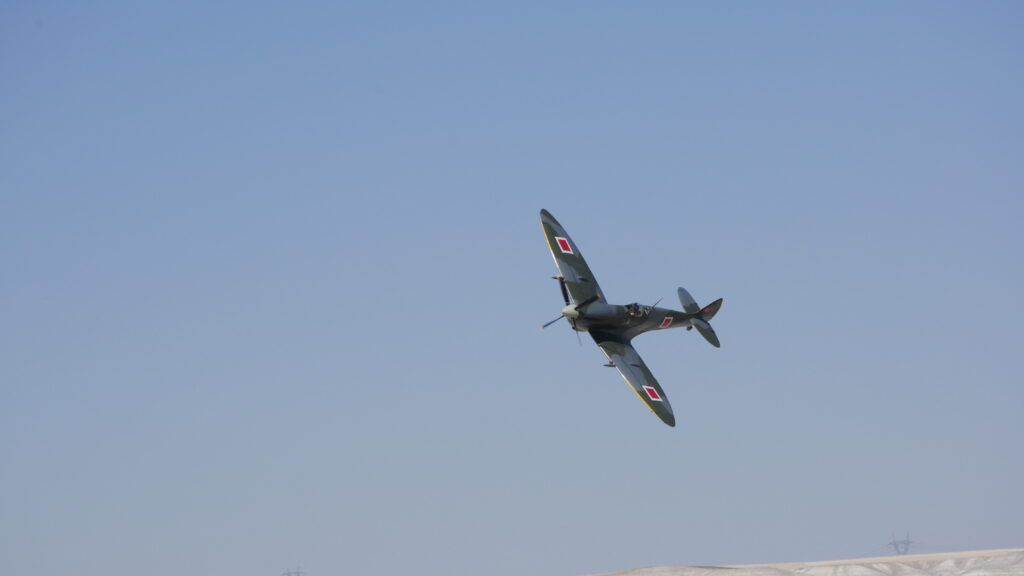
Why do commercial jets have wings on the bottom, while massive cargo planes have them on top? It’s not just a design choice—it’s pure physics. Commercial giants love the low-wing. This design gives the aircraft a low center of gravity and an upward "dihedral" angle for killer roll stability. Plus, as the plane touches down, it rides on a cushion of air called "Ground Effect" for those perfect butter landings. But for heavy cargo haulers and rugged bush planes, the high-wing rules the sky. The fuselage hangs below the wings, creating a super-stable "Pendulum Effect." The upper wing surface is completely uninterrupted for maximum lift, and the high-mounted engines are safe from sucking up rocks and dirt on rough runways. Low-wing for high-speed efficiency, high-wing for max lift and rough terrain. What's your pick? ✈️ TheAeroGraphyOfficial — aviation engineering, aerodynamics, and real flight science explained.
✈️ Subscribe to AviationStream on YouTube for the latest aviation videos.