EASA Cuts ATR De-Icing Valve Check Intervals to as Little as 160 Hours
EASA AD 2026-0219 orders ATR 42 and ATR 72 operators to check de-icing pressure valves every 160 to 210 flight hours from 30 November 2026.
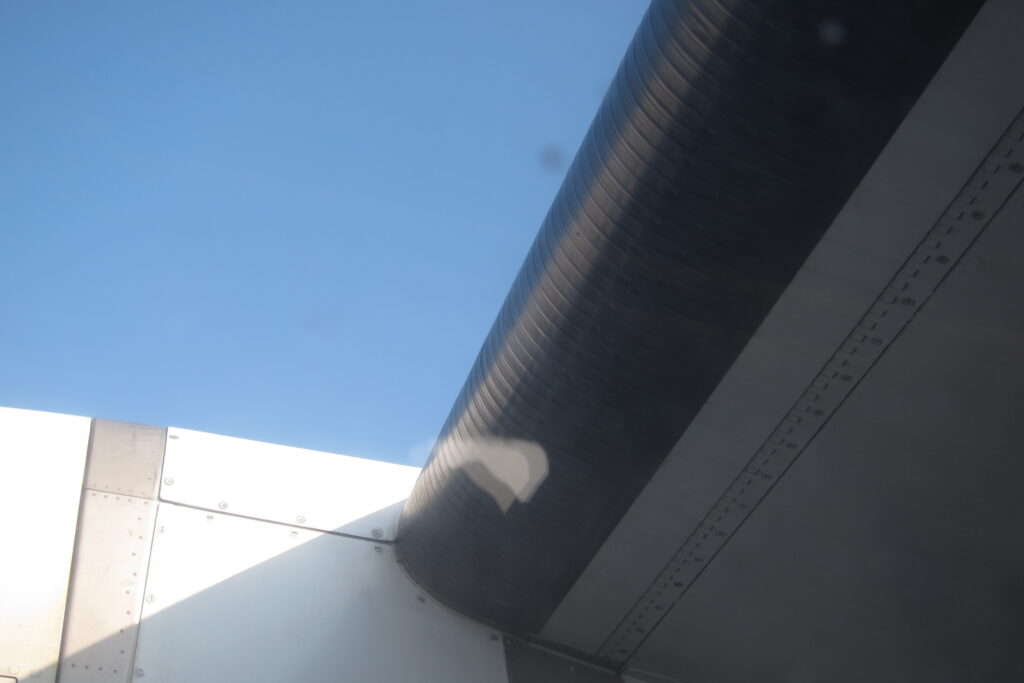
The European Union Aviation Safety Agency (EASA) has ordered operators of ATR de-icing systems on the ATR 42 and ATR 72 turboprops to check a key valve much more often. Airworthiness Directive 2026-0219, issued on 16 November 2026, takes effect on 30 November and cuts the interval between functional checks of the de-icing system’s pressure regulator and shut-off valves (PRSOVs) to between 160 and 210 flight hours, depending on the aircraft.
Clarification, 17 November 2026: the groups below now also name the in-service Service Bulletins (SB ATR42-30-0075 and SB ATR72-30-1046) that place an aircraft in the modified group, and the transition rule follows Table 1 of the directive.
What the directive says
ATR aircraft use rubber de-icing boots on the leading edges of the wings and tail. In icing conditions the boots inflate with air from the engines, cracking off the ice that builds up on them. The PRSOVs regulate the pressure of that air and shut it off.
According to EASA, a design review found that the check interval in ATR’s maintenance instructions had to be reduced because a valve could fail without anyone noticing, a so-called dormant failure. The directive warns that such a failure, “if not detected and corrected, and combined with icing conditions, could ultimately result in loss of control of the aeroplane.”
EASA first required repeated checks in AD 2025-0011 of January 2025. The new directive replaces it after the valve supplier’s updated failure modes and effects analysis showed that the checks must be even more frequent. ATR revised its instructions, Airworthiness Operators Message 2024/12, to Issue 6 on 26 October 2026.
New check intervals
- Group 1, ATR 42-200, -300 and -320: every 190 flight hours (previously up to 650)
- Group 2, ATR 42-400/-500 and ATR 72 without the modification: every 210 flight hours (previously up to 700). These are aircraft that have neither ATR modification 06076 from production nor the in-service equivalent, Service Bulletin ATR42-30-0075 (ATR 42) or ATR72-30-1046 (ATR 72).
- Group 3, ATR 42-400/-500 and ATR 72 with the modification: every 160 flight hours (previously up to 1,050). This covers aircraft with modification 06076 embodied in production or with SB ATR42-30-0075 or SB ATR72-30-1046 embodied in service.
Table 1 of the directive also sets the transition. For each group, the next check is due at whichever of two limits comes later: (A) the new interval counted from the last check, or (B) 100 flight hours after 30 November 2026, but never more than the old maximum interval (650, 700 or 1,050 flight hours) since the last check. Operators should work from the full text of AD 2026-0219. If a check finds a fault, it must be fixed before the next flight. The AD covers every ATR 42 and ATR 72 model, including the current ATR 72-600.
Why it matters
Ice on a wing’s leading edge changes its shape, adds drag and lowers the angle of attack at which the wing stalls. Turboprops such as the ATR spend much of their time at the lower altitudes where icing is most common, so the de-icing system has to work every time it is switched on. The directive does not refer to any accident. Icing protection on the ATR family has, however, been under close attention since the August 2024 crash of Voepass Flight 2283, an ATR 72-500, in Brazil; Brazil’s investigation agency CENIPA published its final report in July 2026.
EASA issued the AD as a final rule with a request for comments, which can be sent until 14 December 2026.
Start the discussion
Commenting on this story: EASA Cuts ATR De-Icing Valve Check Intervals to as Little as 160 Hours