







Last Updated: 4 months ago
Quick Definition
In aviation, the leading edge is the very front part of an aircraft wing, tail, or propeller blade. When a plane flies forward, this is the first surface that meets the oncoming air. Consequently, it plays a massive role in how the airplane handles, how fast it can fly, and how safely it can land.
How Does a Leading Edge Work?
First, think of this part as the blade of a knife cutting through a block of wind. The physical shape of the front edge splits the oncoming air. Some air goes over the top of the wing, while the rest goes under the bottom. Because the leading edge guides the airflow around the airfoil, it helps establish the pressure distribution and airflow patterns required for lift generation.
Furthermore, engineers use this front area to attach moving safety parts. On modern jets, builders install devices called “slats” on the front of the wing. When a pilot wants to fly slowly for landing, they push a lever to extend these slats forward. Consequently, the slats create a small gap. This gap guides high-energy air over the top of the wing. Therefore, the plane can fly much slower without losing lift and falling out of the sky.
Finally, this part of the plane faces the harshest weather. When planes fly through cold clouds, ice loves to stick to the front of the wing. If ice builds up, it disrupts the smooth airflow over the wing. As a result, lift decreases while drag increases, potentially leading to an aerodynamic stall. To stop this, designers hide powerful heaters and rubber ice-breakers inside the front edge.
Leading Edge Radius
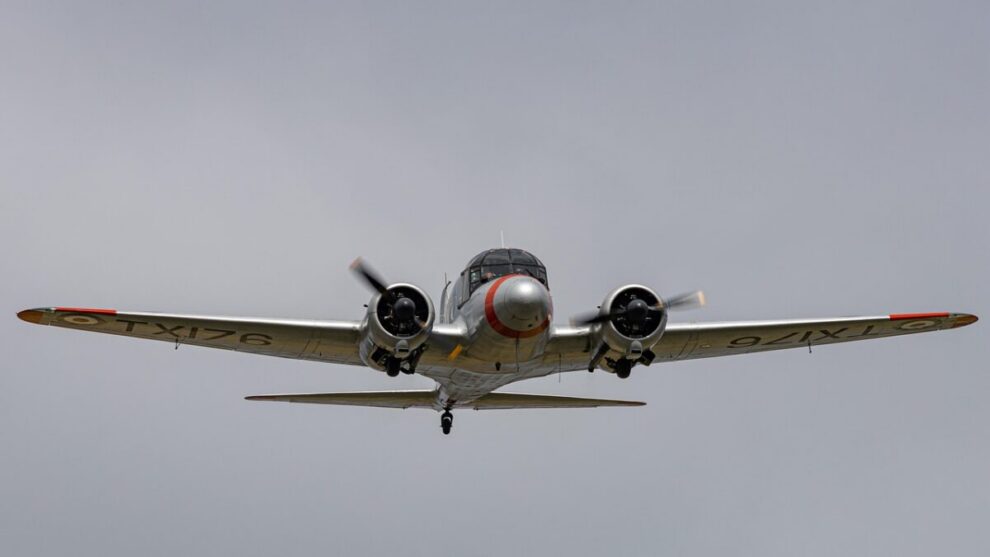
Engineers carefully design the leading-edge radius. A larger, rounder leading edge generally improves low-speed handling and stall characteristics, while a sharper leading edge is often preferred for high-speed and supersonic aircraft.
Major Components and Systems
| Component | Function | Importance |
|---|---|---|
| Slats | Movable panels that slide forward and down | Helps the plane fly safely at very slow speeds |
| Anti-Ice Pipes | Hot air tubes hidden inside the metal skin | Melts snow and stops dangerous ice from sticking |
| De-Icing Boots | Rubber strips that fill with air and pop open | Cracks and blows away thick ice during winter flights |
| Stall Strips | Small, sharp metal triangles attached to the front | Forces airflow separation to begin at a predictable location, improving stall characteristics and warning cues. |
| Krueger Flaps | Flat panels that fold out from under the front wing | Increases the total curve of the wing for extra lift |
Types of Leading Edge Shapes
| Shape Type | Characteristics | Common Use |
|---|---|---|
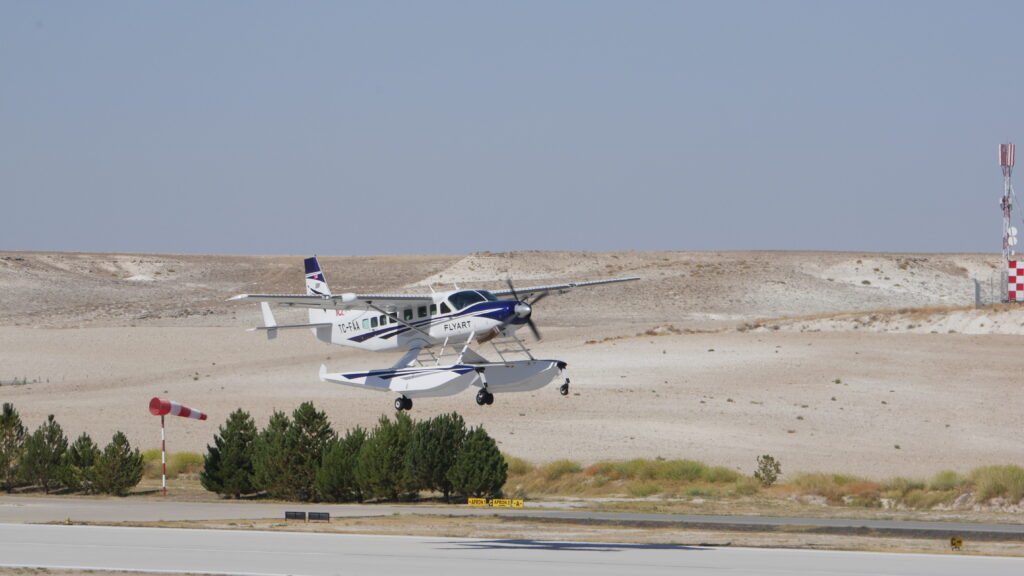
| Straight (Rectangular) | Meets the air head-on at a 90-degree angle | Slow general aviation planes and training aircraft |
| Swept Back | Angles backward toward the tail to cut air faster | Modern commercial passenger jets (e.g., Boeing 737) |
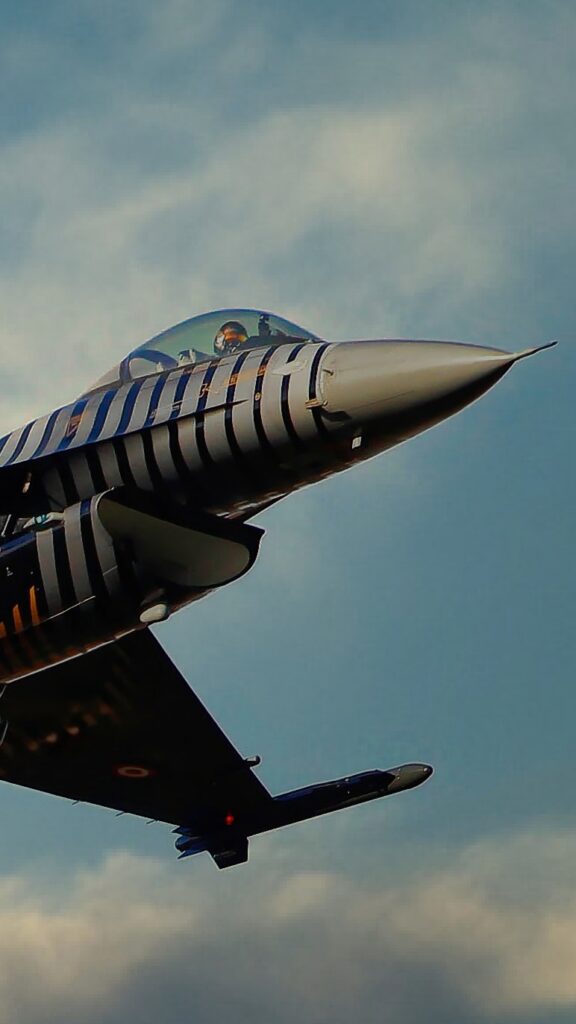
| Delta (Triangle) | Highly swept triangular planform optimized for high-speed and supersonic flight. | Supersonic fighters and high-speed military jets |
Why Is the Leading Edge Important in Aviation?
This specific part of the wing dictates the overall safety of the flight. First, it completely controls how the plane handles near the ground. Without slats and a properly shaped front wing, heavy airliners would have to land at dangerously high speeds. By using these front moving parts, pilots can slow down and use shorter runways.
Additionally, bird strikes happen here very often. Because this part hits the air first, it also hits flying birds first. Therefore, engineers build this front section with extra strength. They must protect critical structural components such as wing spars, flight-control systems, and fuel-carrying wing structures. As a result, a strong front edge prevents a bird strike from turning into a fuel leak.
Furthermore, managing ice on this surface is a matter of life and death. If the smooth front shape turns bumpy with ice, the air separates from the wing. Consequently, the plane suffers an aerodynamic stall. Therefore, airlines train pilots heavily on how to use the front wing heaters. They turn these heaters on the moment they enter wet, freezing clouds.
Interesting Facts
- The Space Shuttle featured reinforced carbon-carbon panels on its front wings. These panels protected the spacecraft from temperatures reaching 3,000°F during reentry into the Earth’s atmosphere.
- Owls have special, soft feathers on the front of their wings that break up the air and let them fly in total silence. Today, aircraft engineers study owl wings to design quieter airplanes.
- Thick, round front edges work best for slow airplanes because they guide the air gently.
- Sharp, knife-like front edges work best for supersonic jets because they easily slice through shockwaves.
- The opposite side of the wing, where the air leaves, is called the “Trailing Edge.”
Frequently Asked Questions (FAQ)
What is the leading edge of a wing? It is the very front edge of the wing. It is the first part of the airplane that touches the air as the plane moves forward.
What do slats do on an airplane? Slats slide out from the front of the wing to make it bigger and more curved. As a result, they help the plane fly safely at slow speeds, especially during takeoff and landing.
Why do pilots heat the front of the wings? They heat the front to stop ice from forming. Ice ruins the smooth shape of the wing. If the shape breaks, the wing loses its lifting power.
What is the difference between leading and trailing edges? The leading edge sits at the front and cuts into the air. Conversely, the trailing edge sits at the very back of the wing where the air slips away.
Key Takeaways
- First, the leading edge is the very front surface of an aircraft wing.
- Second, it splits the air to start the process of aerodynamic lift.
- Furthermore, engineers put moving slats here to help heavy planes fly slowly and safely.
- Also, builders hide hot pipes and rubber boots in this area to fight dangerous ice buildup.
- Finally, the shape ranges from thick and round for slow planes to sharp and swept-back for fast jets.
AUTHORITATIVE REFERENCES
- Federal Aviation Administration (FAA) – Pilot’s Handbook of Aeronautical Knowledge (FAA-H-8083-25B), Chapter 4: Principles of Flight.
- European Union Aviation Safety Agency (EASA) – Certification Specifications for Large Aeroplanes (CS-25).