Stall and Stall Speed Explained: Why a Wing Stops Lifting
A stall is a loss of lift that happens when the wing meets the air at too steep an angle, not because the engine stops. Stall speed is the lowest speed at which the aircraft can keep flying in a given configuration.
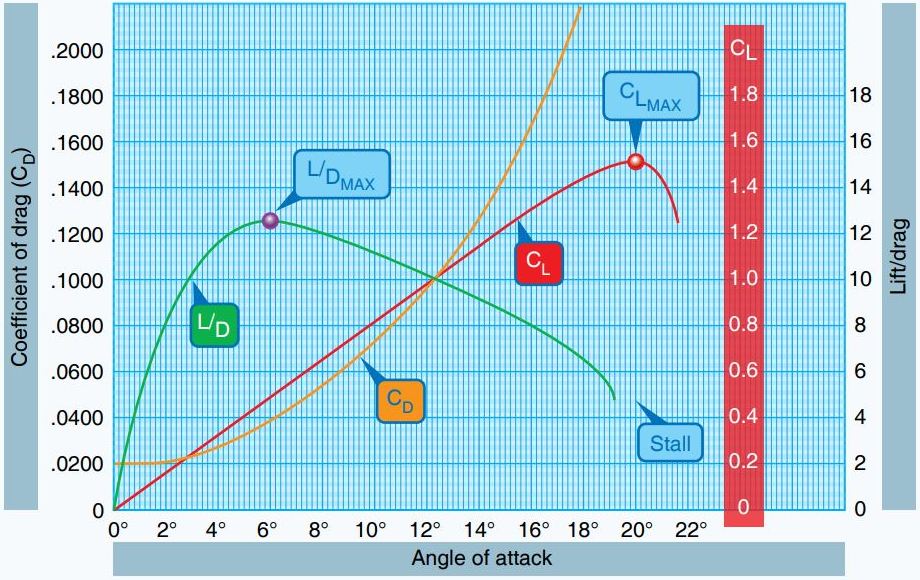
A stall is a sudden loss of lift that happens when a wing exceeds its critical angle of attack, usually around 15 to 20 degrees. The airflow can no longer follow the upper surface and separates from it. Stall speed is the speed at which this happens in straight and level flight for a given weight and configuration. In aviation, a stall has nothing to do with the engine stopping.
How a stall happens
A wing produces more lift as its angle of attack increases, up to a point. Beyond the critical angle, the air flowing over the top of the wing breaks away, lift falls sharply and drag rises. The aircraft starts to sink, and the nose may drop. Warning signs include buffeting, a stall warning horn or stick shaker, and soft, less effective controls.
Because the stall depends on angle of attack, an aircraft can stall at any speed and in any attitude. In a steep turn or a sharp pull-up, the wing must carry more load, the angle of attack increases, and the stall speed rises.
What changes stall speed
Stall speed is higher when the aircraft is heavier, when it is turning or pulling up (a higher load factor), and when ice or contamination spoils the wing. It is lower when flaps and slats are extended. Pilots’ handbooks list several stall speeds: VS0 is the stall speed in the landing configuration and VS1 in a specified configuration such as flaps up. Approach and take-off speeds are set with a margin above them.
How pilots recover
The key to recovery is to reduce the angle of attack: lower the nose, level the wings and then add power as needed. Pulling back on the controls in a stall makes it worse. Airliners have stall protection, such as stick shakers, stick pushers or fly-by-wire envelope limits, and pilots train in stall recognition and recovery in simulators. Small devices such as stall strips make the wing root stall before the tips, which keeps the ailerons working.
Why it matters
Loss of control after a stall is one of the leading causes of fatal accidents in general aviation, and stall training is a core part of every pilot’s licence.
Frequently Asked Questions
Does a stall mean the engine stopped? No. An aerodynamic stall is a loss of lift on the wing.
Can an aircraft stall at high speed? Yes, if the angle of attack exceeds the critical angle, for example in a steep turn.
How do you recover from a stall? Reduce the angle of attack, level the wings and add power.
References
- FAA Airplane Flying Handbook (FAA-H-8083-3), chapter on slow flight, stalls and spins
- FAA Pilot’s Handbook of Aeronautical Knowledge (FAA-H-8083-25), chapters 5 (Aerodynamics of Flight) and 6 (Flight Controls)
Start the discussion
Commenting on this term: Stall and Stall Speed Explained: Why a Wing Stops Lifting