







Last Updated: 4 months ago
What happens when you try to fly a machine that weighs 600 tons? For many aviation fans, the massive cargo planes of Antonov represent pure engineering magic. People often look at this flying building and wonder how it stays in the sky. The secret lies in a perfect mix of raw power and clever structural design. Let’s explore the fascinating world of Antonov An-225 aerodynamics and how pilots steer this absolute giant.
The Magic of Antonov An-225 Aerodynamics
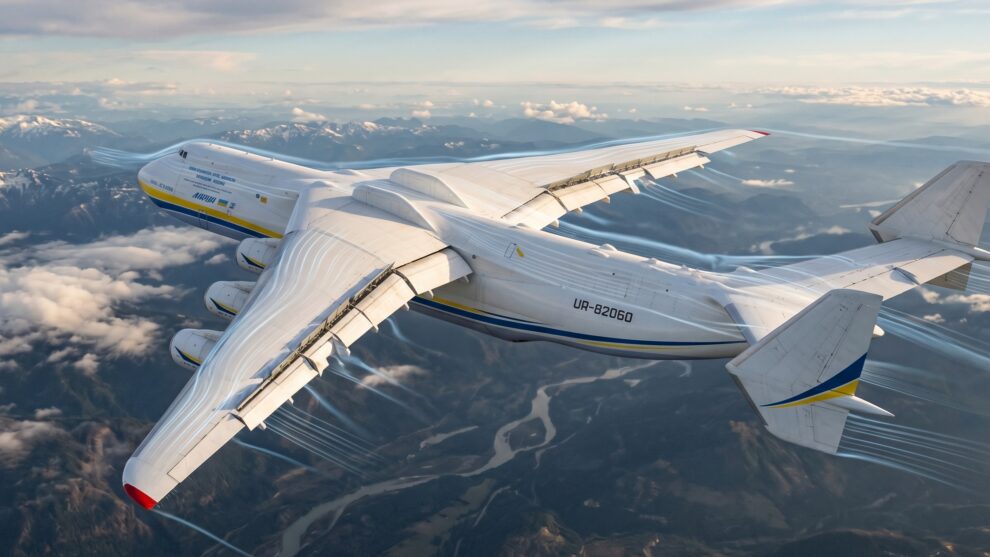
First, you must understand how lift works on a massive scale. Engineers did not just build a bigger plane; they designed a highly specialized wing. The aircraft features a massive wingspan that cuts through the air perfectly. This clever wing shape creates immense lifting force.
If you study Antonov An-225 aerodynamics, you will see that the wings spread the heavy cargo weight evenly. This prevents the metal structure from snapping during a flight. The wings flex beautifully in the wind, absorbing the stress of the massive weight.
Steering the Giant: Heavy Flight Control Systems
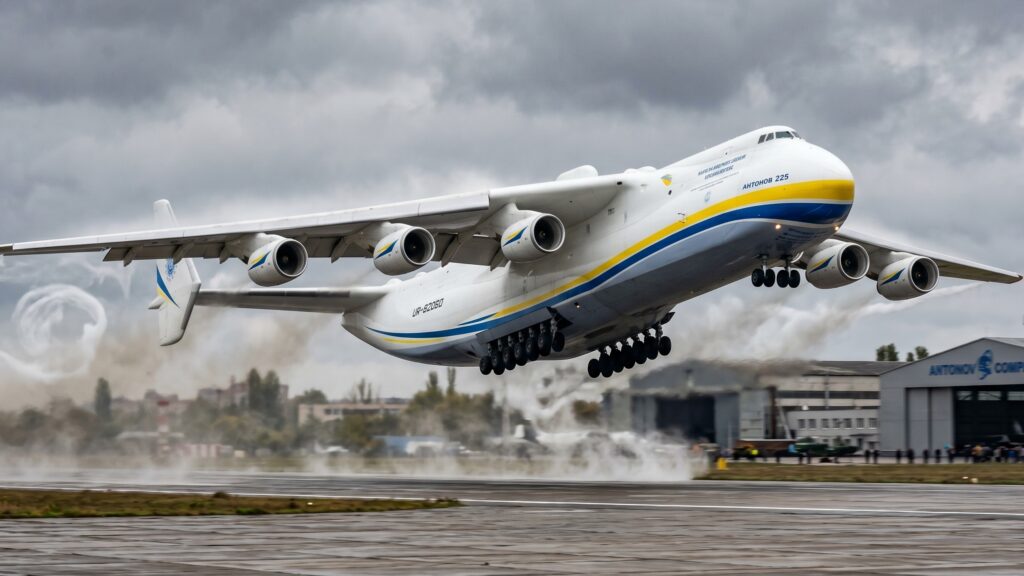
Next, how do pilots steer this flying giant? Moving massive wing flaps requires extreme physical force. Unlike modern fly-by-wire systems, this older giant relies on heavy mechanical cables and massive hydraulic systems.
When the pilot pulls the steering column, powerful hydraulic fluids push the massive wing flaps. Furthermore, the engineers gave the plane a unique twin-tail design. This split tail allows the plane to carry massive space shuttles on its back without blocking the vital airflow over the steering controls.
Pushing the Wind: Why Antonov An-225 Aerodynamics Need Six Engines
Finally, incredible wings alone cannot keep the plane flying. The massive metal body creates a lot of air resistance, or drag. Therefore, engineers installed six massive jet engines.
These engines provide the raw thrust needed to push the 600-ton giant forward. The perfect balance between extreme engine thrust and brilliant structural design allows the plane to fly smoothly. It is a perfect example of managing drag and thrust on a massive scale.
Conclusion: A Masterpiece of Engineering
In short, flying a 600-ton machine is not a miracle. It is the result of brilliant math and heavy machinery. The heavy flight controls and Antonov An-225 aerodynamics work together perfectly. The next time you see a picture of this giant, remember the incredible engineering that made it fly.
Frequently Asked Questions (FAQs)
Did the Antonov An-225 use smart computer steering? No. It mainly used traditional mechanical cables and powerful hydraulic systems to move the massive flight controls, rather than modern digital computers.
Why does the plane have two tail fins? The twin-tail design allows the aircraft to carry huge cargo on its roof. A normal single tail would lose steering power because the roof cargo blocks the wind.
How much cargo could the giant plane carry? The giant plane could easily carry over 250 tons of internal cargo. This massive capacity made it the heaviest aircraft ever built in aviation history.
Did you know AviationStream.com has a YouTube channel? Check out TheAeroGraphyOfficial and subscribe to watch fun, highly engaging aviation Shorts!