




Last Updated: 3 days ago
What happens when a passenger opens a laptop in seat 12B and connects to the flight Wi-Fi? A chilling question immediately crosses their mind: can airplanes be hacked? Thanks to Hollywood movies, people fear a hacker might take over the steering using a smartphone. This mix of modern digital threats and massive jets creates pure panic. However, aviation engineering uses strict separation rules. Let’s separate the scary myths from the real facts of digital safety in the sky.
Avionics Separation: Can Airplanes Be Hacked Through Wi-Fi?
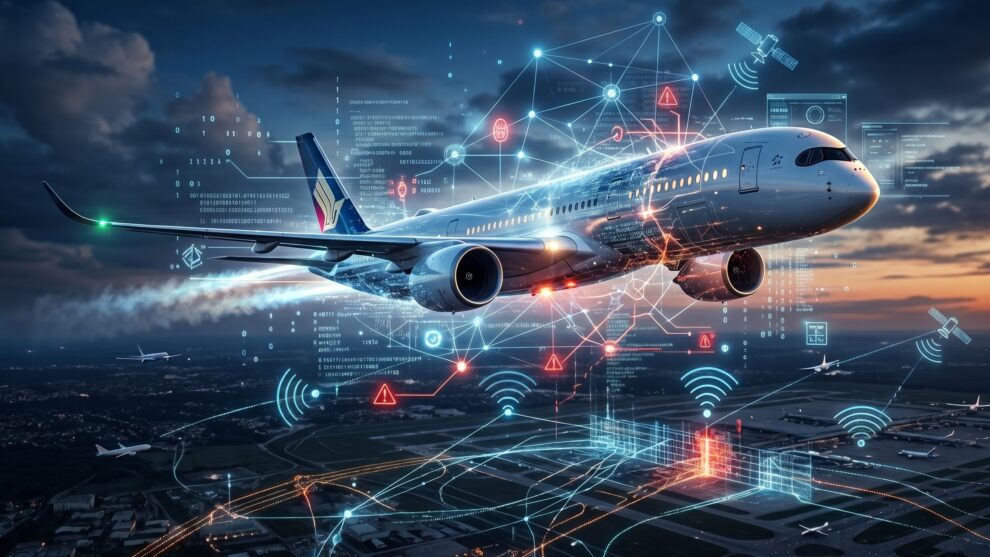
First, you must understand how engineers build modern aircraft networks. When you connect to the passenger Wi-Fi to watch a movie, you do not enter the brain of the aircraft. Engineers use a strict safety rule called “air-gapping.”
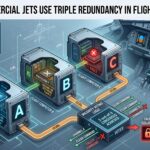
Basically, physical walls and digital rules separate the passenger network from the secure flight computers. Even if a master hacker completely destroys the passenger Wi-Fi, they cannot cross over to the flight systems. If you understand how airlines guard aircraft autopilot systems, you know that steering commands do not share cables with passenger internet routers.

Understanding ADS-B Weak Spots
So, if the steering wheel is safe, are there any real weak spots? Yes, but they involve radio signals, not steering control. Modern planes broadcast their GPS location, altitude, and speed using a system called [ADS-B].
The flaw here is that ADS-B signals lack strict encryption. Therefore, a hacker on the ground with a radio transmitter could theoretically trick or jam these signals. They could create “ghost planes” on air traffic radar screens or flight tracking apps. While this creates confusion for air traffic controllers, it gives the hacker zero physical control over the aircraft itself.
Real Risk vs. Urban Myth: So, Can Airplanes Be Hacked?
Ultimately, we must define the real threat. The urban myth suggests that asking “can airplanes be hacked?” means someone can remotely turn off the engines mid-flight. This is pure fiction. The physical flight controls remain totally secure.
The real risk lies on the ground. Digital safety experts worry much more about hackers breaking into airline ticket databases, airport bag sorting software, or ground dispatch computers. A successful digital attack in aviation will likely delay thousands of flights and cost airlines a lot of money. It will not crash a plane in the sky.
Conclusion: Fiction vs. Engineering
In short, the fear of airborne digital attacks is normal but wrong. While radio systems like ADS-B have known weak spots, hardware separation heavily protects the physical flight controls. The next time you log into the flight Wi-Fi, you can relax. Aviation engineers have already locked the digital doors to the cockpit.
Frequently Asked Questions (FAQs)
Has a cybercriminal ever hacked and crashed a commercial airplane? No. Cybercriminals have never hacked or crashed a commercial airliner during a flight.
Can someone hack the pilot’s headsets? While ground transmitters can jam or interrupt open radio signals with static noise, pilots have multiple backup ways to talk to Air Traffic Control securely.
Why do airlines leave the ADS-B location signals open? Aviation relies on global standards. Setting up a worldwide secure key system that every country, airline, and pilot can use at the same time is a huge puzzle. The industry is still trying to solve it.
Did you knowAviationStream.com has a YouTube channel? Check out TheAeroGraphyOfficial and subscribe to watch fun, highly engaging aviation Shorts!