







| General Characteristics | |
| Type | Military Aircraft, Special-Purpose Aircraft |
|---|---|
| National Origin | United States |
| Manufacturer | Boeing |
| Variants | Boeing C-135 Stratolifter, Boeing NC-135 |
| Status | In service |
| First Flight | 31 August 1956 |
| Introduction | June 1957 |
| Primary Users | United States Air Force Turkish Air Force Republic of Singapore Air Force |
| Number Built | 803 |
| Developed From | Boeing 367-80 |
| Capacity & Dimensions | |
| Cockpit Crew | 3 (pilot, co-pilot and boom operator; some KC-135 missions require the addition of a navigator.) |
| Max Seating | up to 80 passengers / 83,000 lb (38,000 kg) or 6 463L pallets |
| Overall Length | 136 ft 3 in (41.53 m) |
| Wing Span | 130 ft 10 in (39.88 m) |
| Wing Area | 2,433 sq ft (226.0 sq m) |
| Overall Height | 41 ft 8 in (12.70 m) |
| Weights, Powerplant & Performance | |
| MTOW | 322,500 lb (146,284 kg) |
| Typical Cruise Speed | 460 kn (530 mph, 850 km/h) at 30,000 ft (9,100 m) |
| Max. Speed | 504 kn (580 mph, 933 km/h) |
| Range | 1,300 nmi (1,500 mi, 2,400 km) with 150,000 lb (68,039 kg) of transferable fuel |
| Service Ceiling | 50,000 ft (15,000 m) |
The Boeing KC-135 Stratotanker is one of the most important aerial refueling aircraft in military aviation history. Boeing developed the aircraft during the 1950s to give the United States Air Force a jet-powered tanker that could support faster jet bombers and fighters. As a result, the KC-135 became a key part of global air mobility.
The aircraft mainly performs aerial refueling, but it can also carry passengers, cargo and medical evacuation equipment. Therefore, it supports more than one mission type. It can extend the range of combat aircraft, move personnel and equipment, and support long-distance military operations.
The Boeing KC-135 Stratotanker first flew on August 31, 1956. The first production aircraft later entered service in 1957, and the type became the backbone of U.S. Air Force tanker operations for decades. Although newer aircraft such as the KC-46 Pegasus now support tanker modernization, the KC-135 still remains one of the most recognizable refueling aircraft in service.
Boeing KC-135 Stratotanker General Characteristics
| Feature | Specification |
|---|---|
| Aircraft Type | Jet-powered aerial refueling tanker and airlift aircraft |
| Main Category | Military Aircraft |
| Additional Category | Special-Purpose Aircraft |
| Manufacturer | Boeing |
| National Origin | United States |
| First Flight | August 31, 1956 |
| Introduction | 1957 |
| Primary Role | Aerial refueling and airlift |
| Crew | Three: pilot, co-pilot and boom operator |
| Developed From | Boeing 367-80 / Dash 80 design lineage |
| Status | In service with upgrades |
The aircraft grew from Boeing’s 367-80 jet transport demonstrator, which also influenced the Boeing 707 airliner. However, the KC-135 is not simply a standard 707 with military equipment. It has its own structure, mission systems and tanker configuration.
KC-135 Mission and Refueling Role
The KC-135 gives receiver aircraft more range and endurance by transferring fuel in flight. This capability allows fighters, bombers, transports and allied aircraft to fly longer missions without landing for fuel. Consequently, tanker aircraft like the KC-135 play a major role in global military reach.
The aircraft uses a flying boom as its primary fuel transfer system. A boom operator controls this system from the rear of the aircraft and guides the boom into the receiver aircraft’s refueling receptacle. In addition, some KC-135 aircraft can use drogue equipment for probe-equipped aircraft.
This refueling role requires precise flying from both aircraft. The tanker must maintain stable speed and altitude, while the receiver aircraft carefully holds position behind the tanker. Because of this, aerial refueling remains one of the most demanding and impressive military aviation operations.
Boeing KC-135 Stratotanker Dimensions
| Feature | Specification |
|---|---|
| Wingspan | 130 ft 10 in / 39.88 m |
| Length | 136 ft 3 in / 41.53 m |
| Height | 41 ft 8 in / 12.7 m |
| Wing Design | 35-degree swept wing |
| Engine Layout | Four underwing engines |
| Landing Gear | Multi-wheel tricycle landing gear |
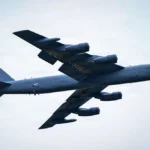
The aircraft has a classic early jet-age tanker appearance. Its swept wings, four underwing engines and long fuselage give it a shape that clearly connects it with 1950s Boeing jet transport design. However, its refueling systems and military mission equipment make it very different from a commercial airliner.
Engines and Performance
The modern KC-135R uses four CFM International CFM56 turbofan engines. These engines gave the aircraft a major performance and efficiency improvement compared with the older KC-135A. In addition, the re-engined version became quieter and more fuel efficient.
| Feature | Specification |
|---|---|
| Engines | 4 × CFM International CFM56 turbofan engines |
| Thrust | 21,634 lb per engine |
| Maximum Takeoff Weight | 322,500 lb / 146,285 kg |
| Speed | 530 mph at 30,000 ft |
| Service Ceiling | 50,000 ft / 15,240 m |
| Ferry Range | Up to 11,015 miles / 17,766 km |
| Mission Range | About 1,500 miles with 150,000 lb transfer fuel |
The Boeing KC-135 Stratotanker can operate at high altitude and support long-distance missions. Moreover, the CFM56 engine upgrade helped the KC-135R offload more fuel, reduce operating costs and improve mission reliability. This upgrade became one of the most important modernization steps in the aircraft’s long service life.
Fuel, Cargo and Airlift Capability
| Feature | Specification |
|---|---|
| Maximum Transfer Fuel Load | 200,000 lb / 90,719 kg |
| Maximum Cargo Capability | 83,000 lb / 37,648 kg |
| Passenger Capability | Up to 37 passengers with cargo configuration |
| Pallet Positions | 6 |
| Aeromedical Role | Patient transport with medical support pallets |
Although the KC-135 is best known as a tanker, it can also perform airlift missions. The cargo deck above the refueling system can carry passengers and cargo, depending on mission requirements. Therefore, the aircraft adds flexibility to military air mobility operations.
The aircraft can also support aeromedical evacuation. In this role, medical crews and patient support pallets allow the aircraft to transport injured or ill personnel. This capability makes the KC-135 more than a fuel tanker; it also becomes a useful support aircraft during military and humanitarian operations.
Why the KC-135 Became Important
The KC-135 became important because jet aircraft needed a tanker that could match their speed and altitude better than older propeller-driven tankers. Earlier aircraft such as the KC-97 performed valuable work, but modern jet bombers and fighters needed a faster refueling platform.
Therefore, the KC-135 changed aerial refueling operations. It allowed U.S. and allied aircraft to fly longer missions, cross oceans, remain on station longer and support global deployments. In addition, its long production and upgrade history helped it remain useful for many decades.
The aircraft also influenced later tanker design. Its flying boom system, jet-powered performance and global mobility role shaped how air forces planned long-range operations. As a result, the KC-135 became one of the most important support aircraft of the Cold War and post-Cold War eras.
Variants and Modernization
The original KC-135A used older turbojet engines. Later, the KC-135E received TF33 engines, while the KC-135R and KC-135T gained CFM56 turbofan engines. These upgrades improved fuel efficiency, noise levels and fuel offload capability.
In addition, the aircraft received avionics, communication, navigation and surveillance upgrades over time. These improvements helped the KC-135 continue operating in modern controlled airspace and demanding military environments.
The KC-135 family also shares a broader lineage with special mission aircraft such as the RC-135 reconnaissance platforms and other C-135 variants. However, the Stratotanker itself remains most closely associated with aerial refueling.
Operational Legacy
The Boeing KC-135 Stratotanker has supported U.S. Air Force operations for more than six decades. It helped extend the reach of bombers, fighters, cargo aircraft and allied military aircraft. Meanwhile, its adaptability allowed it to remain relevant through major changes in aviation technology.
Although the aircraft comes from the 1950s, continuous upgrades kept it operational. Its long service life shows the strength of the original Boeing design and the importance of aerial refueling in modern military strategy.
Today, the KC-135 remains a symbol of global air mobility. It may not attract the same attention as fighters or bombers, yet many long-range missions depend on tanker support. Without aircraft like the KC-135, many combat and transport aircraft would have far less reach.
Frequently Asked Questions
What is the Boeing KC-135 Stratotanker used for?
The aircraft mainly performs aerial refueling. It can also carry cargo, passengers and medical evacuation equipment.
How many engines does the KC-135R use?
The KC-135R uses four CFM International CFM56 turbofan engines.
How much fuel can the aircraft transfer?
The aircraft can transfer up to about 200,000 lb of fuel, depending on mission conditions and configuration.
How many crew members operate the KC-135?
The basic crew includes three people: pilot, co-pilot and boom operator. Some missions may add a navigator or medical crew.
Is the KC-135 still in service?
Yes. The aircraft remains in service with upgrades, although newer tankers such as the KC-46 Pegasus support fleet modernization.
Boeing KC-135 Stratotanker Summary
The Boeing KC-135 Stratotanker is a four-engine military aerial refueling aircraft with a major place in aviation history. It supports global reach by refueling aircraft in flight, carrying cargo and assisting aeromedical evacuation missions. With its CFM56-powered KC-135R version, large fuel transfer capability and long service record, the KC-135 remains one of the most important tanker aircraft ever built.
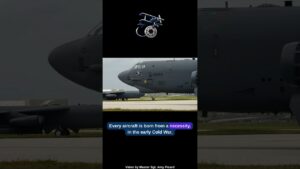
Did you knowAviationStream.com has a YouTube channel? Check out TheAeroGraphyOfficial and subscribe to watch fun, highly engaging aviation Shorts!