



Last Updated: 4 days ago
Initially, the idea of boarding a commercial plane without a human pilot sounds terrifying. Specifically, many passengers trust human judgment over computer algorithms during emergencies. However, the aviation industry is rapidly moving toward fully autonomous flight. Indeed, an AI piloted aircraft might become a reality much sooner than you think.
Which Companies Are Developing Autonomous Flights?
Currently, major aerospace giants are investing billions into autonomous technology. For example, Airbus successfully tested its ATTOL (Autonomous Taxi, Take-Off and Landing) system. Specifically, this groundbreaking project allowed a commercial jet to perform complex maneuvers using only image-recognition software.
Meanwhile, Boeing is making massive strides through its Aurora Flight Sciences division. Basically, they are testing systems that can autonomously navigate unpredictable environments. Furthermore, innovative startups like Xwing and Reliable Robotics are already operating FAA-authorized autonomous cargo flights.
Ultimately, these companies aim to transition from autonomous cargo missions to regular passenger flights within the next decade.
How Does an AI Piloted Aircraft Work?
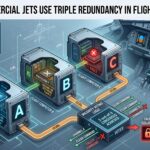
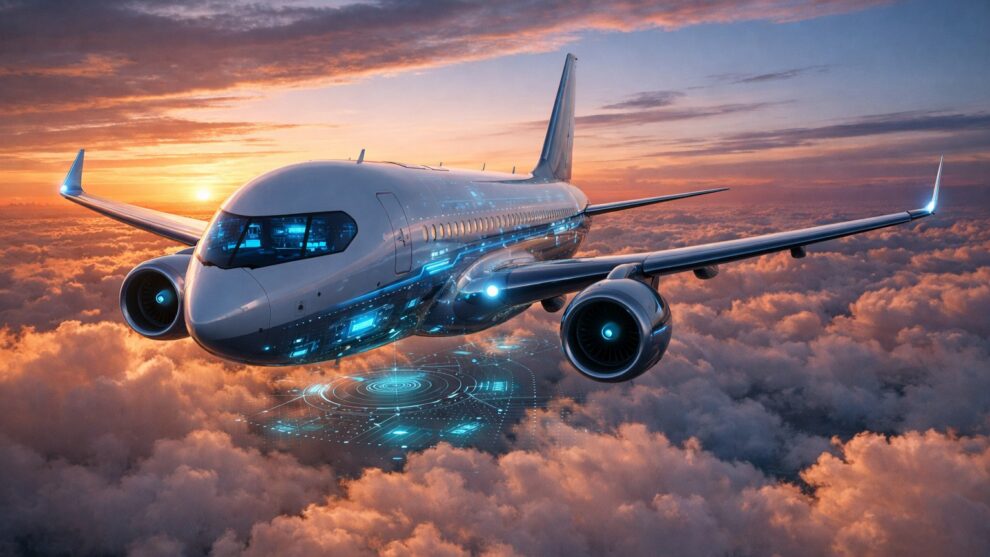
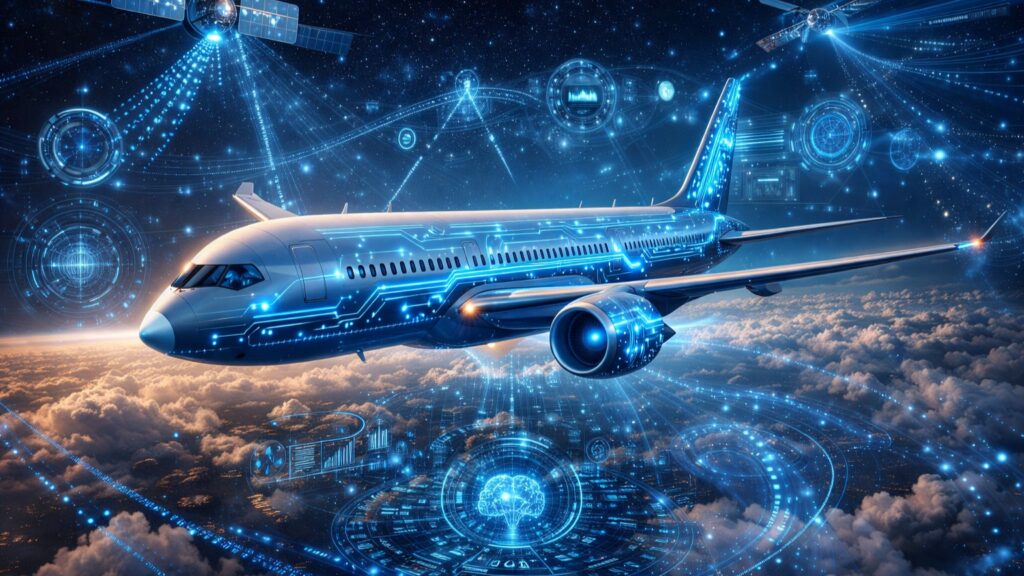
Technically, flying a plane requires immense data processing. Therefore, an AI piloted aircraft relies heavily on advanced machine learning and sensor fusion.
First, multiple interconnected sensors gather real-time data. Specifically, LiDAR, radar, and optical cameras constantly scan the surrounding environment. Then, the artificial intelligence analyzes this vast information instantly.
Consequently, the system can predict weather changes, avoid obstacles, and optimize fuel efficiency perfectly. In fact, researchers at MIT recently developed the Air-Guardian system. Essentially, this intelligent software acts as a digital copilot that anticipates risks faster than a human brain.

The Psychological Barrier: Would You Trust It?
Admittedly, the technology is advancing much faster than public acceptance. Recently, various academic studies measured passenger willingness to board these futuristic planes.
Unsurprisingly, the results highlighted significant public hesitation. Specifically, passengers worry deeply about cybersecurity, system failures, and the lack of human empathy during a crisis. Therefore, aviation experts predict a very gradual transition rather than an overnight revolution.
Initially, we will likely see single-pilot operations combined with an intelligent software assistant. Eventually, as the technology proves its flawless safety record, fully pilotless commercial flights will emerge.
Conclusion: The Inevitable Future of Aviation
Undeniably, the transition to pilotless commercial flights presents massive regulatory and psychological challenges. Nevertheless, the potential benefits for the industry are absolutely undeniable.
In conclusion, an AI piloted aircraft promises unprecedented operational efficiency and eliminated human error. Ultimately, the skies of tomorrow will look fundamentally different.
Frequently Asked Questions (FAQs) – AI Piloted Aircraft
Are there any fully autonomous passenger planes flying today? No. Currently, aviation authorities only permit fully autonomous flights for specific cargo and experimental drone operations. Passenger flights still strictly require human pilots.
Will AI completely replace human pilots? Eventually, yes. However, the industry will first transition to single-pilot operations assisted by advanced software copilots before removing humans entirely.
Which companies lead the autonomous aviation race? Airbus, Boeing, Xwing, and Reliable Robotics are currently leading the rapid development of fully autonomous flight technologies.
So, here is the ultimate question for you: Would you ever fly in a completely pilotless aircraft?
Let us know your thoughts in the comments below!
Did you knowAviationStream.com has a YouTube channel? Check out TheAeroGraphyOfficial and subscribe to watch fun, highly engaging aviation Shorts!