






Last Updated: 1 week ago
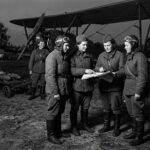
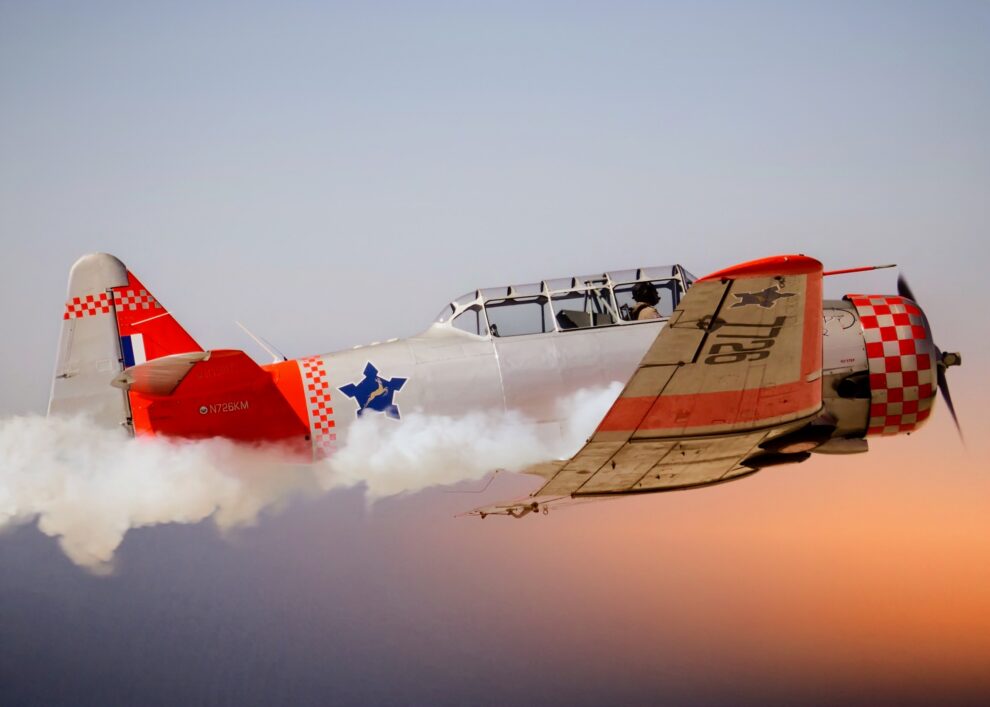
Initially, introduced in the late 1930s, this advanced military aircraft became essential. Specifically, it served as the ultimate proving ground for Allied aviators. Indeed, the T-6 Texan trainer did not fight the war directly. Instead, it built the brave men who did.
Undoubtedly, transitioning from basic flight school to high-performance combat aircraft was dangerous. Therefore, air forces needed a demanding machine to bridge that critical gap.
A WWII Military Trainer of Many Names
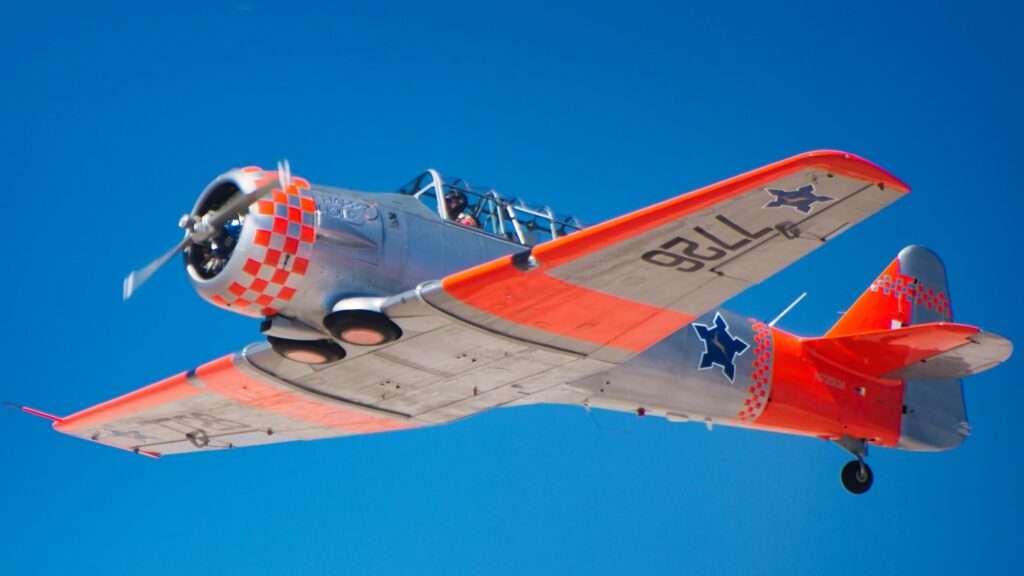
Interestingly, this famous aircraft held different names across various military branches. For example, the United States Army Air Forces called it the Texan. Meanwhile, Commonwealth nations famously knew this WWII military trainer as the Harvard. Additionally, the U.S. Navy officially designated it the SNJ.
Regardless of the specific name, the rigorous mission remained exactly the same. Ultimately, engineers designed it to test pilot discipline, extreme precision, and mental resilience.
Powering the T-6 Texan Trainer: The Engine
Technically, a massive 600-horsepower radial engine powered this iconic machine. Consequently, this roaring powerhouse gave young cadets a true taste of combat aviation inside the T-6 Texan trainer.
Naturally, the engine produced significant torque. As a result, pilots had to stay incredibly alert during takeoff and landing. Otherwise, the aircraft could easily veer off the runway.
The Ultimate Training Crucible
Admittedly, the aircraft was highly demanding in its handling. Therefore, it forced inexperienced cadets to master critical aviation survival skills quickly.
Specifically, instructors made pilots perfect dangerous stalls and spins. Furthermore, they practiced intense, close-quarters formation flying. Finally, cadets learned precise aerial gunnery before ever entering actual combat.
Ultimately, aviators believed a simple truth. Specifically, if a pilot could master the T-6 Texan trainer, they could fly absolutely anything.
The Lasting Legacy of the SNJ Aircraft
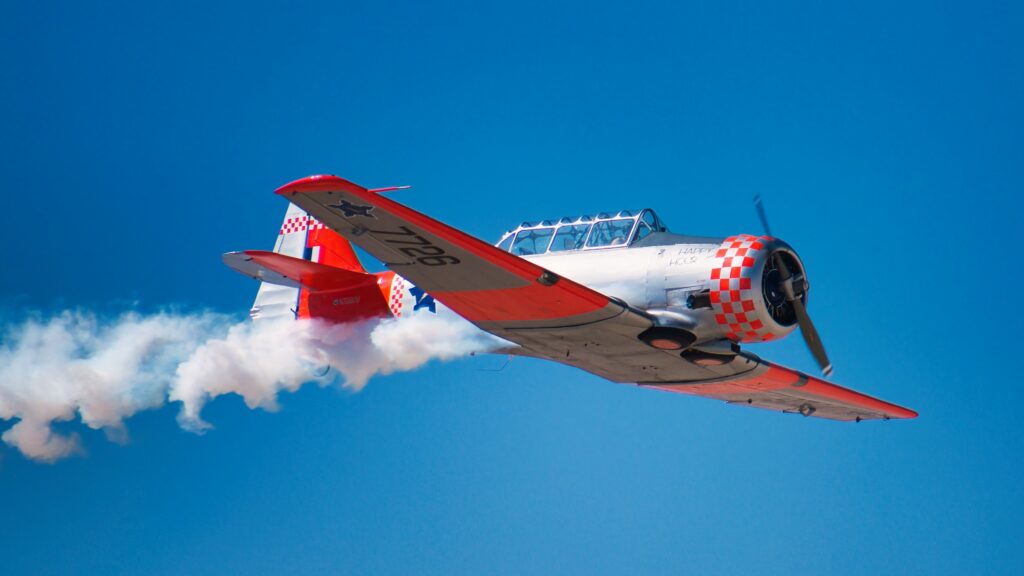
Today, the legacy of this remarkable machine lives on vividly. Currently, aviation enthusiasts still fly beautifully restored models at airshows worldwide.
Undeniably, it remains a vital piece of history. In conclusion, the T-6 Texan trainer stands as a brilliant testament to purpose-driven aeronautical engineering.
Frequently Asked Questions (FAQs)
What engine did this aircraft use? The aircraft featured a highly reliable 600-horsepower Pratt & Whitney R-1340 Wasp radial engine.
Did the T-6 Texan ever see actual combat? While primarily a training aircraft, some nations adapted it for light attack or counter-insurgency roles during later conflicts like the Korean War.
How many units were built? North American Aviation produced over 15,000 units in total. This massive production run made it one of the most widely used aviation trainers in history.
Did you know AviationStream.com has a YouTube channel? Check out [TheAeroGraphyOfficial] and subscribe to watch fun, highly engaging aviation Shorts!