



Last Updated: 4 months ago
Initially, March 13, 2019, appeared as a dark milestone in the chronicles of flight. In the days following the crash of Ethiopian Airlines Flight 302, aviation authorities around the world began grounding the Boeing 737 MAX. On March 13, 2019, regulators across North America, including Transport Canada and later the Federal Aviation Administration (FAA), officially halted all Boeing 737 MAX operations. Indeed, this Boeing 737 MAX grounding in 2019 was not merely a temporary suspension. Instead, it marked the beginning of a profound reckoning for the entire aerospace industry. Therefore, seven years later, we look back at how this date reshaped the fundamental principles of flight safety and certification.
The Background of the Boeing 737 MAX Program
First, we must understand why the MAX was created. Basically, Boeing faced immense pressure in 2010 when Airbus announced the fuel-efficient A320neo. Consequently, to compete quickly, Boeing decided to update its legendary 737 airframe once again. Specifically, they promised a 14% improvement in fuel efficiency.
However, the new, larger CFM LEAP-1B engines did not fit easily under the low-slung 737 wings. Therefore, engineers moved the engines further forward and higher up. As a result, this changed the aircraft’s aerodynamic behavior, causing the nose to pitch up during certain maneuvers. To fix this, Boeing developed the Maneuvering Characteristics Augmentation System, or MCAS. Ultimately, this software was designed to work in the background, often without the pilot’s direct knowledge.
The Tragedy of Lion Air Flight 610
Undeniably, the first warning sign arrived on October 29, 2018. Specifically, Lion Air Flight 610 crashed into the Java Sea just minutes after departing from Jakarta. Tragically, all 189 people on board lost their lives. Initially, investigators looked at maintenance records and pilot training.
Nevertheless, data showed a terrifying struggle between the flight crew and the aircraft. Basically, a single faulty Angle of Attack (AoA) sensor triggered the MCAS. Consequently, the software repeatedly pushed the aircraft’s nose down. Indeed, this was the first of the major Boeing 737 MAX accidents that suggested a systemic flaw in the aircraft’s design.
Ethiopian Airlines Flight 302: A Global Emergency
Subsequently, only five months later, disaster struck again. Specifically, on March 10, 2019, Ethiopian Airlines Flight 302 crashed six minutes after takeoff from Addis Ababa. Sadly, all 157 passengers and crew perished. Immediately, the world noticed the chilling similarities between this crash and the Lion Air tragedy.
Indeed, the Ethiopian Airlines 302 disaster triggered an unprecedented global reaction. Unlike previous incidents, aviation regulators did not wait for the FAA’s lead. Consequently, China and the European Union grounded the aircraft within 48 hours. Ultimately, the pressure on the American regulator reached a breaking point.
March 13, 2019: The FAA and Transport Canada Grounding Decision
Finally, on March 13, 2019, the United States joined the rest of the world. Specifically, new satellite tracking data provided by Aireon showed unmistakable flight path similarities between the two crashes. Therefore, the FAA issued the official FAA grounding order for all Boeing 737 MAX aircraft in U.S. territory.
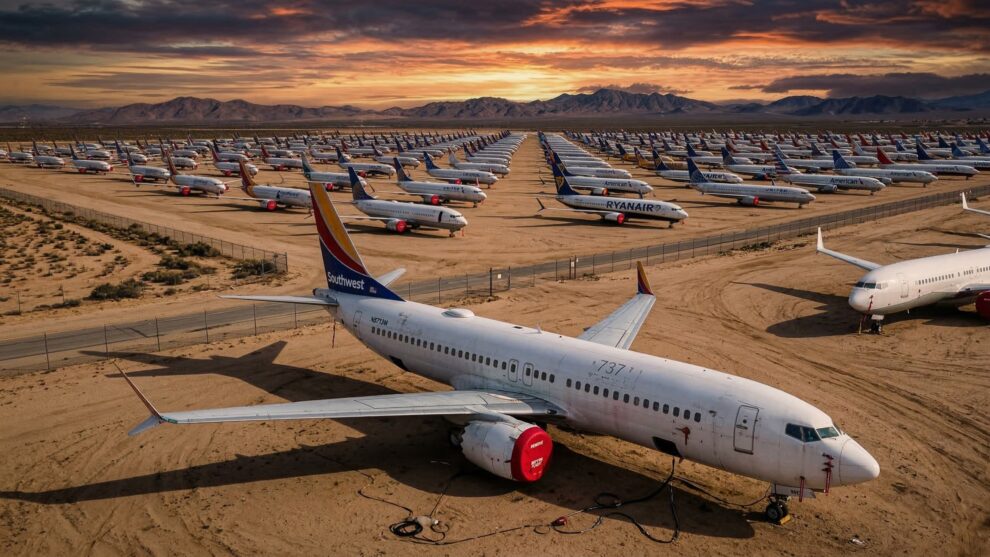
Admittedly, this was a late decision. However, it was mathematically inevitable. Basically, the satellite data confirmed that the aircraft’s automated systems were behaving erratically. As a result, the grounding became a global reality, leaving hundreds of aircraft parked on runways and storage lots for the next 20 months.
The Global Grounding Process and Regulatory Shifts
Remarkably, the Boeing 737 MAX grounding 2019 changed the hierarchy of global aviation. Typically, the FAA was the “gold standard” that everyone followed. However, during this crisis, other nations led the way. Specifically, China’s CAAC was the first to act, followed quickly by EASA in Europe.
Consequently, this shattered the long-standing trust in a single global authority. Furthermore, it forced regulators to realize that they could no longer outsource safety certification entirely to the manufacturers themselves. Indeed, the world demanded a more transparent and independent oversight process.
One of the Greatest Crises in Modern Aviation
Undoubtedly, the 737 MAX grounding was a multi-billion dollar catastrophe. Specifically, Boeing faced cancelled orders, massive lawsuits, and a complete halt in production. However, the financial loss was secondary to the aviation safety crisis regarding public trust.
Indeed, internal documents revealed a corporate culture that sometimes prioritized speed and cost over engineering perfection. Consequently, the crisis exposed flaws in the “Organization Designation Authorization” (ODA) system. Basically, this system allowed Boeing employees to act as FAA representatives, creating a massive conflict of interest. Therefore, the entire industry had to rethink how we certify “smart” machines.
Essential Lessons Learned for the Aviation Industry
Ultimately, the 20-month grounding provided several vital lessons for the future of flight:
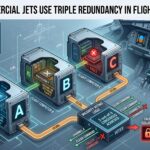
- Redundancy is Vital: A critical flight system must never rely on a single sensor. Specifically, MCAS now requires data from two sensors to activate.
- Pilot Awareness: Modern aviation safety crisis management requires that pilots are fully aware of all automated systems. Therefore, training manuals now include detailed MCAS instructions.
- Human Over-ride: Technology should assist the pilot, not fight them. Indeed, the updated software now prevents the computer from over-powering the human crew.
Conclusion: The Long-Term Impact of the Crisis
In conclusion, the Boeing 737 MAX grounding 2019 was a painful but necessary correction for modern aviation. Undeniably, the aircraft has returned to the skies as one of the most scrutinized and safest planes in history. However, the memory of March 13, 2019, remains a solemn reminder that safety must always be the first priority. Ultimately, we fly safer today because we learned the hard way that physics and transparency are greater than corporate deadlines.
Frequently Asked Questions (FAQ)
1. Why was the Boeing 737 MAX grounded in 2019? The aircraft was grounded following two fatal accidents involving the MCAS system, which caused the planes to enter uncontrollable dives based on faulty sensor data.
2. What is the MCAS system? MCAS (Maneuvering Characteristics Augmentation System) is a software designed to prevent the 737 MAX from stalling due to its larger engines, but it failed when it relied on a single faulty sensor.
3. Is the Boeing 737 MAX safe to fly today? Yes. Following the Boeing 737 MAX grounding 2019, the aircraft underwent 20 months of rigorous re-certification, including software updates and mandatory pilot training, making it one of the most tested planes in history.
So, here is the ultimate question for you: Do you remember how you felt when you first heard about the global grounding in 2019? Let us know in the comments below!
Did you knowAviationStream.com has a YouTube channel? Check out TheAeroGraphyOfficial and subscribe to watch fun, highly engaging aviation Shorts!