Speed Brake Explained: How Aircraft Slow Down in Flight
A speed brake, or air brake, adds drag so that an aircraft can slow down or descend steeply without gaining speed. Airliners use their spoilers as speed brakes; fighters and some jets have separate panels on the fuselage or tail.
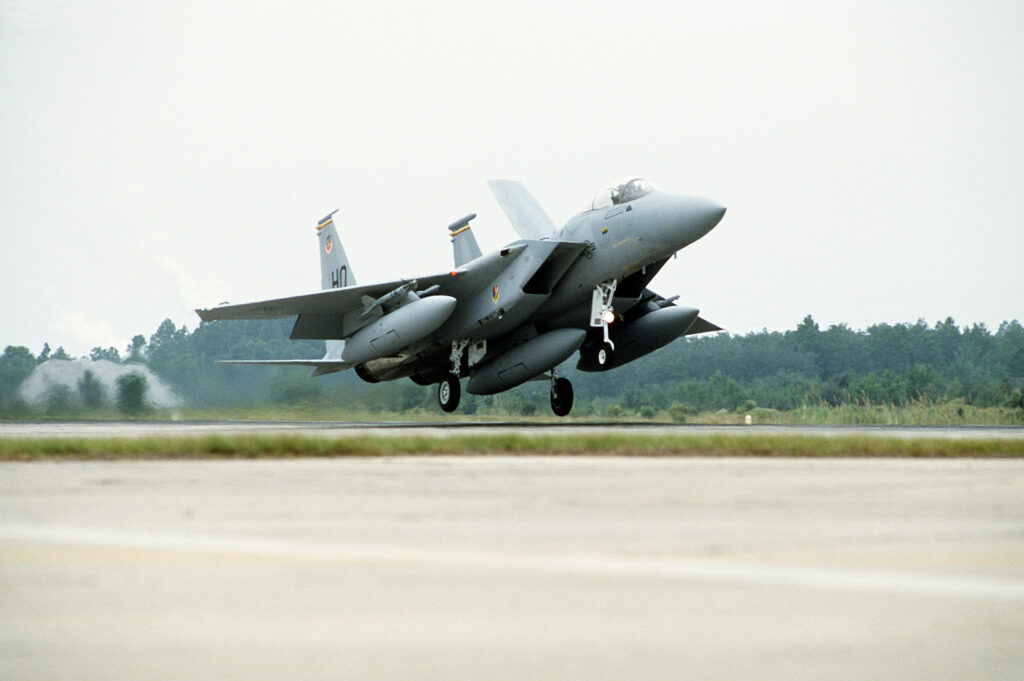
A speed brake, also called an air brake, is a surface that is extended into the airflow to increase drag. Its job is to slow an aircraft down or let it descend more steeply without picking up speed. Unlike a spoiler used for lift dumping, a pure speed brake is designed to add drag while changing the lift as little as possible.
How speed brakes work
A clean, modern jet is aerodynamically very efficient. If it points its nose down to descend, it accelerates; if it reduces thrust to idle, it still glides a long way. Sometimes pilots need to lose height or speed faster, for example when air traffic control keeps them high before an approach or asks them to slow down quickly. Extending the speed brake adds drag, so the aircraft can descend at a steeper angle at the same speed, or slow down at the same altitude.
Speed brakes on airliners
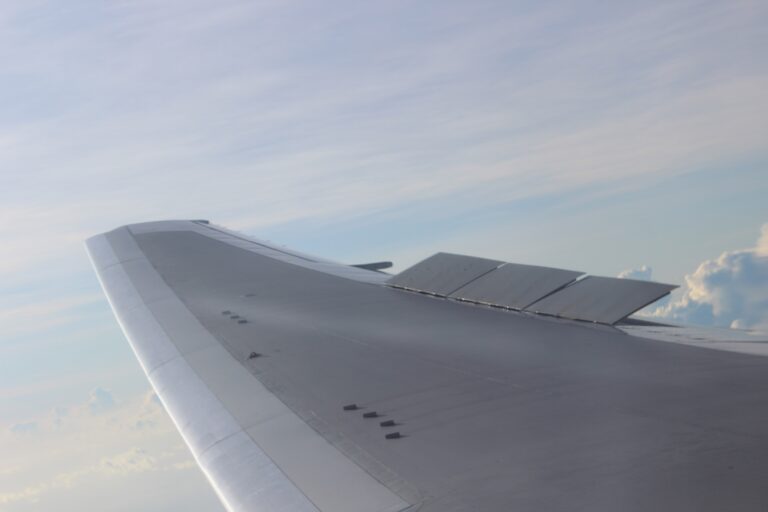
On most airliners, including the Boeing 737, 787 and the Airbus A320 and A350, there is no separate speed brake panel. Instead, a lever on the centre pedestal raises the spoiler panels on both wings by a limited amount in flight. Pilots feel some buffeting and the aircraft’s descent rate increases. Systems limit how far the panels can rise at high speed, and on some aircraft they retract automatically if the pilot adds a lot of thrust or if the angle of attack becomes too high.
Separate speed brake panels
Some aircraft have dedicated speed brakes. The British Aerospace 146 and the Fokker 70 and 100 have a tail cone that splits open into two petals, letting them fly steep approaches into airports such as London City. Fighters such as the F-15 Eagle have a large panel on the top of the fuselage, and the F-16 has split surfaces beside the engine nozzle. The Space Shuttle split its rudder into two halves to act as a speed brake during its glide home. Gliders have airbrakes, often vertical paddles that rise from the wing, to control the approach angle precisely.
Why the term matters
Speed brakes give pilots flexibility in descent planning and help them meet speed limits, such as the 250 knot rule below 10,000 ft in many countries. They are also a sign of good energy management: using them too often shows that the descent was started late. Compare them with flaps, which add both lift and drag for landing.
Frequently asked questions
What is the difference between a speed brake and a spoiler? A speed brake mainly adds drag; a spoiler reduces lift and adds drag. On airliners, the spoilers usually also serve as speed brakes.
When do pilots use the speed brake? To descend faster or slow down in flight, and automatically as ground spoilers after landing.
Why does the aircraft shake when the speed brake is out? The raised panels disturb the airflow, which causes a light buffet.
References
- FAA Pilot’s Handbook of Aeronautical Knowledge (FAA-H-8083-25), chapter 6: Flight Controls
- FAA Airplane Flying Handbook (FAA-H-8083-3), chapter on transition to jet-powered airplanes
- FAA Aviation Maintenance Technician Handbook – Airframe (FAA-H-8083-31), chapter 2: Aerodynamics, Aircraft Assembly and Rigging
Start the discussion
Commenting on this term: Speed Brake Explained: How Aircraft Slow Down in Flight