Monocoque and Semi-Monocoque Structure Explained
In a monocoque structure the outer skin carries almost all the loads, like an eggshell. A semi-monocoque adds frames, stringers and longerons that share the loads with the skin, and it is how nearly every modern aircraft is built.
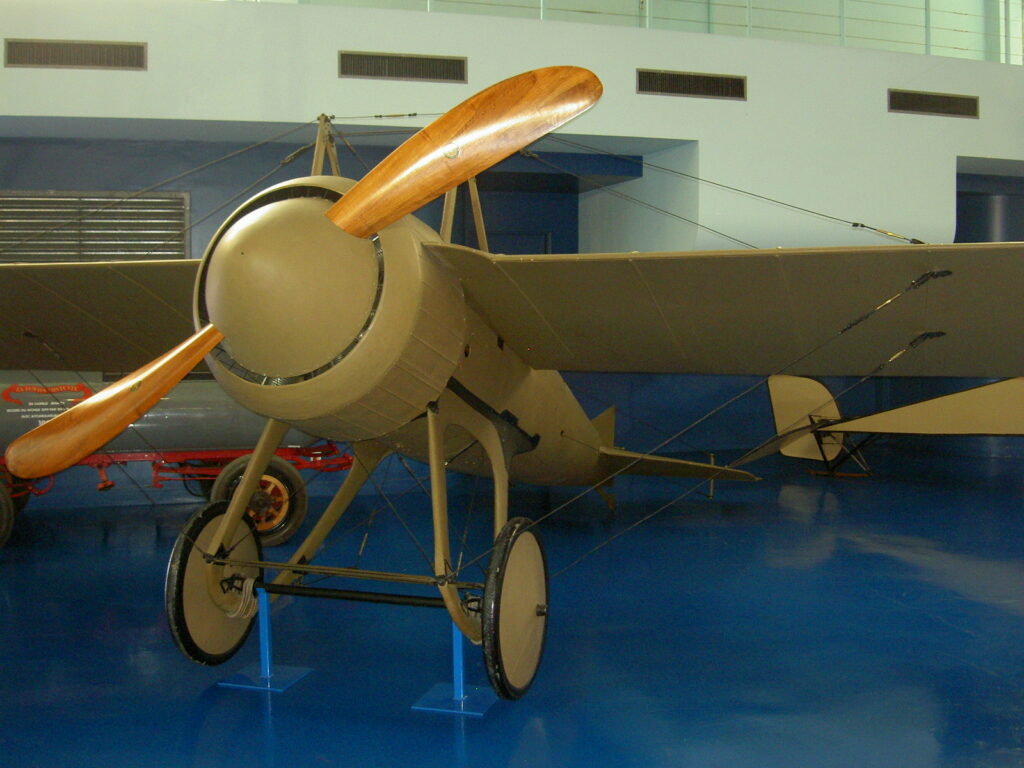
A monocoque structure carries almost all of its loads in its outer skin, in the way an eggshell or a drink can does. The word is French for “single shell”. A semi-monocoque structure keeps a load-carrying skin but adds an internal framework of frames, stringers and longerons that shares the loads and stops the skin from buckling. Almost every modern aircraft fuselage is semi-monocoque.
From trusses to shells
The earliest aircraft used a truss structure: a framework of wooden or steel members braced with wires, covered in fabric that carried no load. Trusses are simple and easy to repair, and the welded steel-tube fuselage of the Piper Cub is a well-known example. But a truss leaves little room inside and has a boxy shape that causes drag.
The monocoque idea came next. The French Deperdussin Monocoque racer of 1912 had a fuselage shell moulded from thin layers of tulipwood glued together. It was smooth, light and streamlined, and in 1913 it became the first aircraft to fly faster than 200 km/h.
How a monocoque works
In a pure monocoque, formers (rings or bulkheads) give the shell its shape, but the skin itself carries bending, twisting and pressure loads. This works well for small, highly curved shapes. For a large aircraft, though, the skin would have to be thick and heavy to avoid buckling, and any dent or hole would weaken the whole structure, because there is no other load path.
How a semi-monocoque works
A semi-monocoque solves these problems by stiffening the skin from inside:
- Frames (or formers) are rings around the fuselage that keep its shape and spread concentrated loads.
- Stringers are light members running along the fuselage that stiffen the skin against buckling.
- Longerons, where used, are heavier longitudinal members that carry much of the bending load.
- Bulkheads close off sections and, in pressurised aircraft, hold the cabin pressure.
The skin carries shear and pressure loads, while the stringers and longerons take most of the bending. Because there are many members, a crack or a hole in one place does not bring down the whole structure, and openings for doors and windows can be reinforced locally.
Where you find them
Pure monocoque shells survive in some composite light aircraft and gliders, in fairings and in rocket bodies. Semi-monocoque construction is used on almost all airliners, business jets and military aircraft. Even all-composite fuselages such as the Boeing 787’s are built as stiffened shells with frames and stringers, so they follow the semi-monocoque principle.
Why it matters
The choice of structure decides how an aircraft carries its loads, how heavy it is and how it is inspected and repaired. Technicians need to know which parts are carrying load before they cut, drill or repair anything.
Frequently Asked Questions
What is the difference between monocoque and semi-monocoque? In a monocoque the skin carries the loads alone; in a semi-monocoque frames and stringers share them.
Is an airliner fuselage monocoque? No, it is semi-monocoque.
What was the first monocoque aircraft? The 1912 Deperdussin Monocoque racer is the best-known early example.
References
- FAA Aviation Maintenance Technician Handbook – Airframe (FAA-H-8083-31), chapter 1: Aircraft Structures
- NASA Glenn Research Center, Beginner’s Guide to Aeronautics: Airplane parts and function
Start the discussion
Commenting on this term: Monocoque and Semi-Monocoque Structure Explained