




About This Video
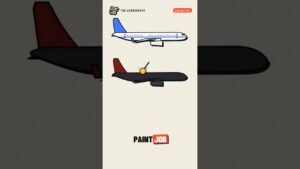
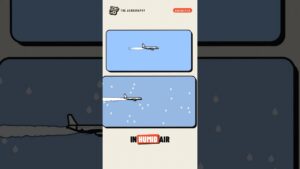
A wing makes lift with higher pressure below and lower pressure above. At the tip, the high-pressure air spills around to the top and rolls up into a wingtip vortex — energy the engines have to pay for as induced drag. A winglet blocks part of that spill, and it's angled so the swirling flow produces a small forward component of force. NASA's winglet, developed by Richard Whitcomb at Langley, cut induced drag by about 20 percent in flight tests on a KC-135. On 737s, blended winglets typically save about 3.5 to 5 percent of fuel, depending on the airline and the route.
Notes: Vortex size and brightness are illustrative, not measured. The side-by-side 737s are for comparison.
Sources:
– NASA Spinoff, winglets:
– NASA NTRS:
– Aviation Partners Boeing (4-5 % on 737s):
– Alaska Airlines (3.5 %):
– Boeing 737-800 dimensions:
✈️ Subscribe to AviationStream on YouTube for the latest aviation videos.