







Last Updated: 4 months ago
Quick Definition
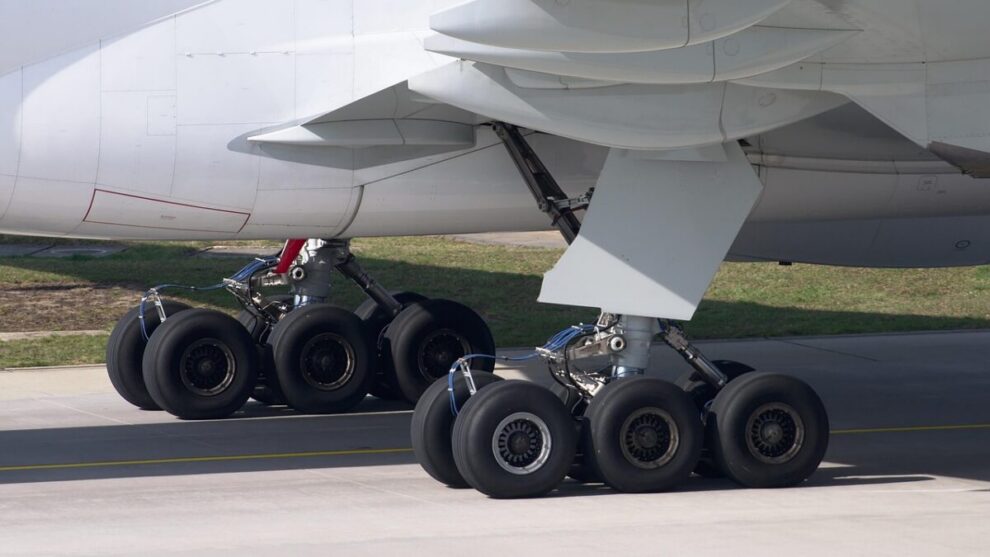
In aviation, the landing gear is the essential undercarriage system of an aircraft. This structural assembly supports the aircraft when it is not flying, allowing it to take off, navigate on the ground, and safely land. Consequently, it absorbs the kinetic energy of touchdown and provides mobility during taxiing operations. Engineers design these systems to withstand significant physical stress while minimizing overall weight and aerodynamic drag.
How Does Landing Gear Work?
This assembly functions as the primary shock-absorbing system for an aircraft. During touchdown, the system dissipates landing energy through hydraulic damping and gas compression. Therefore, it protects the fuselage from structural damage. Hydraulics and pneumatic systems typically drive the extension and retraction sequences.
Additionally, oleo struts (air-oil shock absorbers) dampen the impact forces. When the aircraft wheels touch the runway, hydraulic fluid forces through a small internal orifice. As a result, this process dissipates the vertical descent energy smoothly. Furthermore, pressurized nitrogen gas inside the strut acts as a spring to support the aircraft’s static weight.
Meanwhile, modern transport aircraft utilize complex braking mechanisms integrated into the wheel assemblies. Anti-skid systems continuously monitor wheel rotation speed during deceleration. Consequently, they prevent tire lock-up and ensure optimal braking performance across various runway conditions.
Major Components
| Component | Function | Importance |
|---|---|---|
| Oleo Strut | Absorbs vertical impact energy during touchdown | Prevents structural damage to the airframe |
| Wheel Assembly | Provides traction and supports aircraft weight | Essential for steering and braking |
| Carbon Brakes | Dissipates forward kinetic energy via friction | Enables safe deceleration on the runway |
| Actuator Cylinder | Drives the extension and retraction mechanism | Minimizes aerodynamic drag during flight |
| Trunnion | Attaches the gear assembly to the aircraft frame | Transfers ground forces to the primary airframe |
| Drag Brace | Mechanically locks the undercarriage in the extended position | Prevents collapse during ground operations |
| Nose Gear | Supports the aircraft nose and provides steering | |
| Main Gear | Bears most of the aircraft weight during landing |
Types of Landing Gear
| Type | Characteristics | Common Use |
|---|---|---|
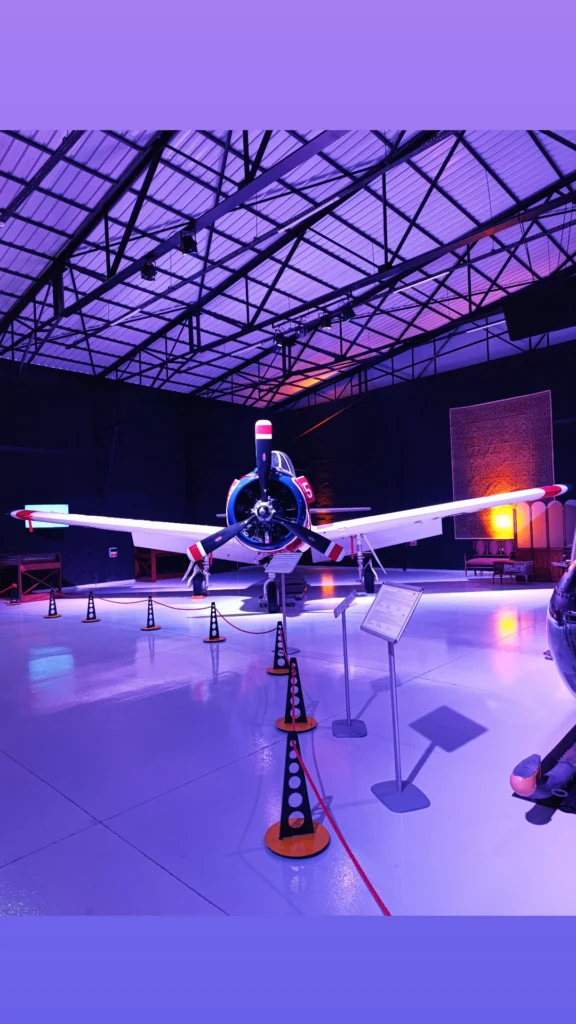
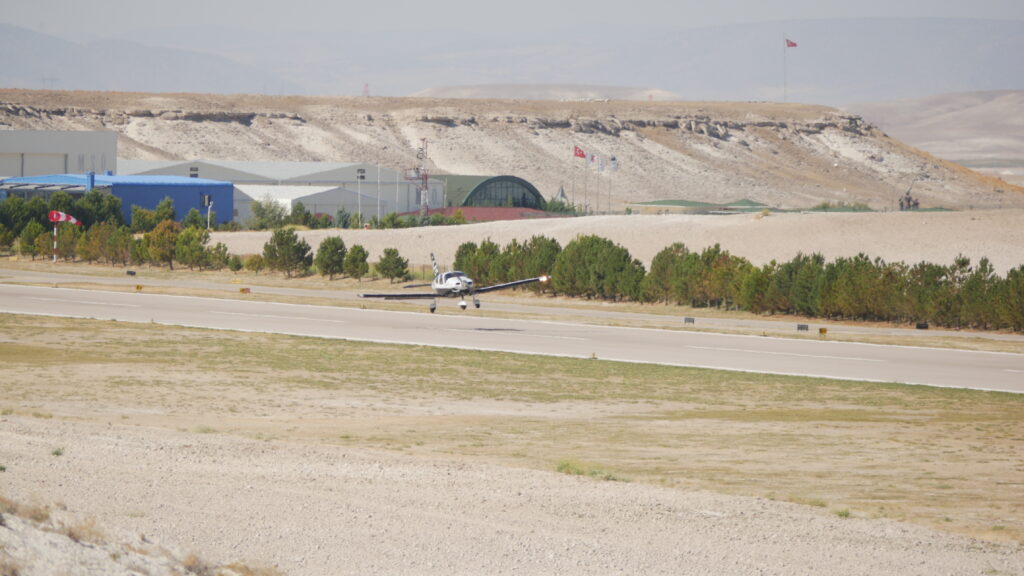
| Tricycle | Features a single nose wheel and two main wheel assemblies | Most modern commercial and general aviation aircraft |
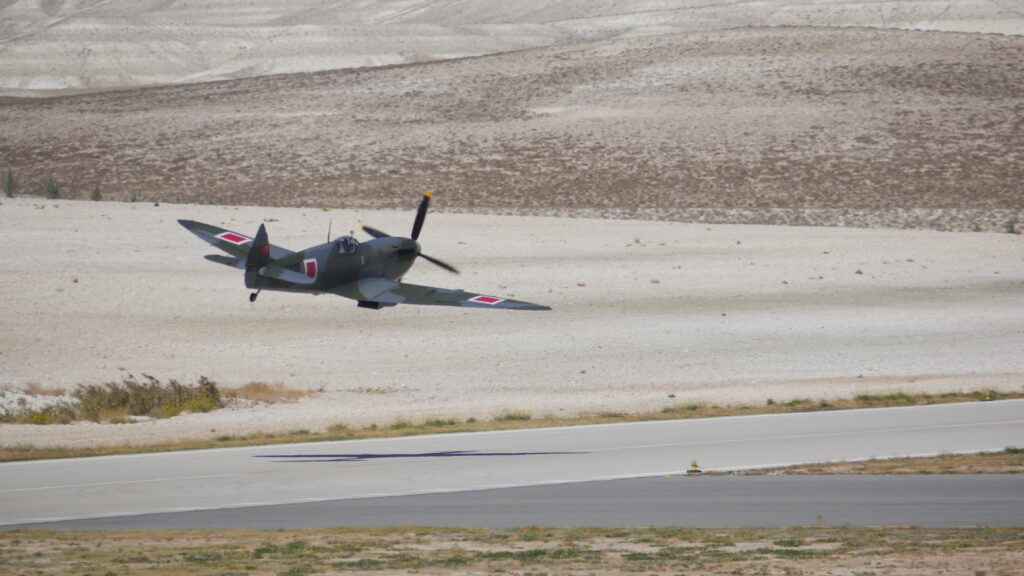
| Conventional | Utilizes two forward main wheels and a small rear tailwheel | Older aircraft, bush planes, and aerobatic aircraft |
| Tandem | Aligns main wheels along the longitudinal axis of the fuselage | Military bombers (e.g., B-52) and high-performance gliders |
| Ski/Float | Replaces standard wheels with skis or pontoon floats | Operations on snow, ice, or water surfaces |
Why Is Landing Gear Important in Aviation?
The undercarriage directly impacts the safety and operational viability of every flight. First, it ensures safe ground handling and directional control during taxi, takeoff, and landing phases. Moreover, reliable extension is a critical safety requirement governed by strict FAA and EASA regulations.
From an engineering perspective, retractable systems significantly reduce aerodynamic drag. As a result, they improve fuel efficiency and increase the overall range of the aircraft. However, adding these retraction mechanisms introduces weight and mechanical complexity.
Therefore, aerospace engineers must carefully balance weight, strength, and aerodynamic efficiency during the design process. Proper maintenance of these components prevents failures during high-speed runway operations. Furthermore, routine inspections ensure compliance with international aviation safety protocols.
Interesting Facts
- The Antonov An-225 utilized a 32-wheel undercarriage to distribute its heavy payload safely across the runway.
- Retractable systems first appeared on early monoplanes in the 1920s to reduce aerodynamic drag.
- Commercial aircraft tires operate at high pressures, typically between 200 and 220 psi.
- Mechanics fill aviation tires with nitrogen gas instead of standard air. Consequently, this prevents expansion at high altitudes and reduces tire fire risks.
Frequently Asked Questions (FAQ)
What is landing gear? It is the structural undercarriage of an aircraft that supports it on the ground and safely absorbs the kinetic impact of landing.
How does landing gear retract? Hydraulic actuators typically drive the retraction process. They fold the wheels into internal fuselage bays to reduce aerodynamic drag during flight.
Why is landing gear important? It provides a secure physical interface between the aircraft and the ground. Therefore, it enables safe takeoff, taxiing, and deceleration while protecting the primary airframe.
What happens if the landing gear fails to deploy? Pilots use alternate extension systems, such as gravity drop or manual hydraulic hand pumps. As a result, they can lock the wheels into place before attempting a landing.
Key Takeaways
- Landing gear supports an aircraft during ground operations and absorbs high-velocity touchdown forces.
- Oleo struts utilize pressurized nitrogen gas and hydraulic fluid to dampen vertical impacts effectively.
- The tricycle configuration remains the most common design in modern commercial aviation.
- Retractable systems improve flight performance and fuel efficiency by minimizing aerodynamic drag.
- Strict maintenance schedules and redundant backup systems ensure high reliability during daily flight operations.
AUTHORITATIVE REFERENCES
- Federal Aviation Administration (FAA) – Aviation Maintenance Technician Handbook-Airframe.