












The leading edge is the front part of a wing, tail, rotor, or propeller blade that first meets the oncoming airflow.
Aircraft Anatomy & Components

An aircraft fuselage is the main body of an aircraft, housing crew, passengers, cargo, systems, and key structural attachments.
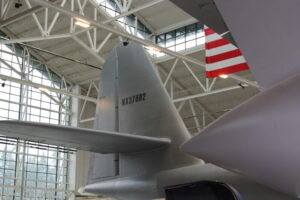
Quick Definition In aviation, the vertical stabilizer (commonly known as the tail fin) is the static, upright aerodynamic surface located at the rear...
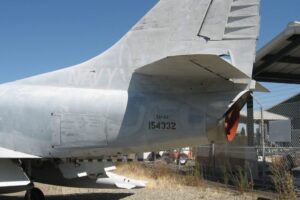
A horizontal stabilizer is a tail surface that helps keep an aircraft stable in pitch and supports elevator control during flight.

An aircraft flap is a high-lift device on the wing that helps aircraft fly safely at lower speeds during takeoff and landing.

An aircraft bulkhead is a structural partition that strengthens the fuselage, separates sections, and may help contain pressure or fire.

Aircraft landing gear supports the aircraft on the ground, absorbs touchdown loads, and enables taxiing, braking, and steering.

A flight deck can mean the control center of a large aircraft or the launch and landing area on an aircraft carrier, depending on context.

A ram air turbine is a small deployable turbine that uses airflow to provide emergency electrical or hydraulic power to an aircraft.

A tiny rotor is a miniature lifting or propeller component used in micro drones, nano UAVs, and small aerial systems.

Latest Videos
 0:47
0:47
1
Why the Fairey Swordfish Was Too Slow to Shoot Down
 0:46
0:46
2
Why They Put the Legendary Spitfire on an Aircraft Carrier
 0:47
0:47
3
The Secret Weapon of the U.S. Navy Grumman Avenger
 0:44
0:44
4
Nakajima B5N2 Kate: The Plane That Changed Pearl Harbor
 1:34
1:34
5
The B-52 Stratofortress: Built for Strategic Deterrence! ✈️
 1:21
1:21
6
Why Airplane Black Boxes Don’t Use GPS in the Ocean

Join Aviation Stream!
Become an exclusive member, leave unlimited comments, and connect instantly with fellow aviation enthusiasts.
Join for Free / Login