Cabin Altitude Explained: How High Is the Air Inside an Airliner?
Cabin altitude is the altitude in the standard atmosphere that has the same air pressure as the inside of an aircraft cabin. Airliners usually keep it between about 6,000 and 8,000 ft, even when cruising at 40,000 ft.
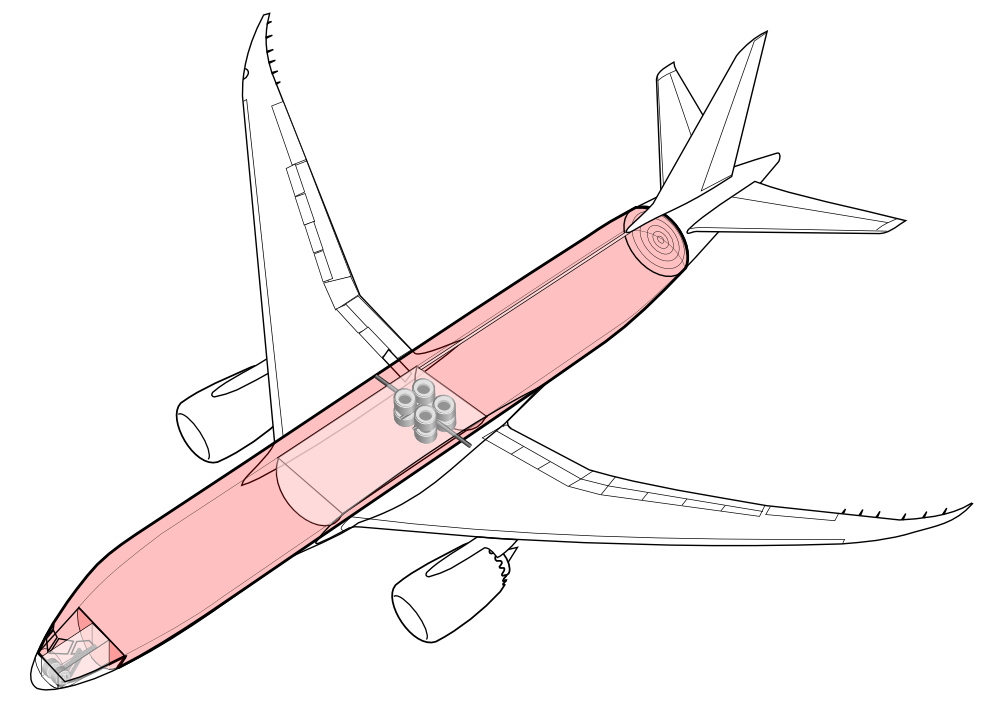
Cabin altitude is the height in the standard atmosphere at which the outside air pressure would equal the pressure inside an aircraft’s cabin. It tells the crew how “high” the passengers’ bodies effectively are. When an airliner cruises at 38,000 ft, its cabin pressurisation system normally keeps the cabin altitude between about 6,000 and 8,000 ft, similar to a high mountain town.
How it is controlled
The crew does not set the cabin altitude directly. The pressurisation controller calculates it from the aircraft’s altitude and the selected landing airport, and moves the outflow valve to hold the right pressure. On the flight deck, the pressurisation panel shows the cabin altitude, the rate at which it is changing (cabin rate, in feet per minute) and the pressure differential. A typical cabin climbs at about 500 ft per minute and descends at about 300 ft per minute, slow enough to be comfortable for passengers’ ears.
Limits and warnings
US certification rules require transport aircraft to keep the cabin altitude no higher than 8,000 ft in normal operation at their maximum operating altitude. Above that level, the body starts to receive noticeably less oxygen. Most airliners give the crew a loud cabin altitude warning when the cabin passes 10,000 ft. If it continues to climb to about 14,000 ft, the passenger oxygen masks drop automatically.
The aviation medicine behind these numbers is hypoxia, a shortage of oxygen in the body. Its early signs, such as poor judgement, headache and tingling, can be subtle, and a person who is affected may not notice them. That is why crews are trained to treat a cabin altitude warning as a reason to put on their oxygen masks immediately, before trying to diagnose the problem.
Newer aircraft
Composite fuselages are less sensitive to fatigue from pressure cycles, so newer aircraft can be built to keep a lower cabin altitude. The Boeing 787 and Airbus A350 are designed for a cabin altitude of about 6,000 ft in cruise, and some new business jets advertise cabin altitudes below 5,000 ft. Passengers tend to feel less tired after long flights when the cabin altitude is lower.
Why it matters
A slow, unnoticed rise in cabin altitude is one of the most dangerous situations a crew can face, because hypoxia affects the people who must solve the problem. In the Helios Airways Flight 522 accident in 2005, the pressurisation system had been left in manual mode, the cabin altitude warning was misunderstood, and the crew became incapacitated. The case is still used in training on crew resource management.
Frequently Asked Questions
What is the cabin altitude of an airliner? Usually between 6,000 and 8,000 ft in cruise, and about 6,000 ft on the Boeing 787 and Airbus A350.
When do the oxygen masks drop? Automatically, at a cabin altitude of about 14,000 ft on most airliners.
What is the cabin altitude warning? An aural and visual alert, usually at a cabin altitude of 10,000 ft.
References
- 14 CFR 25.841, Pressurized cabins
- FAA Aeronautical Information Manual, chapter 8, section 1: Fitness for Flight (hypoxia and altitude)
- FAA Pilot’s Handbook of Aeronautical Knowledge (FAA-H-8083-25), chapter 7 (Aircraft Systems)
Start the discussion
Commenting on this term: Cabin Altitude Explained: How High Is the Air Inside an Airliner?