Aircraft Water and Waste Systems: How Airliner Toilets Work
An airliner's potable water system stores drinking water in tanks and delivers it to galleys and lavatory sinks, while the waste system uses vacuum toilets that send waste to a sealed tank, emptied by a service truck after landing.
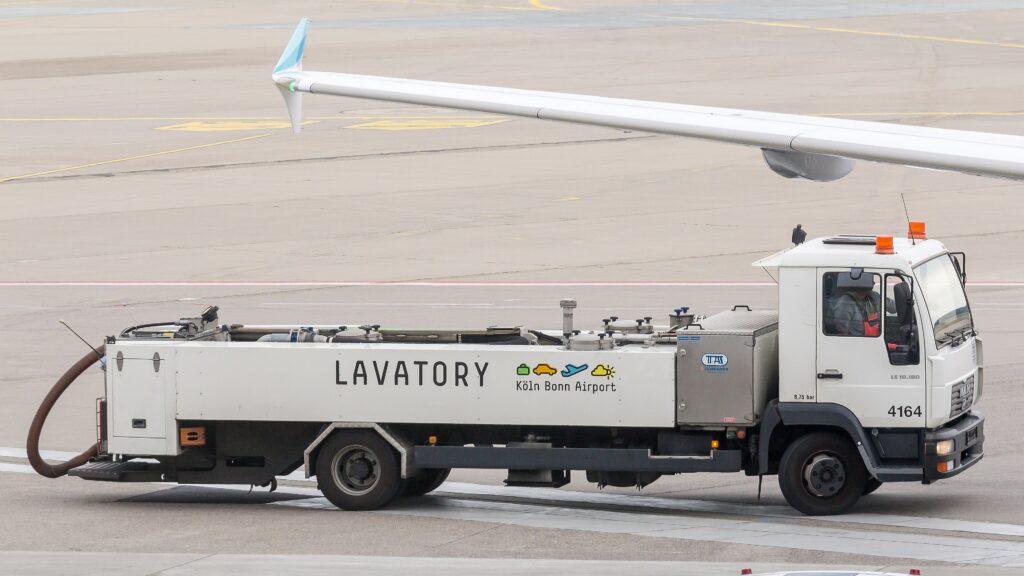
The potable water and waste systems of an airliner supply drinking water to the galleys and lavatory sinks and collect toilet waste in a sealed tank. Together they make it possible to carry hundreds of passengers on flights lasting many hours. On the ATA chapter list used by the industry, they are chapter 38, water and waste.
Potable water
“Potable” means safe to drink. Water is stored in one or more tanks, usually in the lower fuselage, and filled through a service panel by a water truck before departure. The tanks are pressurised, either with air from the aircraft’s bleed air system or by a small compressor, which pushes water to the coffee makers, water boilers and sinks. Small electric heaters provide warm water in the lavatories. Pipes and drain lines that pass through cold areas are heated, because frozen lines could burst or block drains.
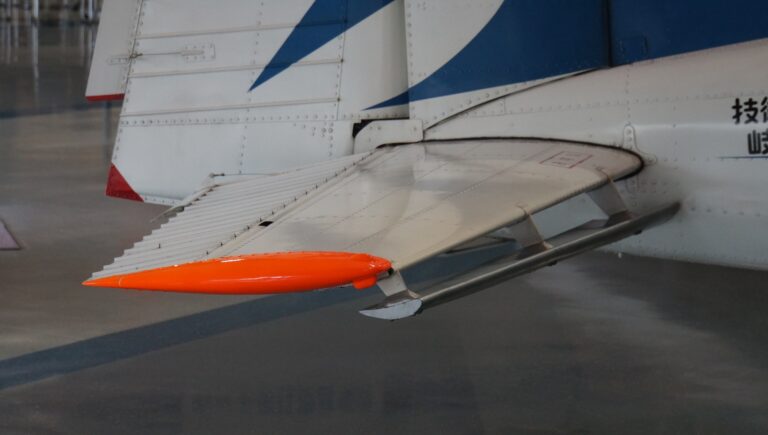
Waste water from sinks and galley drains does not go into the waste tank. It is drained overboard through heated drain masts, small fins under the fuselage, where it evaporates in the airflow.
Vacuum toilets
Most modern airliners use vacuum toilets. When the toilet is flushed, a valve opens and the difference in pressure between the cabin and a waste tank under the floor sucks the contents through a pipe at high speed, using very little rinse water. On the ground and at low altitude, where the pressure difference is small, an electric vacuum generator supplies the suction. This explains the loud noise of an airliner toilet. Older aircraft used recirculating toilets with blue disinfectant fluid, which needed a tank under each lavatory.
Emptying the tanks
After landing, a lavatory service vehicle connects a hose to the waste service panel and drains the tank, and the system is rinsed. Valves and seals must be kept in good condition: a leaking waste valve can let fluid freeze on the outside of the fuselage, and pieces of this ice have occasionally fallen from aircraft.
Rules
Aircraft water must be safe to drink. In the United States, the Environmental Protection Agency’s Aircraft Drinking Water Rule requires airlines to disinfect and flush their water systems and to test samples regularly.
Frequently Asked Questions
Is the water on a plane safe to drink? Airlines must keep it safe under the regulations, but many travellers still prefer bottled water for drinks.
Do planes dump toilet waste in the air? No. Toilet waste stays in a sealed tank until it is emptied on the ground.
Why are airplane toilets so loud? Because they use a strong vacuum to empty the bowl quickly with very little water.
Related terms: cabin pressurisation and ice protection.
References
- US Environmental Protection Agency: Aircraft Drinking Water Rule
- 14 CFR 25.1455, Draining of fluids subject to freezing
Start the discussion
Commenting on this term: Aircraft Water and Waste Systems: How Airliner Toilets Work