Primary and Secondary Structure in Aircraft Explained
Primary structure is any part that carries the aircraft's main flight, ground or pressure loads, and whose failure could endanger the aircraft. Secondary structure, such as fairings and access panels, carries only local loads.
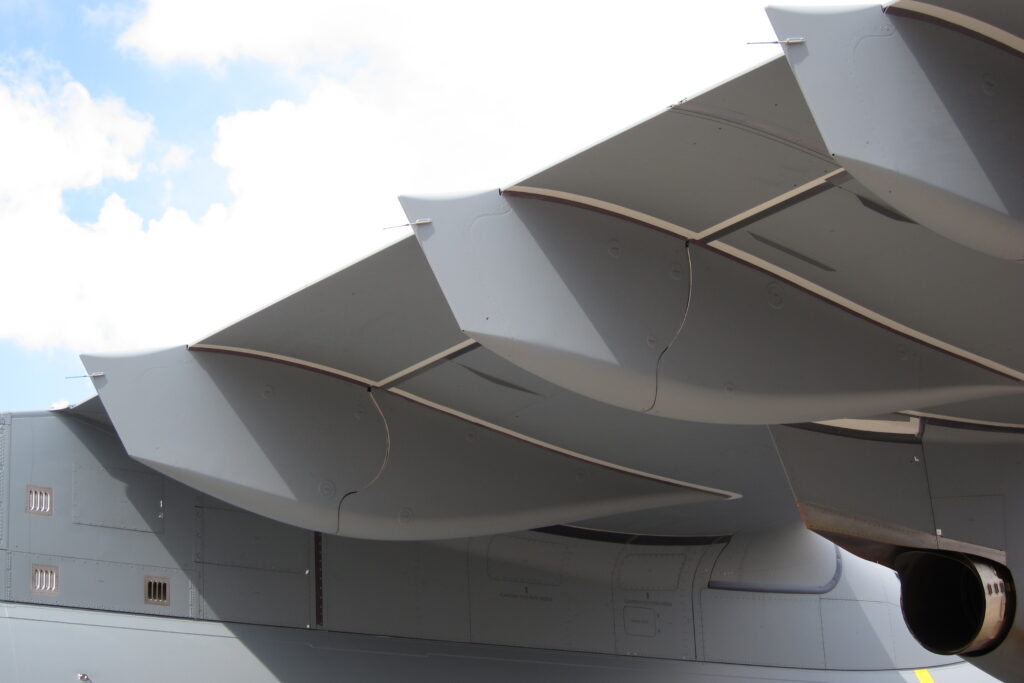
Primary structure is any part of an aircraft that carries the main flight, ground or pressurisation loads, and whose failure could cause a loss of the aircraft or serious injury. Secondary structure carries only local loads, such as the air pressure on a fairing, and its failure would not by itself endanger the aircraft. The difference decides how each part is designed, inspected and repaired.
Examples of primary structure
- Wing spars, ribs and skins, and the wing-to-fuselage attachment
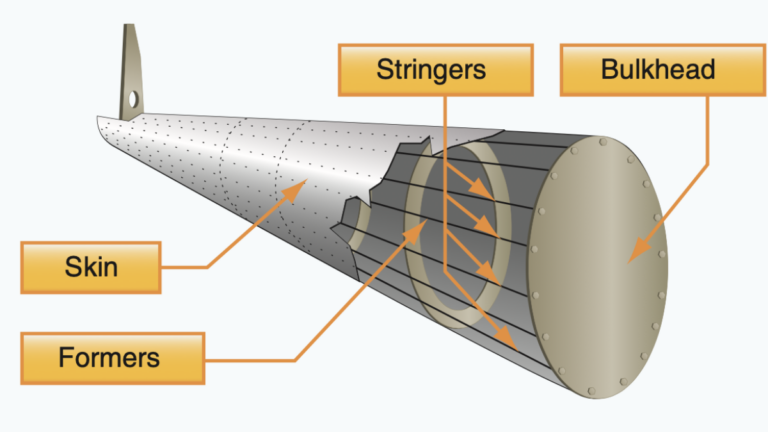
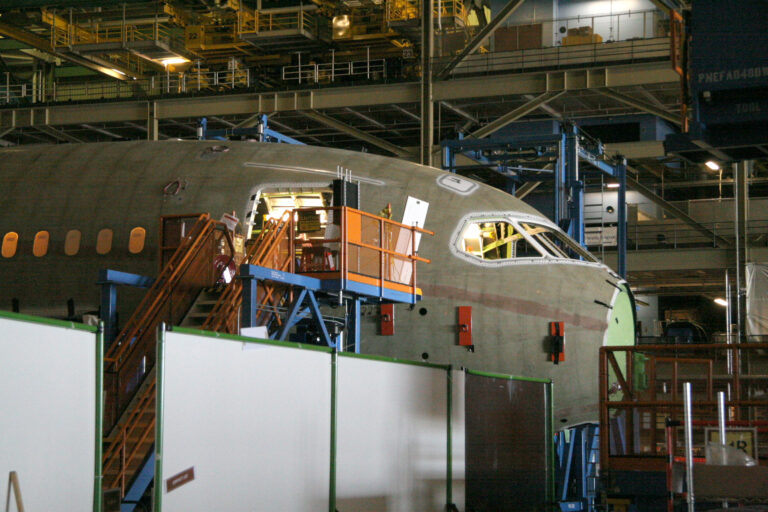
- Fuselage frames, stringers, longerons, skins and the pressure bulkheads
- The fin and horizontal stabilizer structure
- Engine mounts and pylons
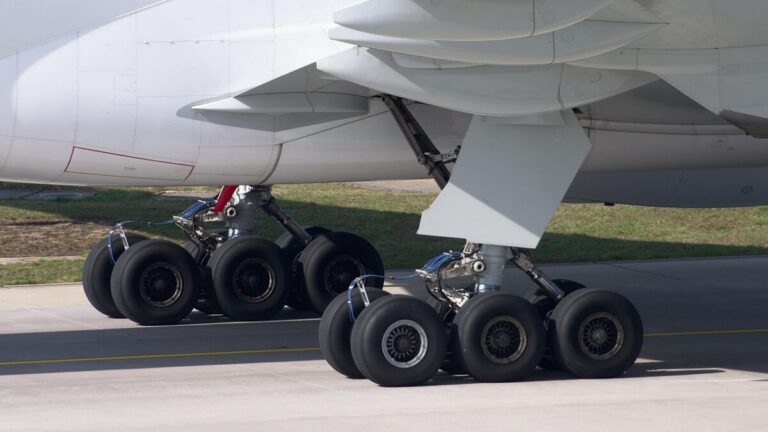
- Landing gear and its attachment points
- Flight control surface hinges and actuator fittings
Examples of secondary structure
- Fairings, such as the large wing-to-body fairing on an airliner and the fairings over flap tracks
- Non-structural access panels and doors
- Wing-tip and tail cones where they carry no main loads
- Interior floor panels and cabin linings, depending on the design
The boundary is set by the manufacturer for each aircraft. A part that looks minor can still be primary structure if it is in a load path, and some regulators and manufacturers add a third class, tertiary structure, for parts such as interior furnishings.
Why the classification matters
Design: primary structure must meet the full strength, fatigue and damage-tolerance requirements of the certification rules, with a safety factor of 1.5 between the limit load and the ultimate load it must survive. Secondary structure must still withstand its local loads and not come loose, but it does not need the same analysis.
Inspection: airline maintenance programmes list structurally significant items, mostly primary structure, that are checked at fixed intervals for cracks, corrosion and accidental damage.
Repair: damage to primary structure must be repaired using approved data, usually the manufacturer’s Structural Repair Manual or an engineering approval. Small dents in a fairing can often be dealt with by more general methods, such as those in FAA Advisory Circular 43.13-1B, within published limits.
A real example
On a military transport such as the Airbus A400M, the large shaped fairings under the wing that cover the flap mechanisms are secondary structure: they smooth the airflow, but the flaps and their tracks, which carry the loads, are primary structure. On an airliner, a damaged wing-to-body fairing panel may be deferred within limits, while a dent in a frame or spar is not.
Why it matters
The classification tells engineers and technicians how much care each part demands. Mistaking primary structure for secondary structure, or repairing it with the wrong data, can leave an aircraft weaker than certified.
Frequently Asked Questions
What is primary structure on an aircraft? Parts that carry the main loads and whose failure could endanger the aircraft.
Is a fairing primary or secondary structure? Usually secondary structure.
Who decides what is primary structure? The manufacturer, as part of the type design approved by the authorities.
References
- FAA Aviation Maintenance Technician Handbook – Airframe (FAA-H-8083-31), chapter 1: Aircraft Structures
- FAA Advisory Circular 43.13-1B, Acceptable Methods, Techniques and Practices – Aircraft Inspection and Repair
- EASA Easy Access Rules for Large Aeroplanes (CS-25)
Start the discussion
Commenting on this term: Primary and Secondary Structure in Aircraft Explained