Aviation Terms
Explore our comprehensive aviation dictionary covering essential terminology from aerodynamics to navigation. Filter by category, browse from A to Z, follow a topic lesson, or search for any term to deepen your aviation knowledge.
Airframe structures
How fuselage and wings are built to last. 10 terms, best read in this order.
-
1
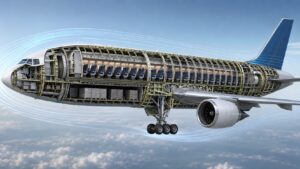 Aircraft Fuselage Explained: Meaning, Structure and FunctionAn aircraft fuselage is the main body of an aircraft, housing crew, passengers, cargo, systems, and key structural attachments.
Beginner
-
2
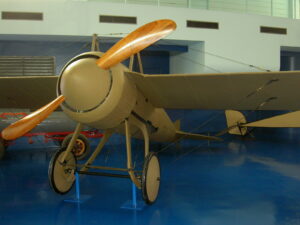 Monocoque and Semi-Monocoque Structure ExplainedIn a monocoque structure the outer skin carries almost all the loads, like an eggshell. A semi-monocoque adds frames, stringers and longerons that share the loads…
Intermediate
-
3
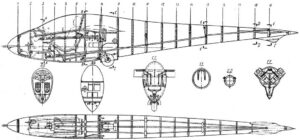 Longeron and Frame: The Skeleton of an Aircraft FuselageA longeron is a strong member running the length of the fuselage, while frames are the rings that give the fuselage its cross-section. With stringers and…
Intermediate
-
4
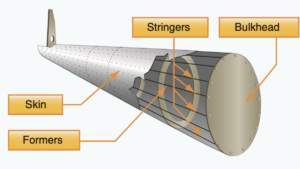 Aircraft Bulkhead Explained: Structure, Pressure and SafetyAn aircraft bulkhead is a structural partition that strengthens the fuselage, separates sections, and may help contain pressure or fire.
Advanced
-
5
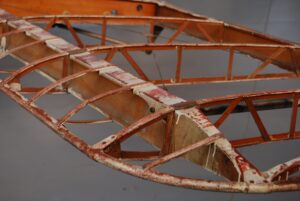 Spar, Rib and Stringer: How an Aircraft Wing Is BuiltAn aircraft wing is built around spars, the main spanwise beams. Ribs give the wing its aerofoil shape and stringers stiffen the skin, and together they…
Intermediate
-
6
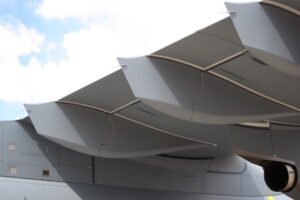 Primary and Secondary Structure in Aircraft ExplainedPrimary structure is any part that carries the aircraft's main flight, ground or pressure loads, and whose failure could endanger the aircraft. Secondary structure, such as…
Intermediate
-
7
 Fail-Safe and Damage-Tolerant Structure ExplainedAircraft structure is designed so that fatigue cracks are found before they become dangerous. Safe-life, fail-safe and damage-tolerance design are the three approaches, and modern airliners…
Advanced
-
8
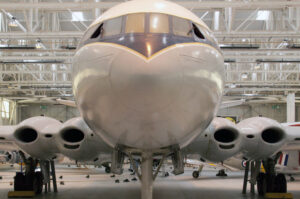 Metal Fatigue and the Pressurisation Cycle ExplainedMetal fatigue is the growth of cracks under repeated loads that are far below the strength of the part. For a pressurised airliner, every flight inflates…
Advanced
-
9
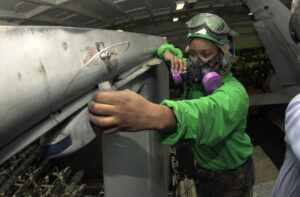 Aircraft Corrosion Explained: Types, Causes and PreventionCorrosion is the slow chemical attack of metal by its environment. On aircraft it can weaken structure out of sight, so it is prevented with coatings…
Intermediate
-
10
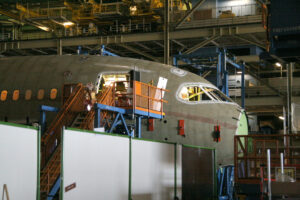 Composite Structure (CFRP) in Aircraft ExplainedA composite structure combines strong fibres, usually carbon or glass, with a resin that holds them in place. Carbon fibre reinforced plastic now makes up about…
Intermediate
Showing 91 of 91 terms
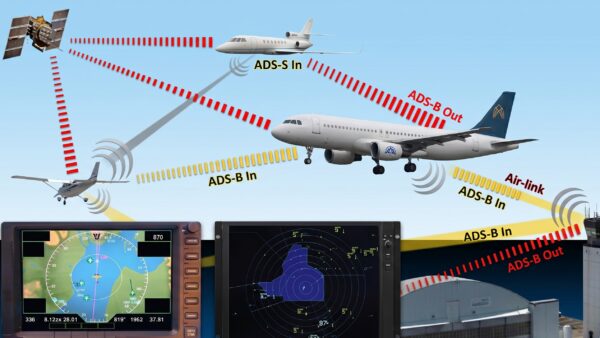
ADS-B (Automatic Dependent Surveillance–Broadcast)
ADS-B is a satellite-based surveillance technology that lets an aircraft broadcast its GPS position, speed and altitude, allowing air traffic control and…
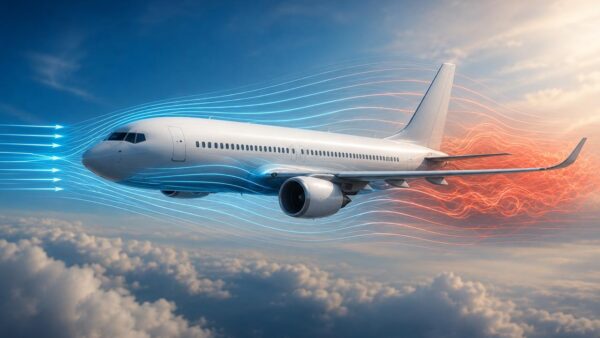
Aerodynamic Drag Explained: Meaning, Types and Flight Effect
Aerodynamic drag is the rearward force that opposes aircraft motion through the air and affects speed, fuel burn, and performance.
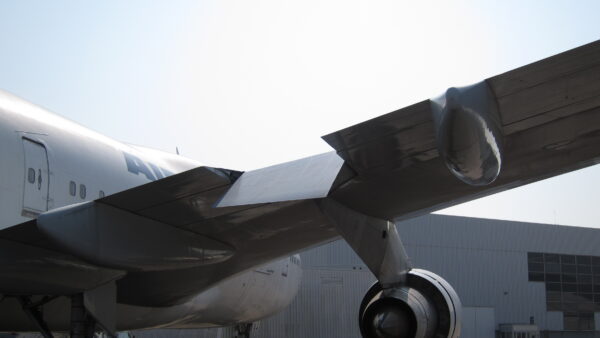
Aileron Explained: Meaning, Function and How It Rolls an Aircraft
Ailerons are the hinged surfaces near the wingtips that roll an aircraft. When one goes up, the other goes down, changing the…
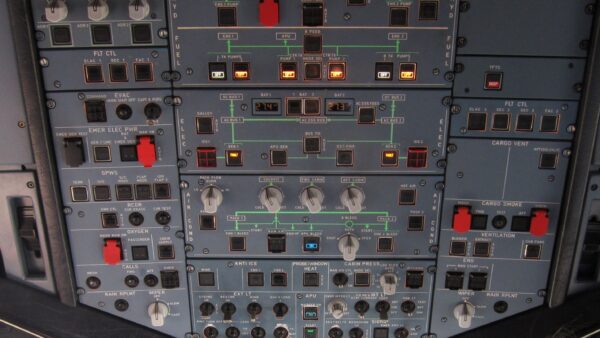
Air Cycle Machine and Air Conditioning Pack Explained
An air cycle machine is the turbine-and-compressor unit at the heart of an airliner's air conditioning pack. It cools hot bleed air…
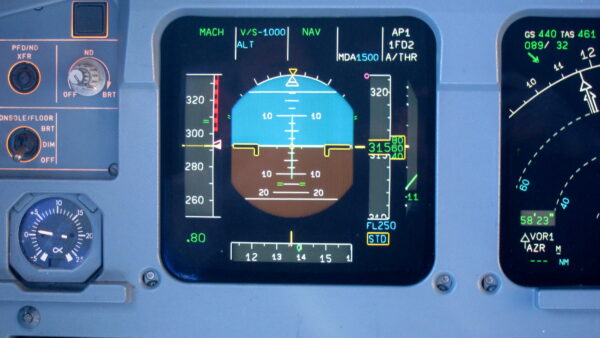
Air Data Computer and ADIRU: Where an Airliner's Flight Data Comes From
An air data computer turns the raw pressures and temperature measured outside the aircraft into airspeed, altitude, Mach number and vertical speed.…
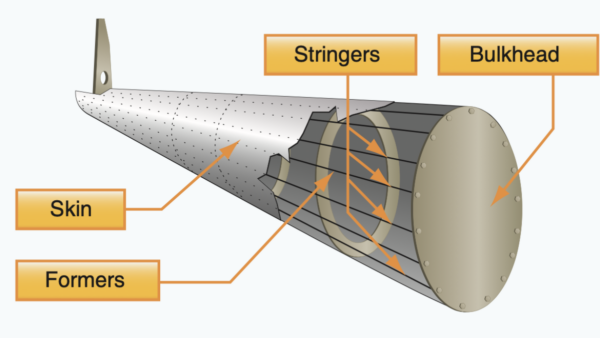
Aircraft Bulkhead Explained: Structure, Pressure and Safety
An aircraft bulkhead is a structural partition that strengthens the fuselage, separates sections, and may help contain pressure or fire.
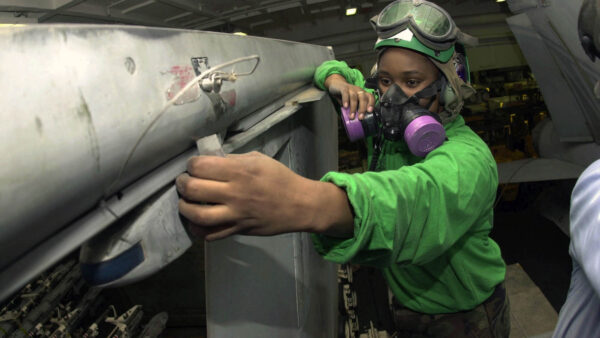
Aircraft Corrosion Explained: Types, Causes and Prevention
Corrosion is the slow chemical attack of metal by its environment. On aircraft it can weaken structure out of sight, so it…
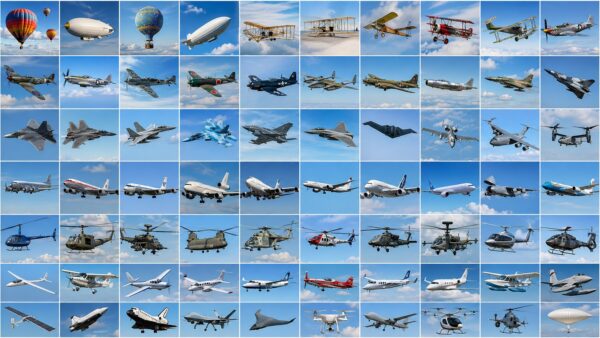
Aircraft Definition: Meaning, History and Types
Learn the aircraft definition, where the word comes from, and how aviation classifies airplanes, helicopters, balloons, gliders, and drones.
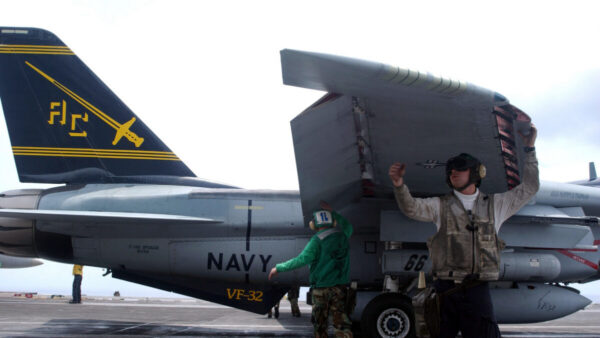
Aircraft Flap Explained: Meaning, Function and Types
An aircraft flap is a high-lift device on the wing that helps aircraft fly safely at lower speeds during takeoff and landing.
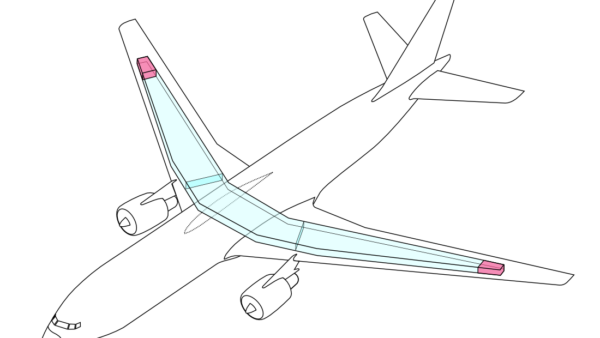
Aircraft Fuel System: Tanks, Boost Pumps and Crossfeed Explained
An airliner's fuel system stores fuel in the wings and centre tank and delivers it to the engines with electric boost pumps.…
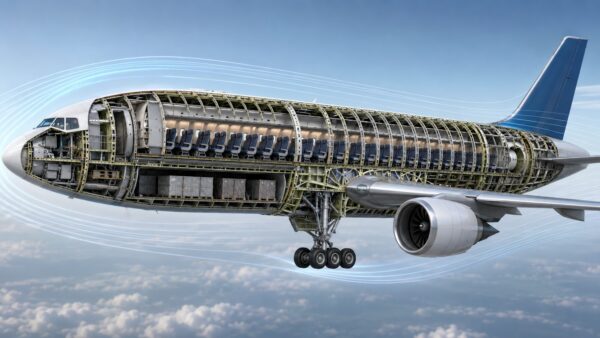
Aircraft Fuselage Explained: Meaning, Structure and Function
An aircraft fuselage is the main body of an aircraft, housing crew, passengers, cargo, systems, and key structural attachments.
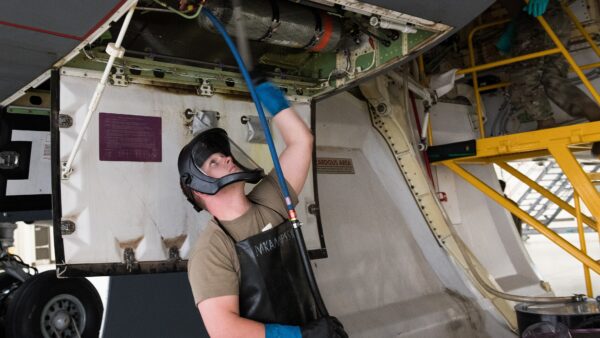
Aircraft Hydraulic System Explained: Pumps, PTU and Accumulators
An aircraft hydraulic system uses fluid under high pressure, usually 3,000 psi, to move flight controls, landing gear, flaps and brakes. Airliners…
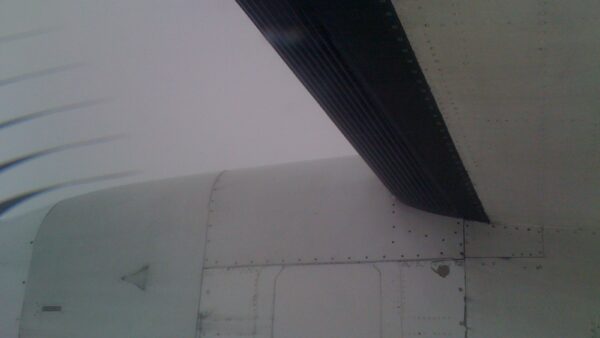
Aircraft Ice Protection: De-Icing Boots and Thermal Anti-Ice
Aircraft ice protection keeps ice off the wings, tail, engine intakes and propellers in flight. Anti-ice systems stop ice from forming, usually…
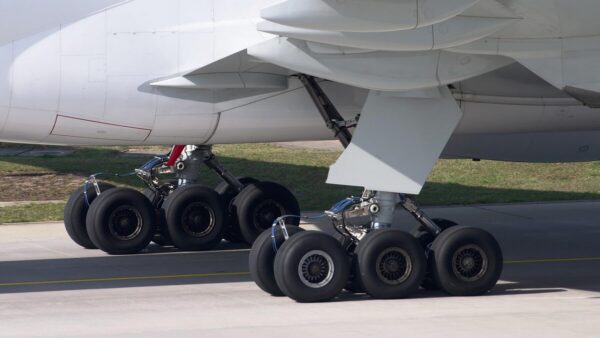
Aircraft Landing Gear Explained: Function, Types and Safety
Aircraft landing gear supports the aircraft on the ground, absorbs touchdown loads, and enables taxiing, braking, and steering.
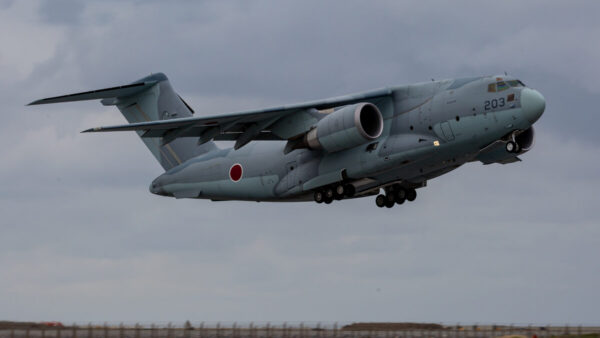
Aircraft Lift Explained: Meaning, Physics and Flight Role
Aircraft lift is the aerodynamic force that supports flight by acting mostly upward and helping an aircraft overcome its weight.
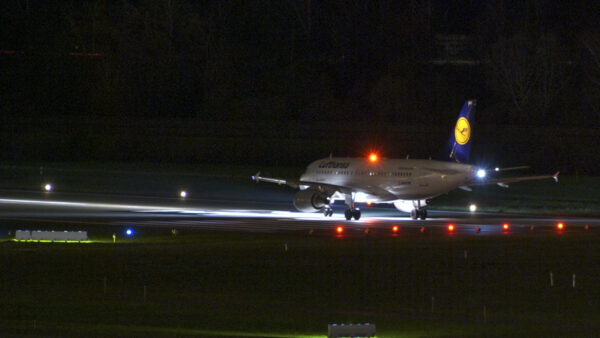
Aircraft Lights Explained: Navigation, Beacon, Strobe and Landing Lights
Aircraft carry several kinds of external lights: red, green and white navigation lights that show which way an aircraft is heading, flashing…
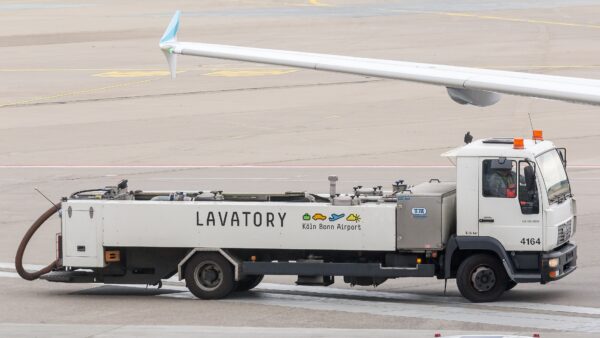
Aircraft Water and Waste Systems: How Airliner Toilets Work
An airliner's potable water system stores drinking water in tanks and delivers it to galleys and lavatory sinks, while the waste system…

Airport Apron Explained: Meaning, Uses and Components
An airport apron is the paved area where aircraft park, load passengers, handle cargo, refuel, and receive maintenance support.
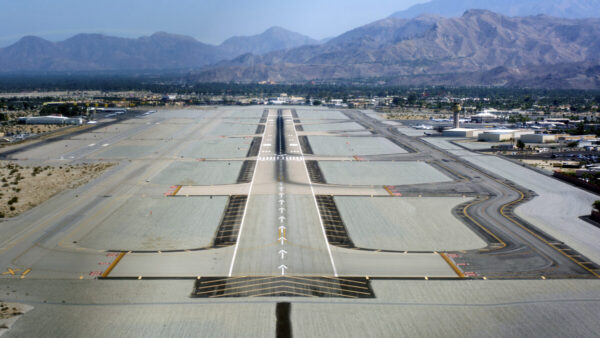
Airport Runway Explained: Meaning, Markings and Airport Use
A runway is the prepared airport surface where aircraft take off and land, supported by markings, lighting, pavement, and safety systems.
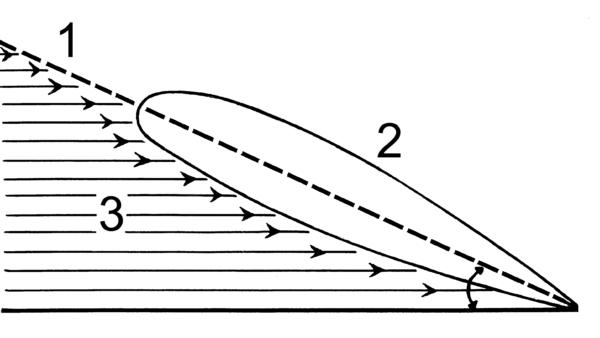
Angle of Attack Explained: Meaning, Critical Angle and Stall
The angle between a wing and the air flowing towards it decides how much lift the wing makes, and at what point…
Anti-Skid and Autobrake Systems Explained
Anti-skid is a braking system that stops an aircraft's wheels from locking and skidding. Autobrake applies the brakes automatically on landing or…
Area Rule: Why Supersonic Jets Have a Wasp Waist
The area rule, discovered by NACA engineer Richard Whitcomb in 1952, shows that wave drag near Mach 1 depends on how the…
Aspect Ratio Explained: Wing Shape and Aircraft Performance
Aspect ratio compares wingspan with wing area and helps explain why gliders have long narrow wings while fighter jets use shorter wings.
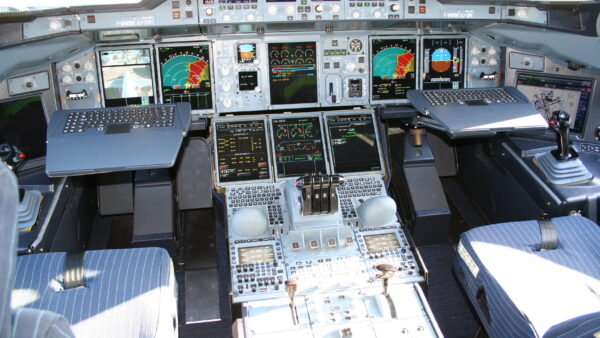
Autopilot and Autothrottle Explained: How Airliners Fly Themselves
An autopilot is a system that moves an aircraft's flight controls to follow a path chosen by the pilots, while the autothrottle…
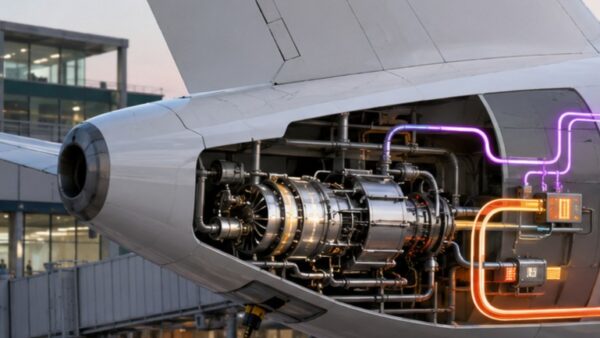
Auxiliary Power Unit Explained: APU Function in Aircraft
An auxiliary power unit is a small onboard power source that supplies aircraft electricity, bleed air, and engine-start support.

Bernoulli's Principle Explained: Airflow, Pressure and Lift
Bernoulli's Principle explains how faster-moving airflow has lower static pressure, helping describe pressure differences around aircraft wings.
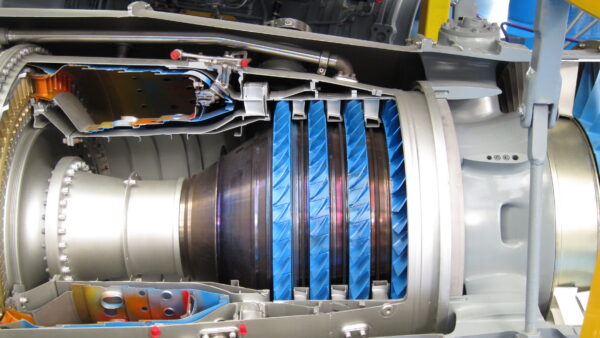
Bleed Air Explained: How Jet Engines Supply Air to the Aircraft
Bleed air is hot, compressed air taken from the compressor stages of a turbine engine or APU. Airliners use it to pressurise…
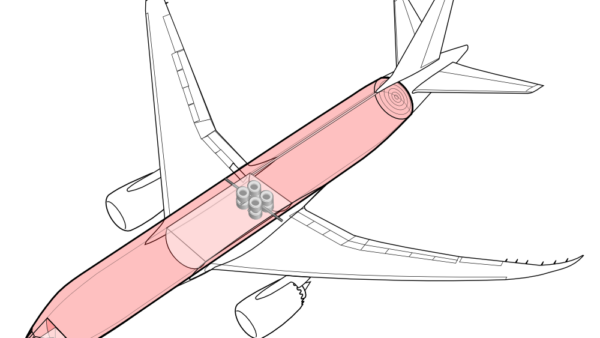
Cabin Altitude Explained: How High Is the Air Inside an Airliner?
Cabin altitude is the altitude in the standard atmosphere that has the same air pressure as the inside of an aircraft cabin.…
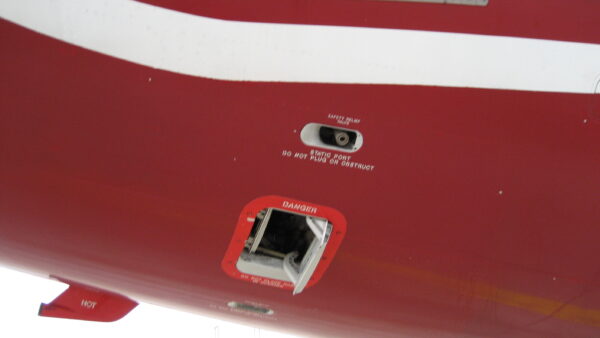
Cabin Pressurisation and the Outflow Valve Explained
Cabin pressurisation keeps the air pressure inside an aircraft high enough to breathe at cruising altitude. Air is pumped in by the…
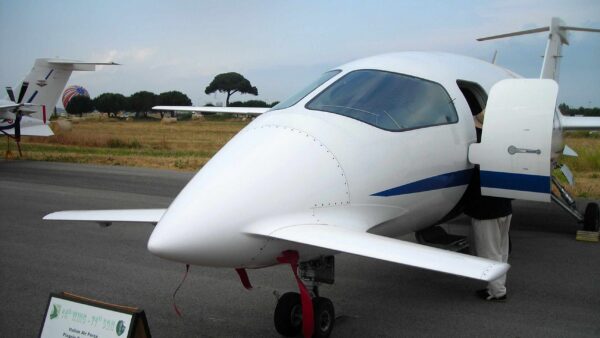
Canard Explained: The Foreplane in Front of the Wing
A canard is a small horizontal surface in front of the main wing. It does the job of a conventional tailplane, but…
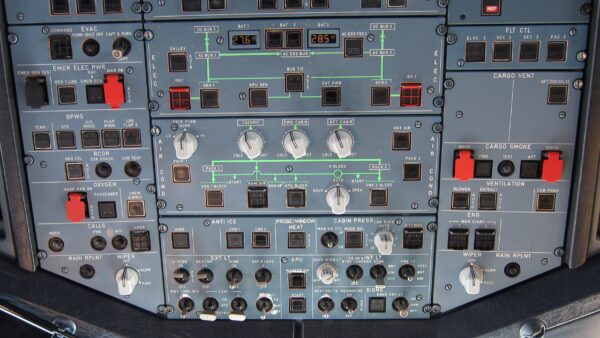
Cargo Smoke Detection: How Airliners Protect the Hold From Fire
Cargo smoke detection is the system of smoke detectors in an aircraft's cargo holds that warns the flight crew of a fire.…
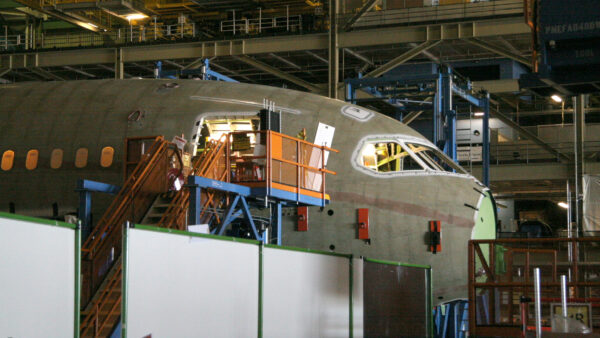
Composite Structure (CFRP) in Aircraft Explained
A composite structure combines strong fibres, usually carbon or glass, with a resin that holds them in place. Carbon fibre reinforced plastic…

Crew Resource Management Explained: CRM in Aviation Safety
Crew resource management is aviation safety training that improves communication, teamwork, leadership, and decision making in flight operations.
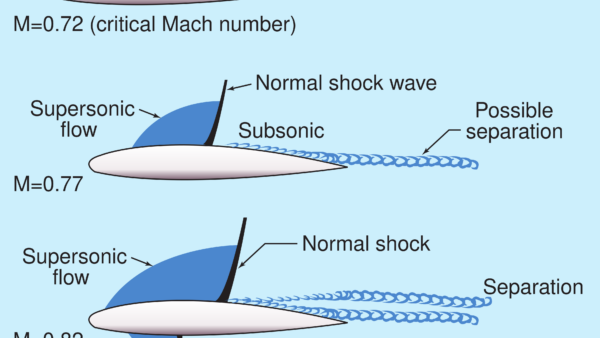
Critical Mach Number: When Airflow Over the Wing Goes Supersonic
The critical Mach number is the speed at which the air flowing over the wing first reaches Mach 1 somewhere, even though…
Cross-Check Explained: Meaning and Use in Aviation Safety
A cross-check is an aviation safety procedure where crew members verify actions, instruments, or configurations to prevent errors.
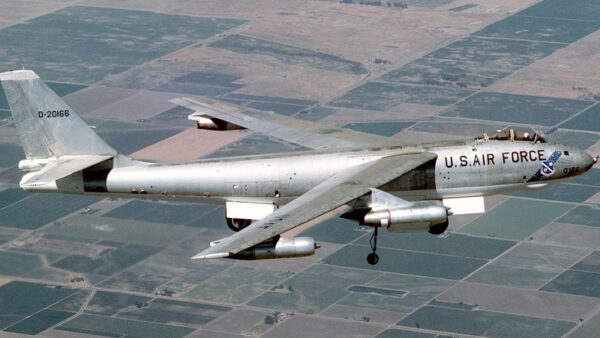
Dutch Roll and the Yaw Damper Explained
Dutch roll is a combined wagging and rocking motion in which an aircraft yaws and rolls from side to side. Swept-wing jets…
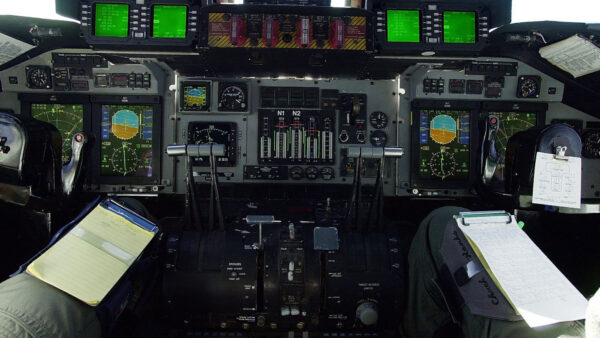
EFIS Explained: The Electronic Flight Instrument System
An electronic flight instrument system (EFIS) replaces the traditional mechanical dials in a cockpit with screens. The primary flight display shows attitude,…
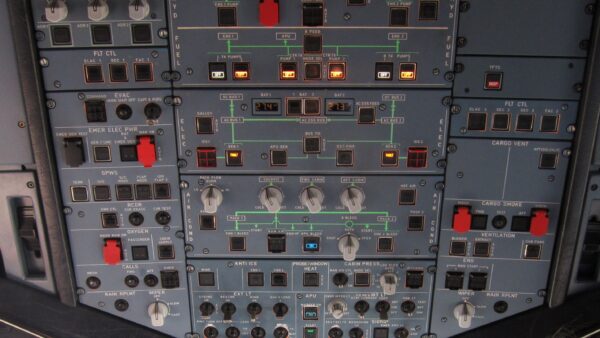
EGPWS and TAWS: Terrain Warning Systems Explained
EGPWS (Enhanced Ground Proximity Warning System) is a terrain awareness and warning system (TAWS) that alerts pilots when the aircraft is in…
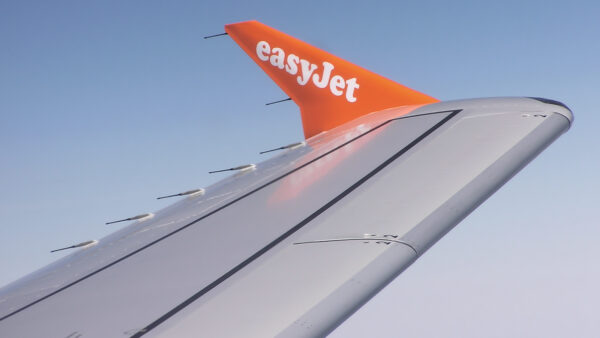
Electrical Bonding and Static Wicks: Managing Static on Aircraft
Electrical bonding connects all the metal parts of an aircraft so they stay at the same electrical potential, and static wicks on…
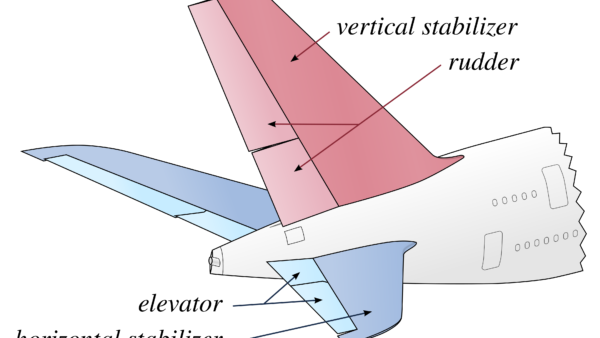
Elevator Explained: How Aircraft Control Pitch
The elevator is the hinged surface on the back of the horizontal tail. Moving it changes the tail's downforce, so the nose…
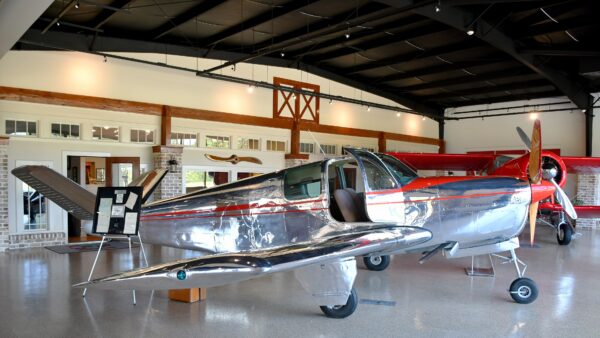
Elevon, Ruddervator and Flaperon: Combined Control Surfaces
Some aircraft combine two jobs in one control surface. Elevons work as elevator and aileron, ruddervators as rudder and elevator, and flaperons…
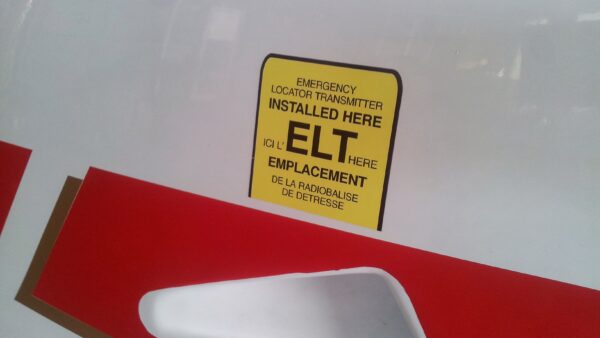
Emergency Locator Transmitter (ELT): How Crashed Aircraft Are Found
An emergency locator transmitter (ELT) is a radio beacon that starts transmitting automatically after a crash. Its 406 MHz signal is picked…
Emergency Oxygen on Airliners: Masks and Chemical Generators
Emergency oxygen protects passengers and crew if an airliner loses cabin pressure. Passenger masks drop automatically and are usually fed by chemical…
Engine Fire Detection and Extinguishing: Fire Loops and Bottles
Engine fire detection uses heat-sensing loops around the engine to warn the crew of a fire or overheat. The fire handle then…
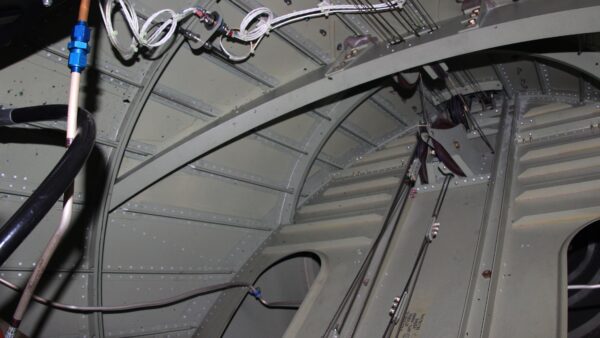
Fail-Safe and Damage-Tolerant Structure Explained
Aircraft structure is designed so that fatigue cracks are found before they become dangerous. Safe-life, fail-safe and damage-tolerance design are the three…

Flight Deck Explained: Aircraft Cockpit and Carrier Meaning
A flight deck can mean the control center of a large aircraft or the launch and landing area on an aircraft carrier,…
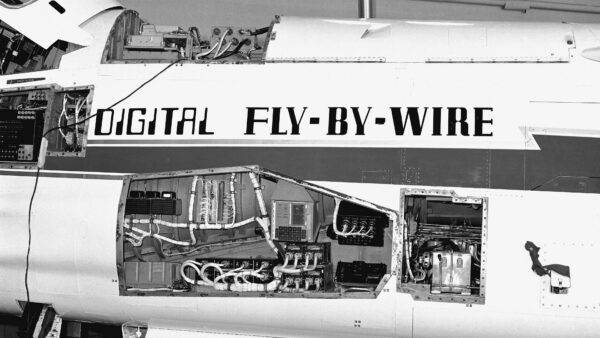
Fly-by-Wire Explained: Flight Controls Run by Computers
Fly-by-wire is a flight control system in which the pilot's inputs are sent as electrical signals to computers, which then move the…
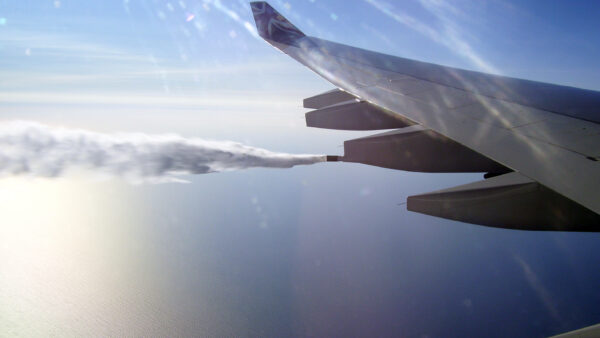
Fuel Jettison (Fuel Dumping): Why and How Aircraft Dump Fuel
Fuel jettison, or fuel dumping, is a system that lets an aircraft release fuel in flight to reduce its weight quickly, usually…
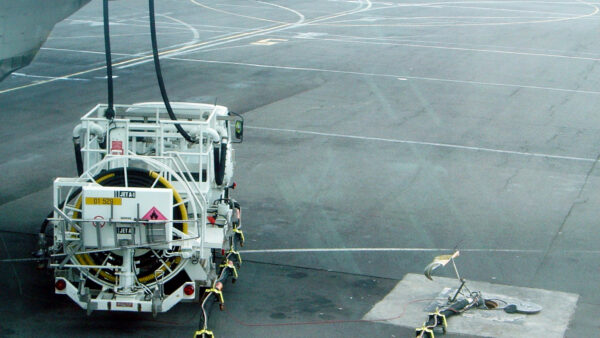
Fuel Tank Inerting: How Nitrogen Keeps Airliner Fuel Tanks Safe
Fuel tank inerting is a safety system that fills the empty space above the fuel in an aircraft's tanks with nitrogen-enriched air.…
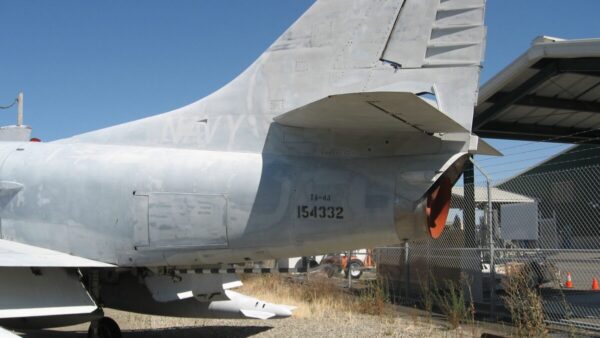
Horizontal Stabilizer Explained: Pitch Stability and Control
A horizontal stabilizer is a tail surface that helps keep an aircraft stable in pitch and supports elevator control during flight.
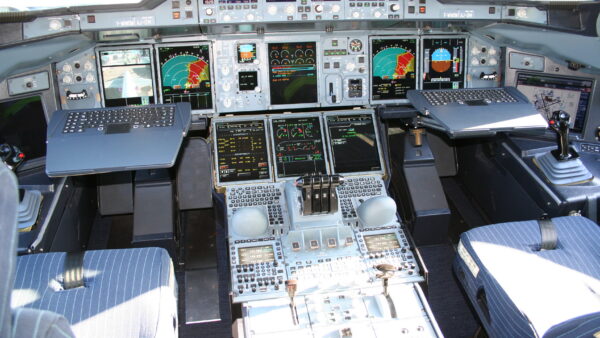
Integrated Modular Avionics (IMA): Shared Computers in Modern Jets
Integrated modular avionics (IMA) replaces dozens of separate avionics boxes with a few shared computing modules, each running several aircraft functions in…
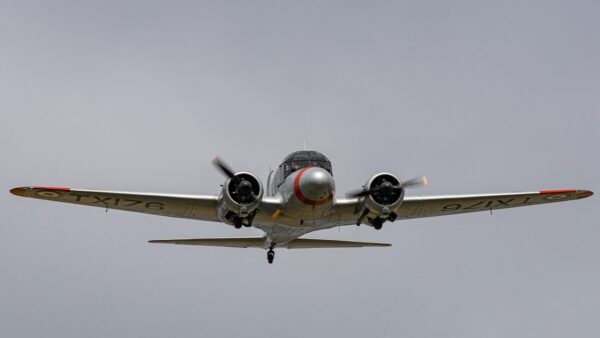
Leading Edge Explained: Wing Anatomy and Airflow Role
The leading edge is the front part of a wing, tail, rotor, or propeller blade that first meets the oncoming airflow.
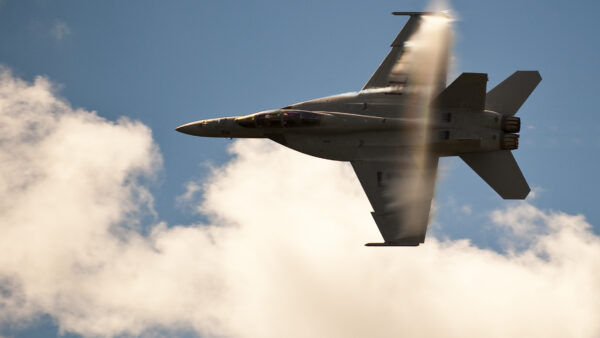
Load Factor Explained: G-Forces, Turns and Structural Limits
Load factor is the total load on an aircraft divided by its weight, expressed in g. It rises in turns, pull-ups and…
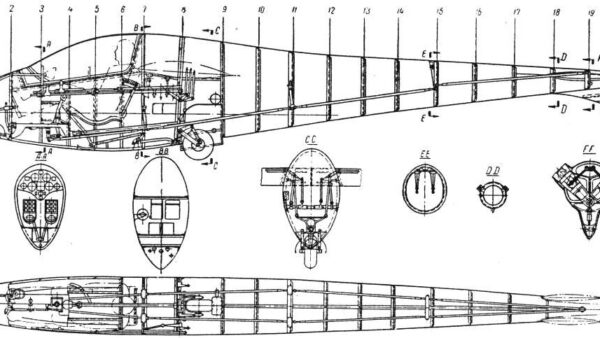
Longeron and Frame: The Skeleton of an Aircraft Fuselage
A longeron is a strong member running the length of the fuselage, while frames are the rings that give the fuselage its…
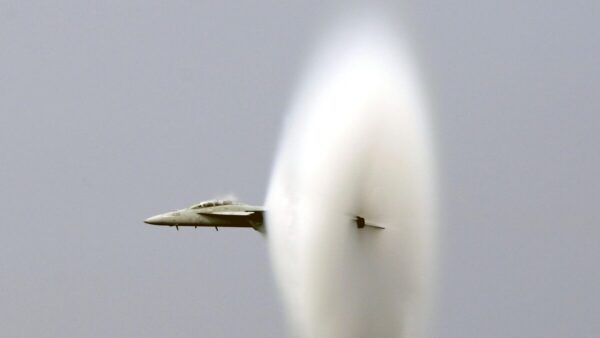
Mach Number Explained: Meaning, Formula and Flight Speeds
Mach number compares an aircraft’s true speed with the local speed of sound and helps explain transonic, supersonic, and hypersonic flight.
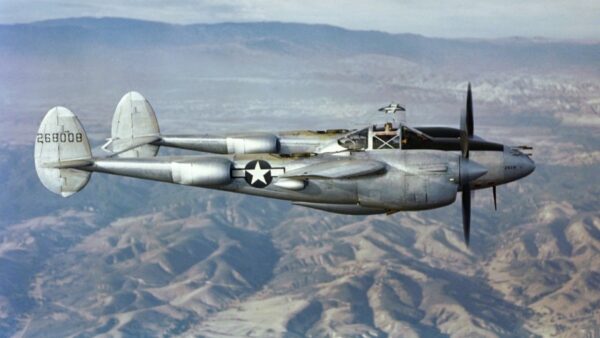
Mach Tuck Explained: Why the Nose Drops Near Mach 1
Mach tuck is a nose-down tendency at high subsonic speed. Shock waves move the wing's centre of lift aft, so the nose…
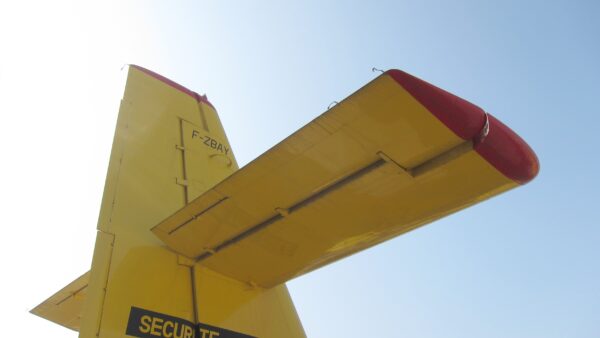
Mass Balance and Aerodynamic Balance of Control Surfaces
Control surfaces are balanced in two ways. A mass balance puts weight ahead of the hinge line to prevent flutter, and aerodynamic…
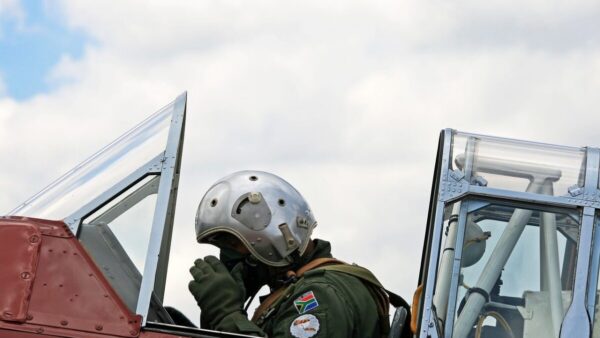
Mayday Explained: The Aviation Distress Call and How It Works
Mayday is the international aviation distress call used when an aircraft faces a serious and immediate emergency requiring help.
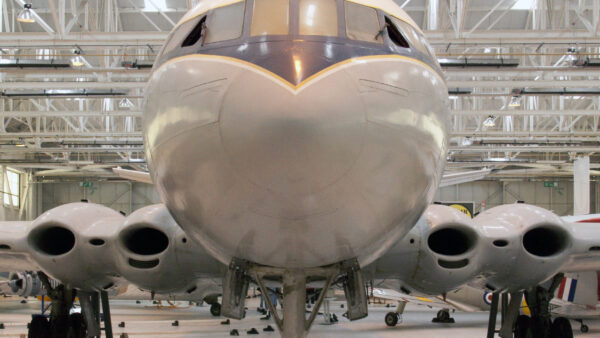
Metal Fatigue and the Pressurisation Cycle Explained
Metal fatigue is the growth of cracks under repeated loads that are far below the strength of the part. For a pressurised…
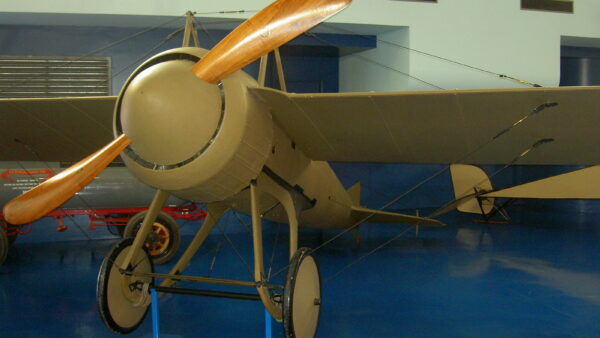
Monocoque and Semi-Monocoque Structure Explained
In a monocoque structure the outer skin carries almost all the loads, like an eggshell. A semi-monocoque adds frames, stringers and longerons…
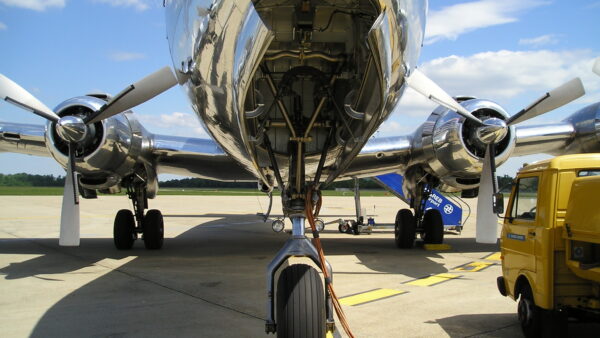
Nosewheel Steering Explained: How Aircraft Turn on the Ground
Nosewheel steering is the system that turns an aircraft's nose wheel so it can be steered on the ground. Airliners use a…
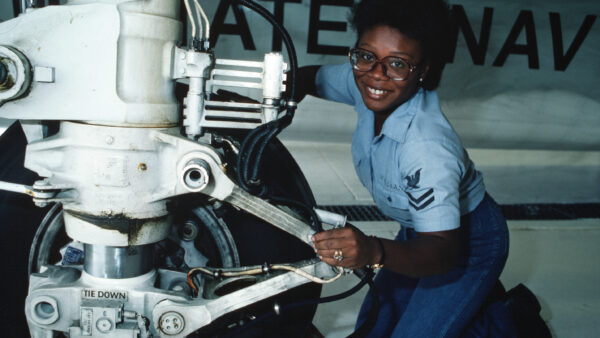
Oleo Strut Explained: The Shock Absorber in Aircraft Landing Gear
An oleo strut is the oleo-pneumatic shock absorber used in most aircraft landing gear. It uses compressed nitrogen as a spring and…
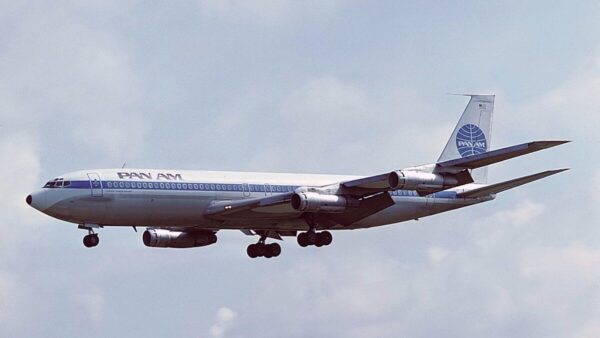
Pan-Pan Call Explained: Aviation Urgency Call and Meaning
Pan-Pan is an aviation urgency call used when an aircraft has a serious problem but is not in immediate life-threatening danger.
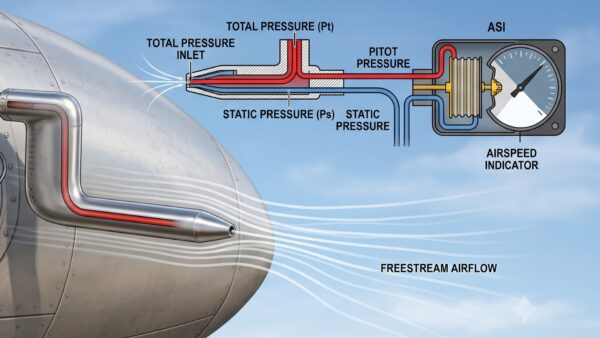
Pitot Tube Explained: Meaning, Function and Aviation Use
A pitot tube is a small pressure probe that helps aircraft measure airspeed by sensing airflow pressure during flight.
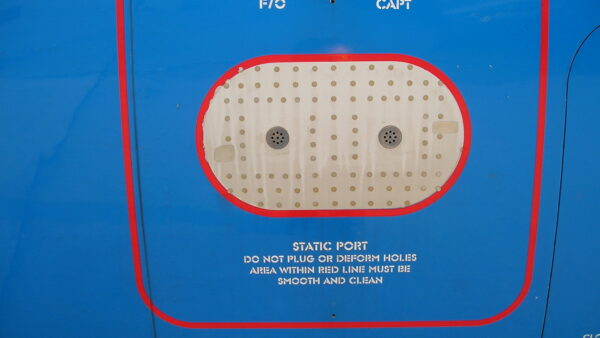
Pitot-Static System and Static Ports Explained
The pitot-static system measures the air pressures that an aircraft's airspeed indicator, altimeter and vertical speed indicator need. Pitot tubes measure total…
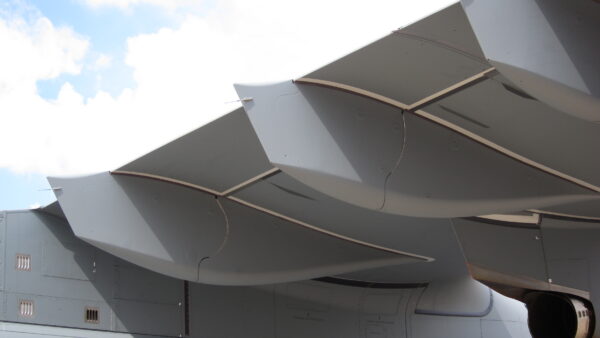
Primary and Secondary Structure in Aircraft Explained
Primary structure is any part that carries the aircraft's main flight, ground or pressure loads, and whose failure could endanger the aircraft.…
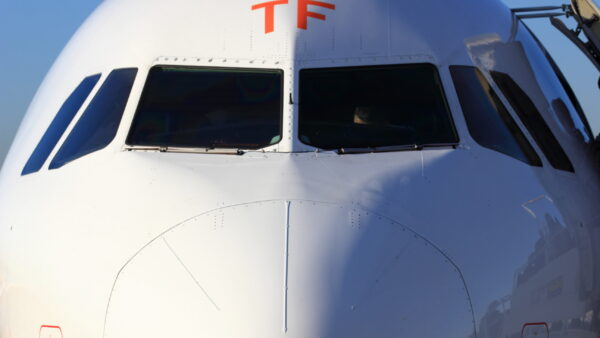
Rain Protection: Windshield Wipers, Repellent and Coatings
Rain protection keeps the pilots' windshields clear in heavy rain during take-off, approach and landing. Airliners use windshield wipers, and some also…
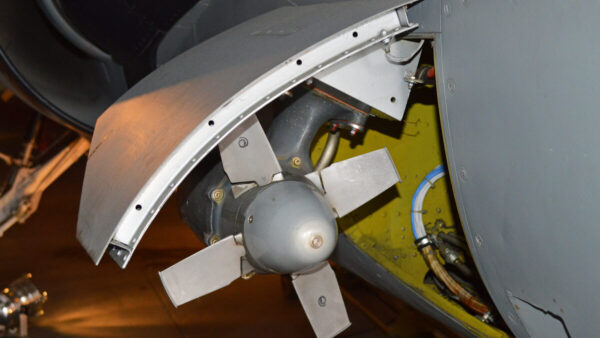
Ram Air Turbine Explained: RAT Emergency Power System
A ram air turbine is a small deployable turbine that uses airflow to provide emergency electrical or hydraulic power to an aircraft.
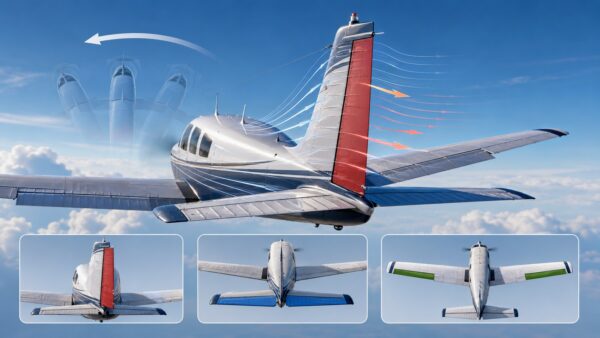
Rudder Explained: Meaning, Function and Use in Aircraft
A rudder is a primary flight control surface that helps control yaw, improve coordination, and support directional stability in aircraft.

Shock Wave and Wave Drag Explained for Aircraft
A shock wave forms when an aircraft or part of its airflow moves faster than sound. Across the shock, pressure and temperature…
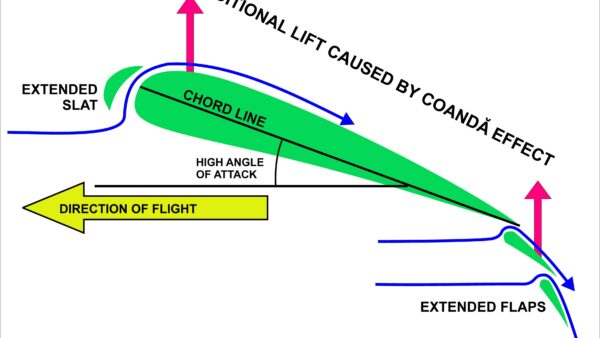
Slat Explained: Leading-Edge Slats and Krueger Flaps
Slats are movable sections of the wing's leading edge. When they extend, they open a narrow slot that lets air flow smoothly…
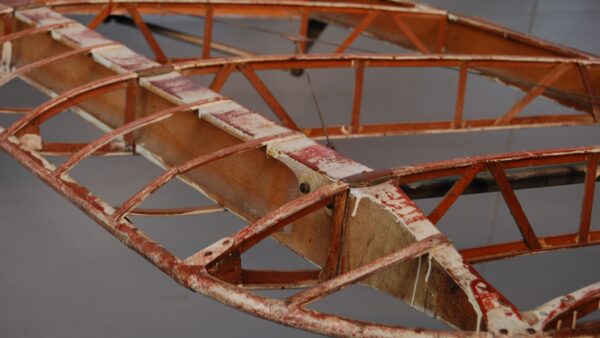
Spar, Rib and Stringer: How an Aircraft Wing Is Built
An aircraft wing is built around spars, the main spanwise beams. Ribs give the wing its aerofoil shape and stringers stiffen the…
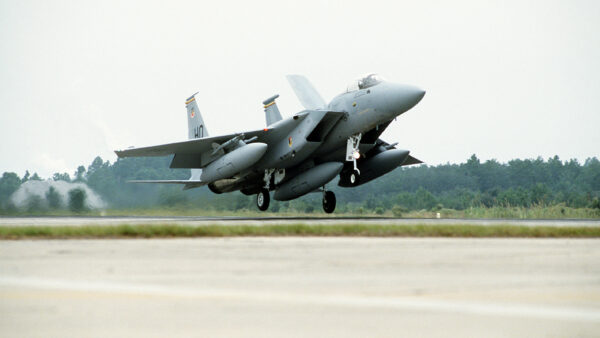
Speed Brake Explained: How Aircraft Slow Down in Flight
A speed brake, or air brake, adds drag so that an aircraft can slow down or descend steeply without gaining speed. Airliners…
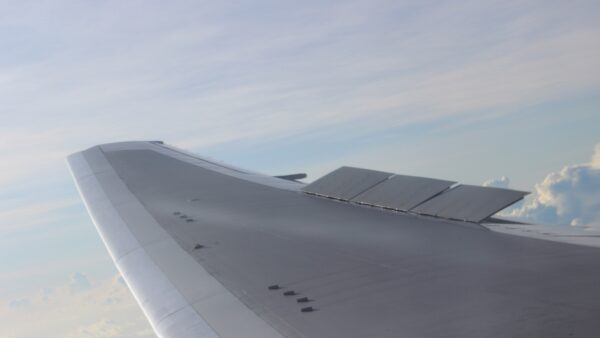
Spoiler Explained: Flight Spoilers, Ground Spoilers and Lift Dumpers
Spoilers are hinged panels on the upper surface of the wing. Raised in flight they slow the aircraft and help roll it;…
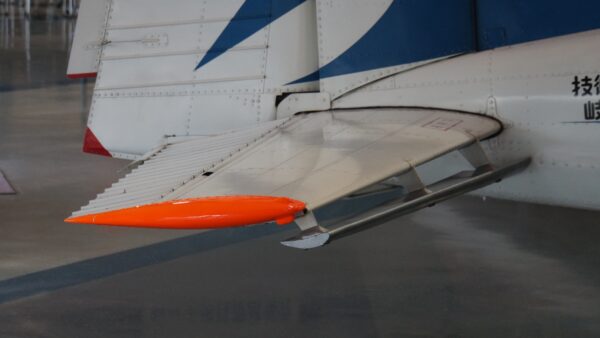
Stabilator Explained: The All-Moving Horizontal Tail
A stabilator is a horizontal tail that moves as a single piece instead of using a separate elevator. It is common on…
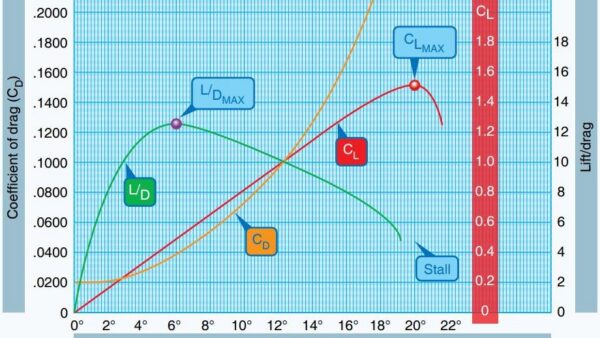
Stall and Stall Speed Explained: Why a Wing Stops Lifting
A stall is a loss of lift that happens when the wing meets the air at too steep an angle, not because…
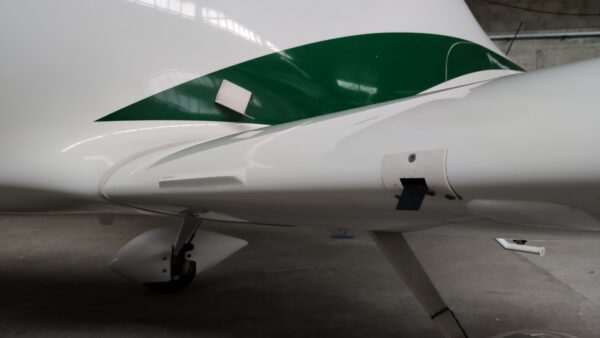
Stall Strip Explained: Making the Wing Root Stall First
A stall strip is a small triangular strip fixed to the inboard leading edge of a wing. At high angles of attack…
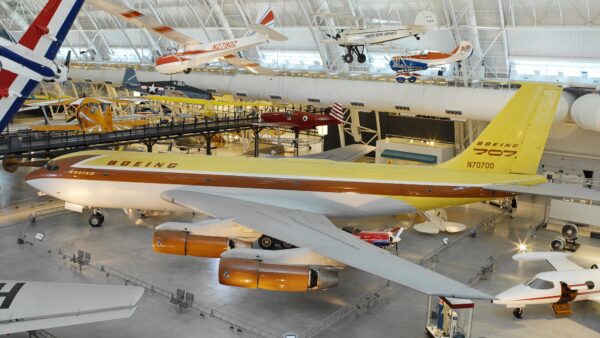
Swept Wing Explained: Why Jet Wings Angle Backwards
Almost every jet airliner has a swept wing. Angling the wing backwards lets the aircraft fly closer to the speed of sound…
Taxiway Explained: Meaning, Markings and Airport Use
A taxiway is an airport ground route that connects runways, aprons, hangars, and terminals for safe aircraft movement.
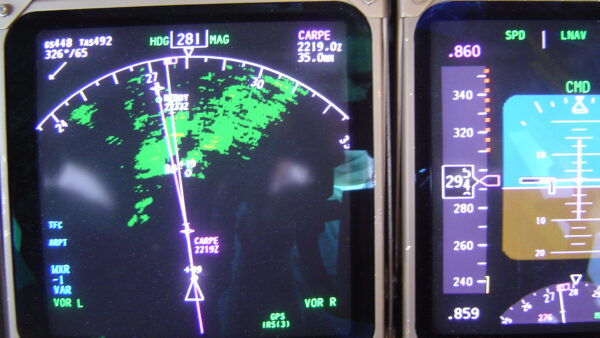
TCAS Explained: How Airliners Avoid Mid-Air Collisions
TCAS (Traffic Alert and Collision Avoidance System) is an airborne system that tracks nearby aircraft through their transponders. It gives traffic advisories…
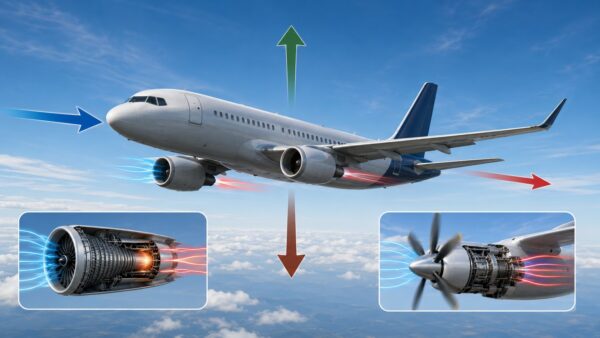
Thrust Explained: Meaning, Force and Aircraft Propulsion
Thrust is the propulsive force that moves an aircraft forward and helps it overcome drag during takeoff, climb, cruise, and flight.
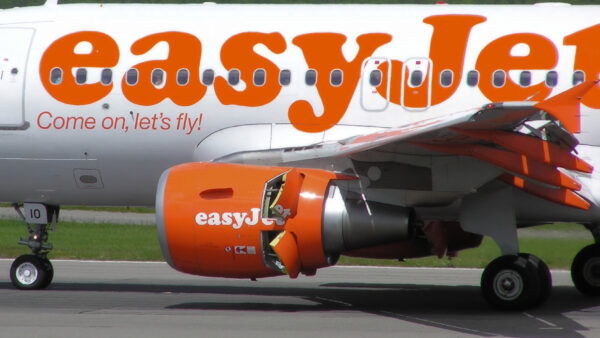
Thrust Reverser Explained: How Jets Slow Down After Landing
A thrust reverser is a device on a jet engine that redirects the engine's airflow forwards after landing, adding braking force and…
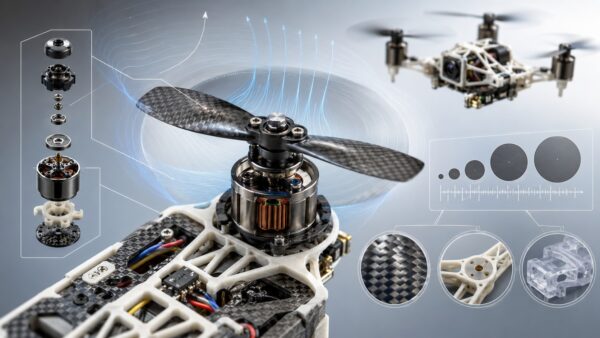
Tiny Rotor Explained: Meaning, Design and Uses
A tiny rotor is a miniature lifting or propeller component used in micro drones, nano UAVs, and small aerial systems.
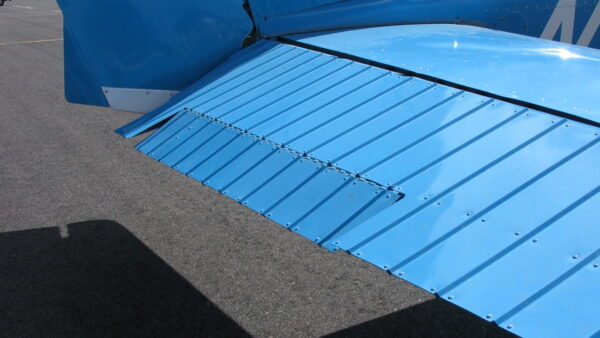
Trim Tab Explained: Trim, Balance, Anti-Balance and Servo Tabs
Trim tabs are small hinged surfaces on the trailing edge of the elevator, rudder or ailerons. They use the airflow to hold…
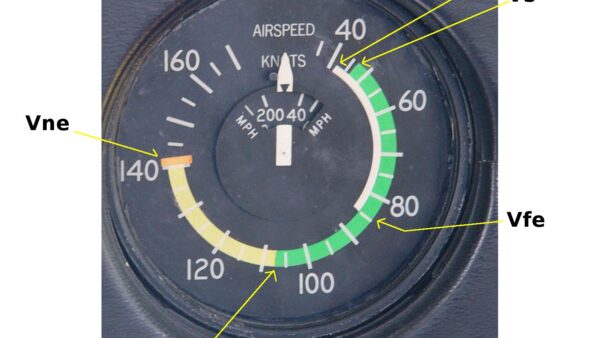
V-Speeds Explained: V1, VR, V2, Vref and the Airspeed Arcs
V-speeds are standard airspeeds, each named with a V and a suffix, that mark an aircraft's limits and the key moments of…
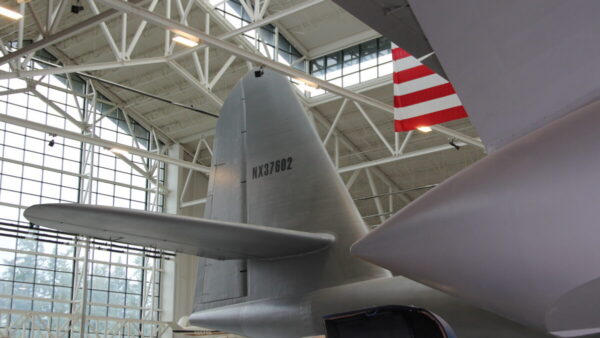
Vertical Stabilizer
Quick Definition In aviation, the vertical stabilizer (commonly known as the tail fin) is the static, upright aerodynamic surface located at the rear of…
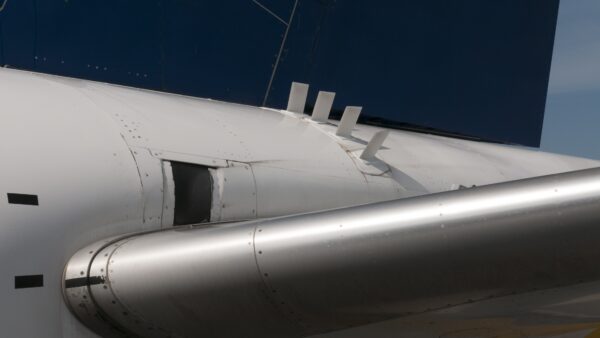
Vortex Generator Explained: Small Vanes That Delay a Stall
Vortex generators are rows of small vanes on wings, tails and engine nacelles. Each one sheds a tiny vortex that mixes fast…
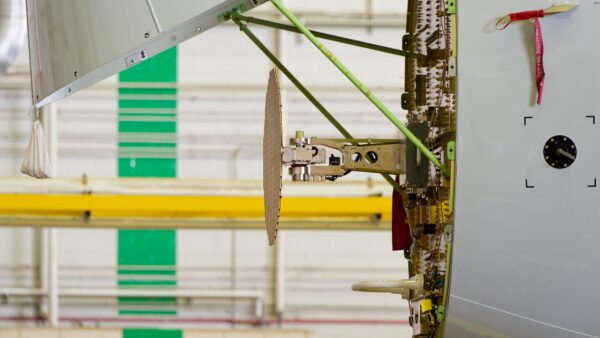
Weather Radar Explained: How Pilots See Storms Ahead
Airborne weather radar is a radar in the nose of an aircraft that detects rain, hail and thunderstorms ahead and shows them…
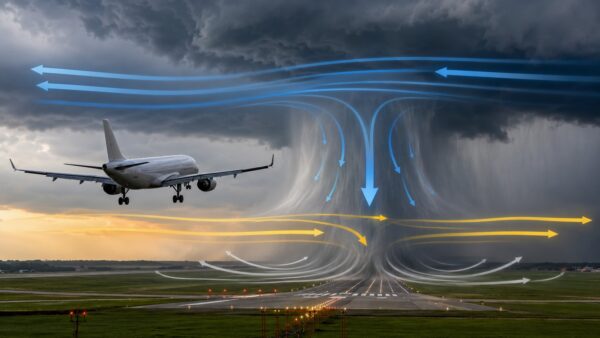
Wind Shear Explained: Meaning, Types and Aviation Risk
Wind shear is a sudden change in wind speed or direction over a short distance, creating important risks for aircraft during flight.
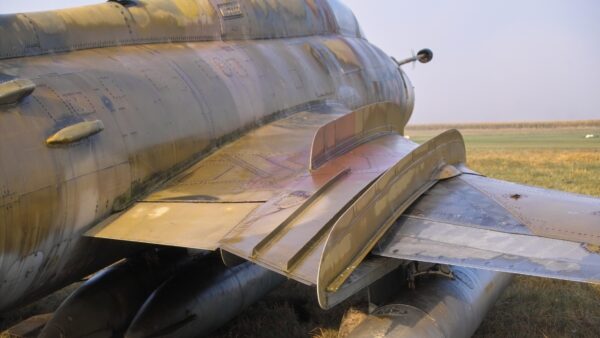
Wing Fence Explained: Stopping Spanwise Flow on Swept Wings
A wing fence is a thin plate running front to back across the top of a swept wing. It stops the boundary…
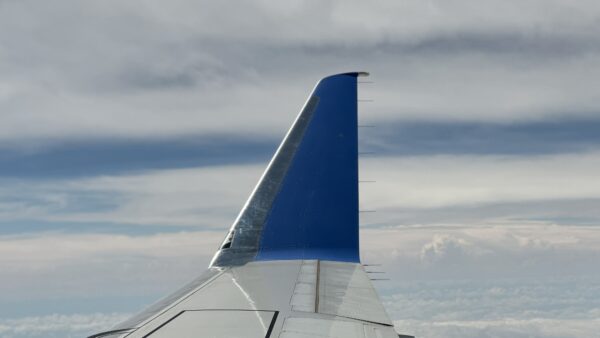
Winglet Explained: Meaning, Function and Types
A winglet is a wingtip device that helps reduce drag, control wingtip vortices, and improve the efficiency of fixed-wing aircraft.