Stabilator Explained: The All-Moving Horizontal Tail
A stabilator is a horizontal tail that moves as a single piece instead of using a separate elevator. It is common on Piper light aircraft and on fighter jets, where it keeps pitch control effective at supersonic speed.
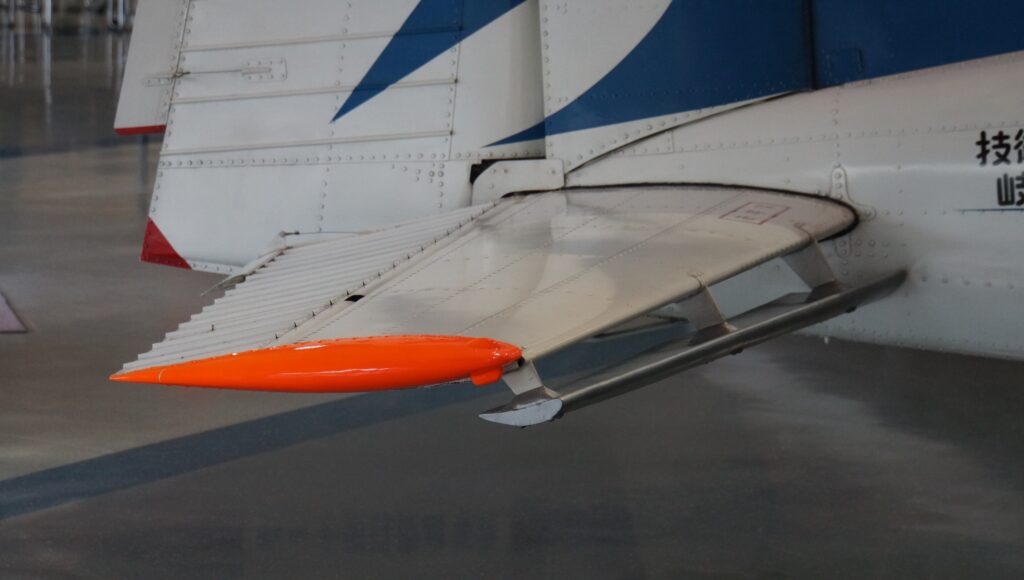
A stabilator is a one-piece horizontal tail that pivots as a whole around a hinge point to control pitch. The name combines “stabilizer” and “elevator”, because the single surface does both jobs: it keeps the aircraft stable in pitch and it moves to raise or lower the nose. Aircraft with a stabilator have no separate elevator.
How a stabilator works
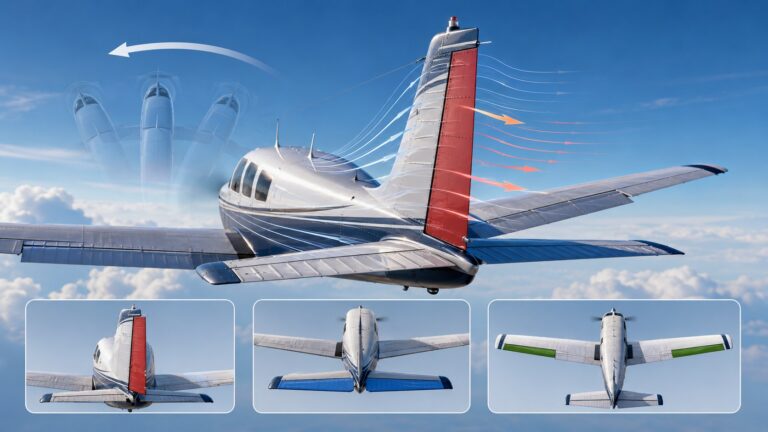
On a conventional tail, only the rear part, the elevator, moves. On a stabilator, the whole surface changes its angle when the pilot pulls or pushes the controls. Because the entire surface moves, a small deflection produces a large change in tail force. This makes the stabilator very powerful, but it also means it could feel too light and sensitive to the pilot.
To prevent over-controlling, most light-aircraft stabilators have an anti-servo tab (also called an anti-balance tab) along the trailing edge. It moves in the same direction as the trailing edge of the stabilator, which increases the force the pilot must apply and gives a more natural feel. The same tab is usually adjustable from the cockpit and also serves as the pitch trim.
Where you find stabilators
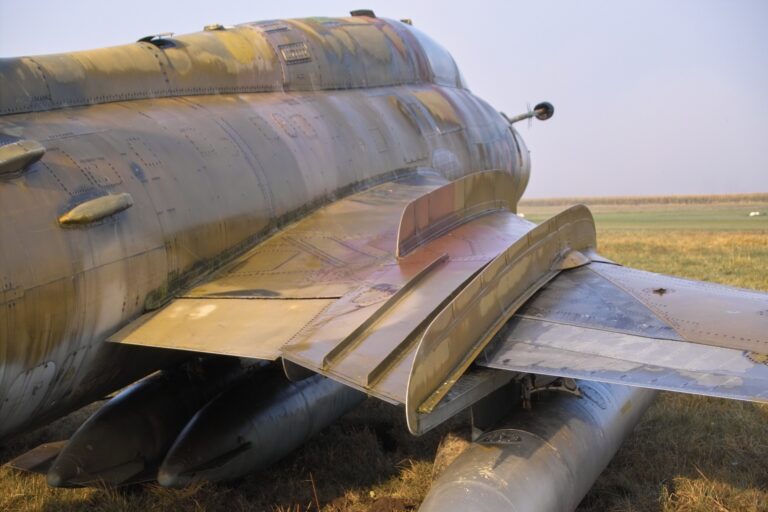
The Piper PA-28 Cherokee family, including the Warrior and Archer, the Piper Arrow and the Cessna 177 Cardinal all have stabilators, as do many other light aircraft. Fighter jets use them for a different reason. Near the speed of sound, shock waves on the tail can make a hinged elevator lose much of its effect. Designers found that moving the whole tail kept pitch control effective, and the North American F-86 Sabre introduced an all-flying tail in its F-86E version. Today fighters such as the F-15, F-16 and F-35 have all-moving tails, and on many of them the left and right halves can move differently to help with roll as well.
Stabilator compared with an elevator
A conventional horizontal stabilizer with an elevator is simpler to make stable and gives a gentler feel. A stabilator is smaller for the same control power and stays effective at high speeds, but it needs careful balancing, mass balance weights and the anti-servo tab. Pilots moving from a Cessna 172 to a Piper Warrior usually notice the different pitch feel at once.
Why the term matters
The stabilator shows how the same task, pitch control, can be solved in different ways depending on the aircraft’s speed and size. It also explains a detail many student pilots see on the ramp: the small tab on the Piper’s tail that moves “the wrong way”.
Frequently asked questions
What is a stabilator? A horizontal tail that moves as one piece to control pitch.
Why do stabilators have an anti-servo tab? To make the controls heavier and prevent the pilot from over-controlling the powerful surface.
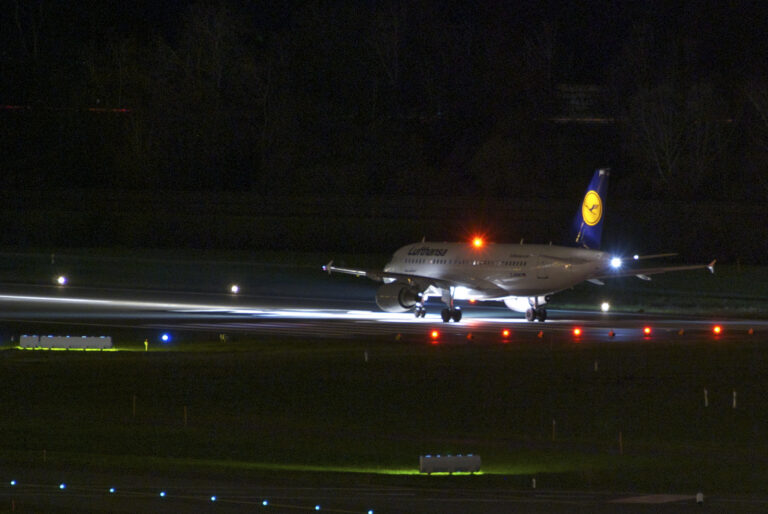
Do airliners use stabilators? Not in the same way. Airliners move the whole horizontal stabilizer slowly for trim but use separate elevators for control.
References
- FAA Pilot’s Handbook of Aeronautical Knowledge (FAA-H-8083-25), chapter 6: Flight Controls
- FAA Aviation Maintenance Technician Handbook – Airframe (FAA-H-8083-31), chapter 2: Aerodynamics, Aircraft Assembly and Rigging
- NASA Glenn Research Center, Beginner’s Guide to Aeronautics: Airplane parts and function
Start the discussion
Commenting on this term: Stabilator Explained: The All-Moving Horizontal Tail