






Last Updated: 4 days ago
About This Video
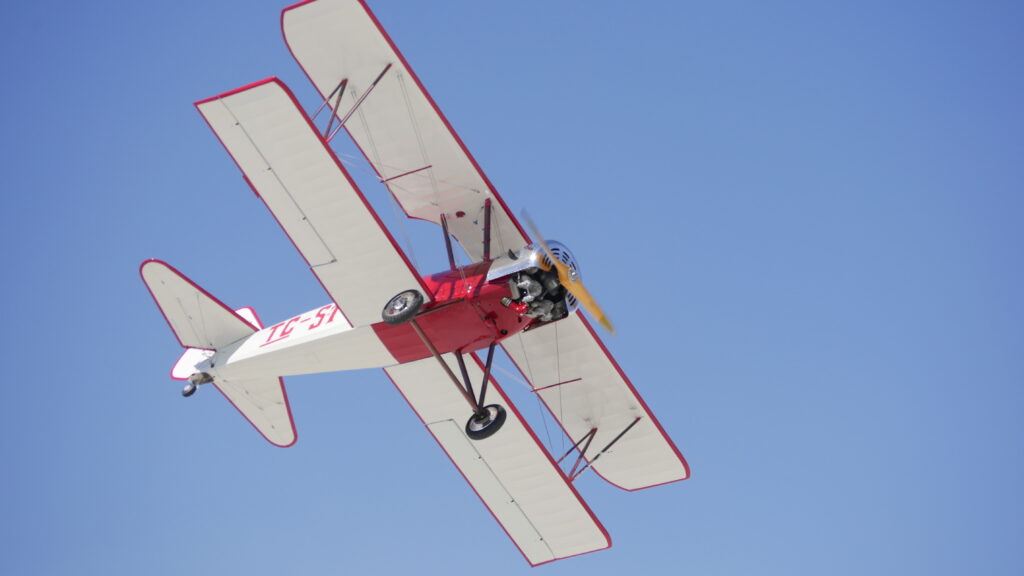
Could an airplane actually be too slow for advanced enemy anti-aircraft guns? Meet the Fairey Swordfish, the fabric-covered biplane that broke the rules of World War II. ✈️⚙️
In an age of cutting-edge steel war machines, this obsolete-looking biplane became a deadly anachronism. But its greatest weakness—extreme slowness—became its ultimate superpower. Flying at less than 100 mph during attack runs, the Fairey Swordfish flew so slowly that advanced enemy fire control systems literally couldn't calculate its speed. Even worse for the enemy, armor-piercing shells would often pass straight through its fabric airframe without detonating!
Nicknamed the "Stringbag" because it could carry almost any weapon, this obsolete biplane used a devastating torpedo to cripple the mighty German battleship Bismarck in 1941. It is a masterpiece of historical irony and engineering paradox. 🛡️
Would you trust a fabric biplane against a steel battleship? Let’s debate below! 👇
✈️ Subscribe to AviationStream on YouTube for the latest aviation videos.