





Last Updated: 4 months ago
What happens when you look out the window at 35,000 feet and realize no one is physically holding the steering wheel? Initially, the idea of “losing control” terrifies many passengers. When bad weather hits, we instinctively want a human holding the controls. However, the reality of the modern aircraft autopilot might surprise you: Actually, on most flights, pilots just monitor the system. But before you panic, you need to understand that this dynamic is exactly what makes commercial flying so incredibly safe. Let’s explore the real relationship between manuel control and the flight computer.
The Aircraft Autopilot vs. Pilot: The Cockpit Dynamic
First, it is crucial to understand that a commercial airplane is not a drone. The computer does not decide where to go. Instead, think of the pilot as the CEO and the aircraft autopilot as the highly efficient employee.
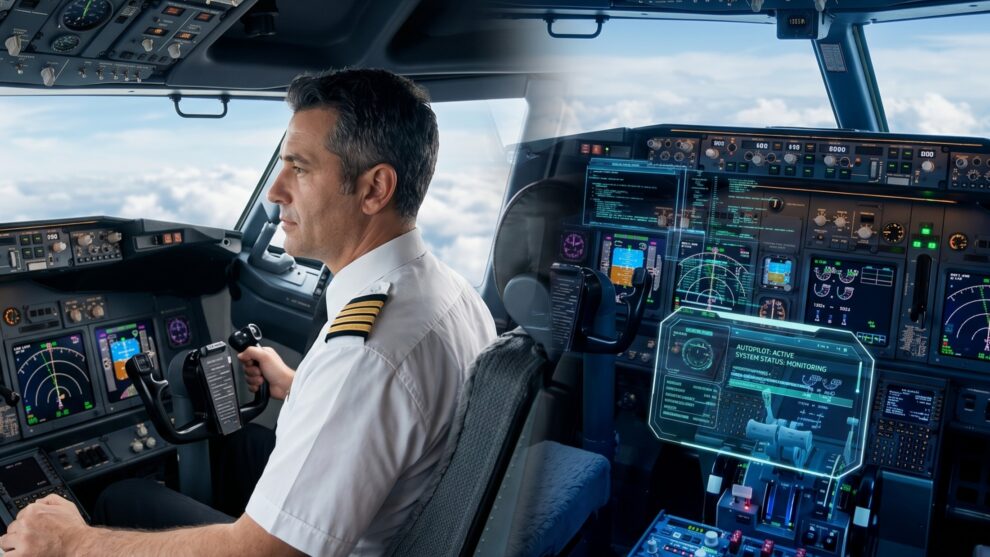
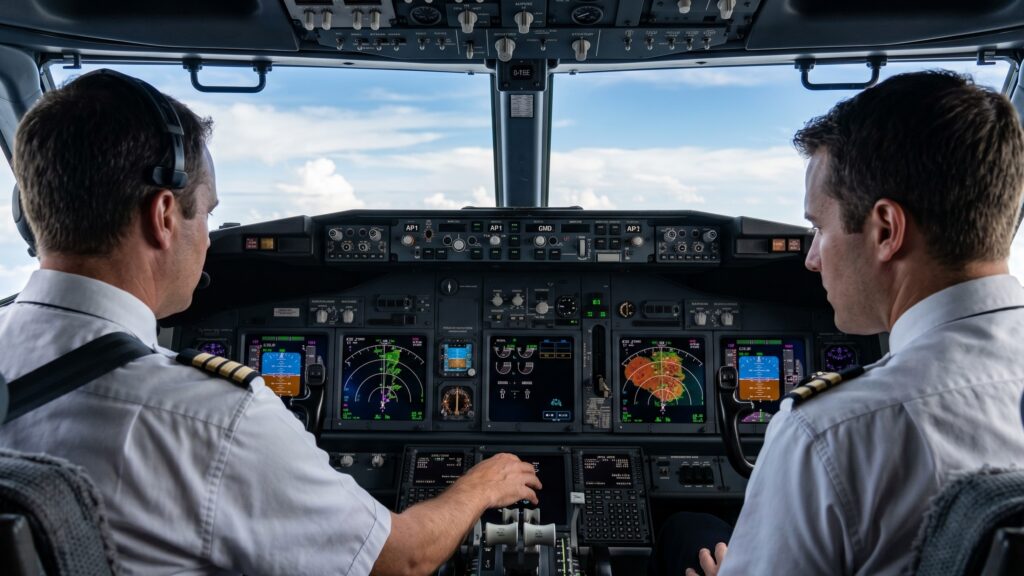
The pilots usually fly the plane manually during the complex takeoff phase. Once the aircraft reaches a safe altitude, they engage the system. The computer takes over the exhausting physical task of maintaining the exact altitude, speed, and heading for hours. This prevents human fatigue, allowing the pilots to step back and focus entirely on the bigger picture: analyzing weather radar, handling air traffic communications, and managing the overall safety of the flight.
The Fly-By-Wire Logic: A Digital Safety Net
Even when the aircraft autopilot is off and the human is flying, the computer is still watching. In older planes, the pilot’s steering column was physically connected to the wings with heavy steel cables. Today, we use fly-by-wire technology.
When the pilot moves the controls, they are actually sending an electrical signal to a computer. The computer instantly translates that request and moves the wings perfectly smoothly. More importantly, this fly-by-wire logic acts as an invisible protective shield. If a pilot accidentally pulls back too aggressively, the computer will intervene and limit the maneuver to prevent a dangerous stall.
Critical Moments: When Manuel Control Takes Over
So, if the aircraft autopilot is so smart, why do we even need pilots? The answer lies in the critical moments. Computers are strictly programmed to follow rules. But in aviation, extreme emergencies do not always follow the rules.
When an aircraft encounters severe wind shear or a sudden catastrophic system failure, the computer might not know how to react. This is when the human pilot instantly takes over. A computer cannot think outside the box, but a highly trained human can. In these life-or-death seconds, the pilot simply pushes a button, disables the automation, and flies the plane using pure experience, muscle memory, and instinct.
Conclusion: The Ultimate Partnership – aircraft autopilot
In conclusion, the fear of computer control is natural, but misplaced. The aircraft autopilot handles the repetitive tasks to prevent dangerous fatigue, while the pilot provides the critical thinking and instinct that machines lack. Ultimately, they form the perfect team to get you home safely.
Frequently Asked Questions (FAQs)
Does the computer land the plane? Sometimes. While pilots perform most landings manually to keep their skills sharp, the computer can perform an “autoland” during extreme fog when human visibility is absolutely zero.
What happens if the autopilot computer crashes? Modern planes have multiple backup computers. If one fails, another instantly takes over. If all of them fail, the pilot can simply grab the controls and fly the aircraft manually.
Did you knowAviationStream.com has a YouTube channel? Check out TheAeroGraphyOfficial and subscribe to watch fun, highly engaging aviation Shorts!