Engine Fire Detection and Extinguishing: Fire Loops and Bottles
Engine fire detection uses heat-sensing loops around the engine to warn the crew of a fire or overheat. The fire handle then isolates the engine, and extinguisher bottles fired by electrical squibs discharge agent into the engine nacelle.
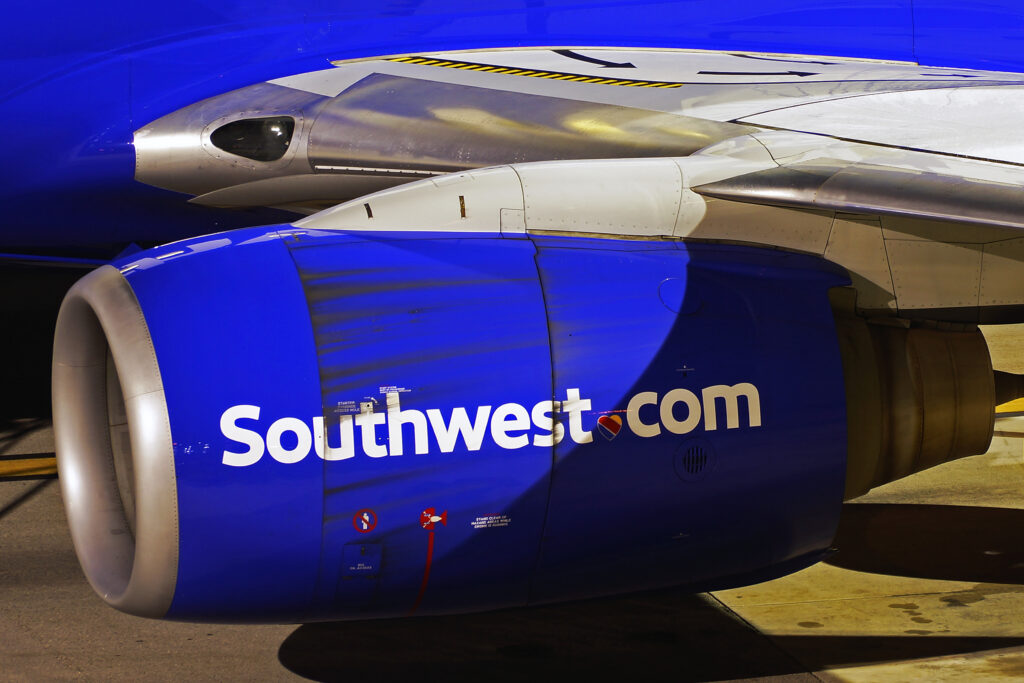
Engine fire detection and extinguishing is the system that warns the crew of a fire in an engine nacelle and lets them put it out. Heat-sensing loops around the engine trigger a warning bell and a red light in the fire handle; the crew then pulls the handle to isolate the engine and fires an extinguisher bottle, which floods the nacelle with fire-suppressing agent.
How fires are detected
The area around a turbine engine contains fuel, oil and hydraulic lines next to very hot engine cases, so it is divided into fire zones, each with its own detectors. The most common detector is a continuous loop: a thin tube routed around the zone.
- Electrical loops contain a core material whose resistance falls sharply as it gets hot. When the temperature at any point along the loop passes the alarm level, the control unit sees the change and triggers a warning.
- Pneumatic loops are filled with gas that expands when heated, closing a pressure switch.
Most airliners have two loops in each zone and use “AND” logic, so that both must detect the fire before a warning is given. This prevents false alarms from a single faulty loop, while the system can still be set to use one loop if the other fails. The crew can test the loops from the flight deck before flight.
What the fire handle does
When a fire warning sounds, the crew follows a checklist. Pulling the engine fire handle (or pressing the fire pushbutton on Airbus aircraft) typically:
- closes the fuel shutoff valve and the hydraulic fluid shutoff valve for that engine;
- closes the engine bleed air valve and disconnects the generator;
- arms the extinguisher squibs.
Turning the handle, or pressing a separate discharge button, fires a small explosive cartridge called a squib, which ruptures a seal and releases the bottle’s agent through pipes into the nacelle. Many airliners have two discharges available for each engine; on the Boeing 737, two bottles can each be fired into either engine.
The extinguishing agent
Most aircraft fire bottles use Halon 1301, a gas that interrupts the chemical reaction of a fire and leaves no residue. Because halons damage the ozone layer, their production was stopped in developed countries in 1994 under the Montreal Protocol, and the aviation industry is developing and certifying replacements while existing stocks are recycled.
Where you find it
Every turbine-powered airliner has engine and APU fire protection. On the ground, many APU fire systems discharge automatically, because the APU often runs with nobody on the flight deck.
Frequently Asked Questions
Can an engine fire be put out in flight? Usually, yes. Shutting off fuel removes the main source, and the agent suppresses what remains.
What is a squib? A small electrically fired explosive cartridge that opens the fire bottle.
Why two loops? To avoid false warnings and keep detection working if one loop fails.
References
- FAA Aviation Maintenance Technician Handbook – Powerplant (FAA-H-8083-32), chapter on engine fire protection systems
- 14 CFR 25.1203, Fire detector system
- 14 CFR 25.1195, Fire extinguishing systems
Start the discussion
Commenting on this term: Engine Fire Detection and Extinguishing: Fire Loops and Bottles