Electrical Bonding and Static Wicks: Managing Static on Aircraft
Electrical bonding connects all the metal parts of an aircraft so they stay at the same electrical potential, and static wicks on the trailing edges let built-up static charge leave the aircraft quietly without disturbing the radios.
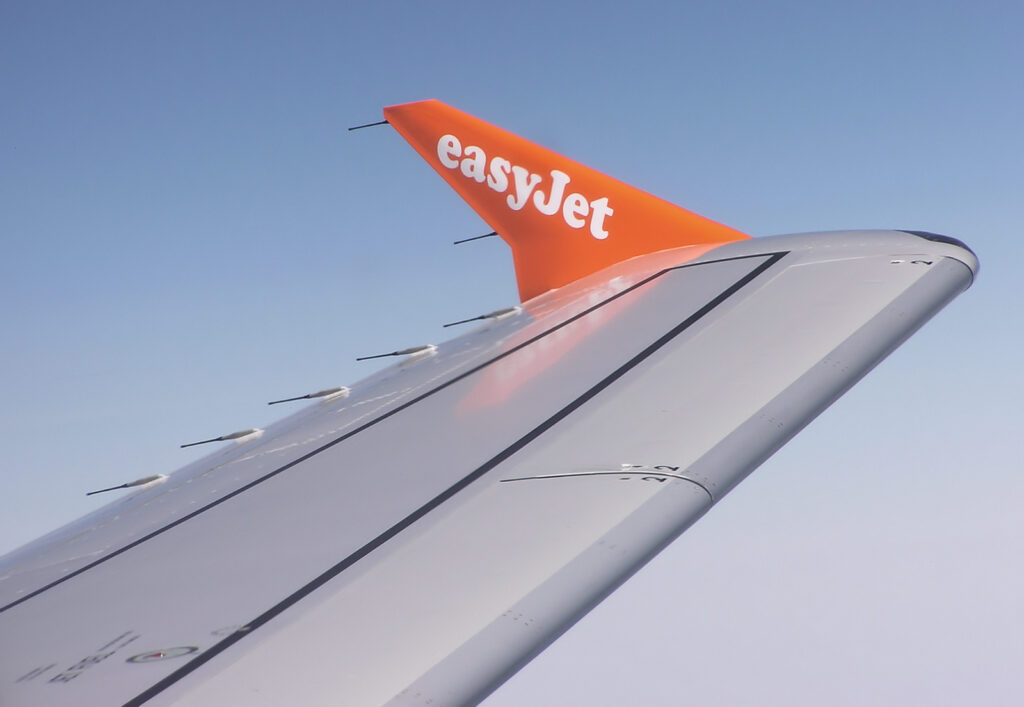
Electrical bonding means connecting all the conductive parts of an aircraft, such as control surfaces, panels, pipes and equipment racks, so that they form one continuous electrical path. Static wicks, also called static dischargers, are the small rods on the trailing edges of the wings and tail that let static charge leave the aircraft gently. Together they protect radios and navigation equipment from interference, prevent sparks and give lightning current a safe path through the airframe.
Why aircraft build up charge
An aircraft flying through rain, snow, ice crystals or dust picks up an electrical charge on its skin, much like a person walking across a carpet. If the charge cannot escape gently, it discharges in small bursts from sharp edges such as wingtips and antennas. This precipitation static causes crackling noise in the radios and can disturb navigation receivers.
How static wicks work
Static wicks are fitted where charge collects: on the outer trailing edges of the wings, the horizontal tail and the top of the fin. Each has very fine points or a carbon-coated core and a built-in resistance, so charge leaves the aircraft continuously at low voltage instead of in noisy bursts. According to the FAA, effective dischargers can reduce precipitation-static noise by about 50 decibels. A typical airliner has dozens of them, and they are checked on walk-around inspections because they break off easily. Our short video on static wicks shows where they sit.
Bonding
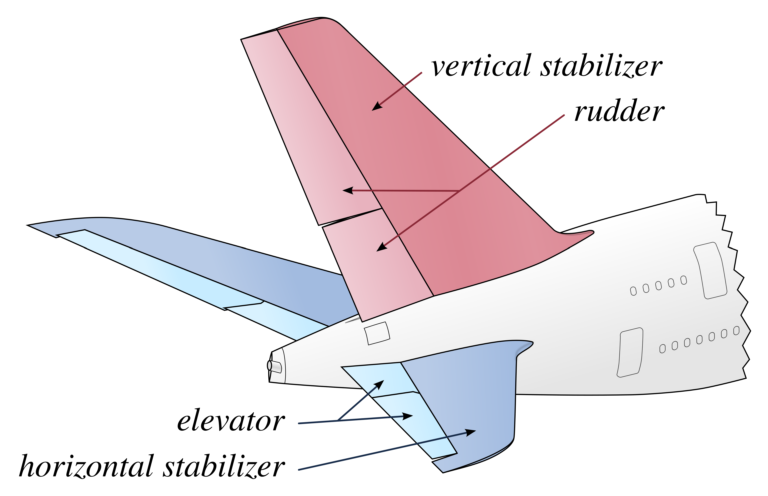
Static wicks only work if the whole airframe is electrically continuous. Moving parts such as ailerons, elevators and the rudder are connected to the structure with flexible bonding straps, and fasteners, panels and equipment are installed so that the resistance between them stays very low. Good bonding also matters for lightning: when an aircraft is struck, the current must flow through the skin and exit from another extremity without arcing across joints, particularly near fuel tanks. On aircraft made largely of composites, such as the Boeing 787, metal meshes or foils are built into the skin to carry this current.
When an aircraft is refuelled, a bonding cable connects the fuel truck or hydrant dispenser to the aircraft first, so that no spark can jump between them.
Frequently Asked Questions
Do static wicks protect against lightning? No. They handle small static charges; lightning protection depends on bonding and the aircraft’s structure.
Can an aircraft fly without static wicks? Usually yes, within the limits of the aircraft’s minimum equipment list, but radio noise may increase.
Why do some wicks look like small brushes? Older designs used fine wires or fibres; modern ones use a resin rod with tiny points.
Related terms: ice protection and fuel tank inerting.
References
- FAA Aeronautical Information Manual 7-6-12: Precipitation Static
- 14 CFR 25.899, Electrical bonding and protection against static electricity
- FAA Aviation Maintenance Technician Handbook – Airframe (FAA-H-8083-31), chapter on aircraft electrical systems (bonding)
Start the discussion
Commenting on this term: Electrical Bonding and Static Wicks: Managing Static on Aircraft