Fuel Jettison (Fuel Dumping): Why and How Aircraft Dump Fuel
Fuel jettison, or fuel dumping, is a system that lets an aircraft release fuel in flight to reduce its weight quickly, usually so it can return and land soon after take-off. Many wide-body airliners have it; most narrow-body jets do not.
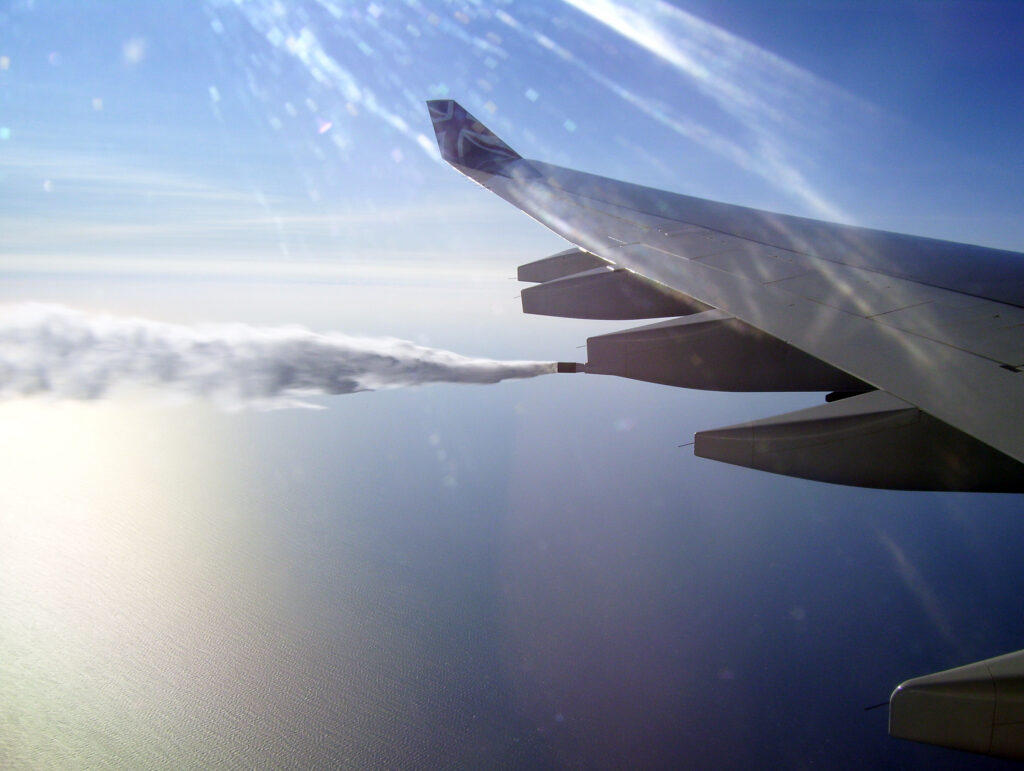
Fuel jettison, often called fuel dumping, is a system that lets an aircraft release fuel through nozzles in the wings while in flight. It is used in emergencies, when an aircraft that has just taken off heavy needs to land again quickly and would otherwise be above its maximum landing weight.
Why it is needed
A long-haul airliner can take off much heavier than it can safely land, because it carries many tonnes of fuel for the flight. If something goes wrong soon after take-off, such as an engine failure, a technical problem or a passenger who needs urgent medical care, the crew may want to land long before that fuel has been burned. Landing overweight puts higher loads on the landing gear and structure, needs a longer runway and can make a go-around harder. Dumping fuel brings the weight down in minutes instead of hours of circling.
How it works
Jettison pumps or the normal boost pumps send fuel to valves and nozzles, usually near the wingtips or trailing edges, where it is released as a fine spray. The crew selects the target fuel quantity, and the system stops automatically when it is reached, so that enough fuel always remains to land safely. On large aircraft, many tonnes of fuel can be released within a few minutes.
In the United States, 14 CFR 25.1001 requires a jettison system on airliners that could not meet the required climb performance if they had to return and land at their maximum take-off weight, and it must be able to dump enough fuel within 15 minutes.
Which aircraft have it
Fuel jettison is common on wide-body aircraft such as the Boeing 747, 777 and 787 and the Airbus A340, A350 and A380. Most narrow-body jets, such as the Boeing 737 and Airbus A320 family, do not have it. Their pilots either fly in a holding pattern to burn fuel or, if necessary, make an overweight landing, after which the aircraft is inspected.
Where it is done
Crews dump fuel in coordination with air traffic control, preferably over the sea or open country and high enough for most of the fuel to evaporate before reaching the ground. In January 2020, a Delta Air Lines 777 returning to Los Angeles jettisoned fuel at low altitude over a populated area, and people on the ground, including children at schools, reported skin irritation, showing why altitude and location matter.
Frequently Asked Questions
Is dumping fuel dangerous? Not when it is done as designed: the nozzles keep fuel away from the engines and the vapour disperses.
Can every plane dump fuel? No. Most narrow-body airliners and small aircraft cannot.
Does dumped fuel reach the ground? At normal dumping altitudes most of it evaporates and disperses before reaching the ground.
Related terms: aircraft fuel system and landing gear.
References
- 14 CFR 25.1001, Fuel jettisoning system
- FAA Aviation Maintenance Technician Handbook – Airframe (FAA-H-8083-31), chapter on aircraft fuel systems (fuel jettison)
Start the discussion
Commenting on this term: Fuel Jettison (Fuel Dumping): Why and How Aircraft Dump Fuel