




Last Updated: 4 months ago
The aircraft definition may seem simple at first, but the word covers a much wider subject than many people expect. In aviation, an aircraft is any vehicle designed to fly by gaining support from the air. That support can come from wings, rotor blades, lighter-than-air gas, or, in some cases, direct engine thrust.
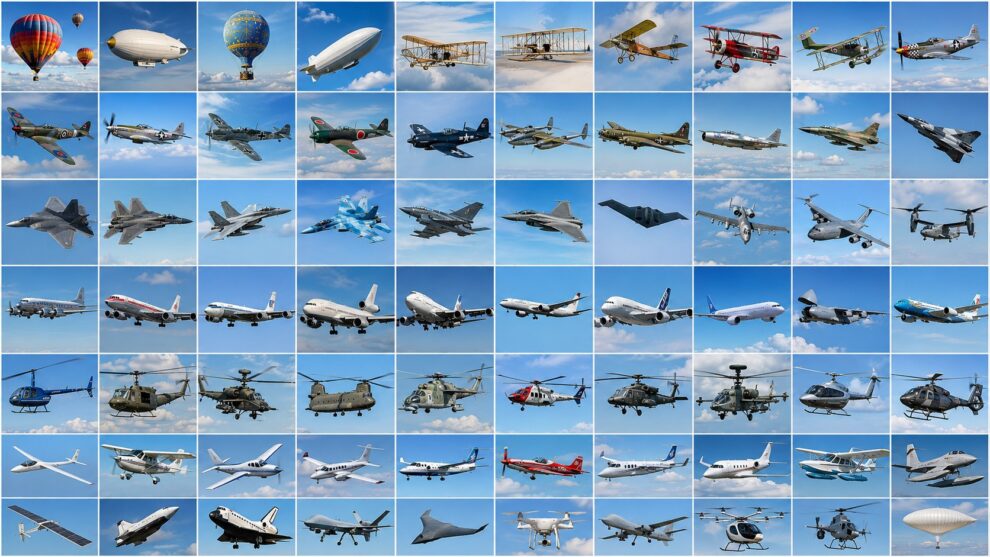
Many people use the word aircraft as if it only means airplane. However, an airplane is only one type of aircraft. Helicopters, gliders, hot air balloons, airships, drones, business jets, military jets, and commercial airliners all fit within this broader aviation category.
To understand the term correctly, it helps to begin with its origin.
Word Origin and Meaning – Aircraft Definition
The word aircraft combines two English words: air and craft. The word “air” refers to the atmosphere, where flight takes place. The word “craft” comes from Old English and originally carried meanings related to skill, strength, art, and construction.
English already used words such as “watercraft” to describe vehicles that moved on water. When flying machines began to develop, people needed a similar word for vehicles that moved through the sky. The term aircraft became useful because it could describe almost any machine intended for flight.
This is why aircraft works as a broader word than airplane. An airplane usually means a powered fixed-wing vehicle. Aircraft, however, includes many different flying machines with different designs and flight principles.
How Flying Vehicles Stay in the Air
Every flying vehicle must overcome gravity. Different designs achieve this in different ways.
Fixed-wing airplanes create lift with wings. As air moves around the wing, the wing redirects airflow and creates the force needed to keep the airplane in the sky. This type of lift is known as dynamic lift.
Helicopters also create dynamic lift, but they use rotating blades instead of fixed wings. Their rotor system allows them to take off vertically, hover, turn in tight spaces, and land in areas where airplanes cannot operate.
Balloons and airships use a different method. They rely on static lift. A hot air balloon rises because heated air inside the envelope weighs less than the cooler air around it. Airships use lighter-than-air gas to produce a similar lifting effect.
Some advanced vehicles also use direct engine thrust during specific flight phases. This can help with vertical flight, special maneuvers, or experimental designs.
Main Categories in Aviation
A clear aircraft definition should include the main aviation categories. These categories help explain how different flying vehicles work.
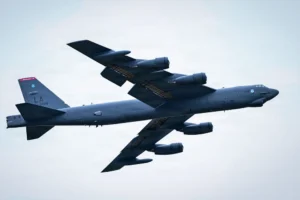
Fixed-wing aircraft include airplanes and gliders. Training airplanes, cargo jets, business jets, commercial airliners, and military fighters all belong to this group. Gliders also use fixed wings, but they can fly without continuous engine power.
Rotorcraft include helicopters and gyrocopters. These machines use rotating blades to produce lift. Helicopters are especially valuable for rescue missions, medical transport, aerial work, firefighting support, and operations in confined areas.
Lighter-than-air vehicles include hot air balloons and airships. These designs do not depend on wing lift in the same way airplanes do. Instead, they rise because the gas or heated air inside them has lower density than the surrounding atmosphere.
Unmanned aircraft include drones and remotely piloted systems. These vehicles can fly without an onboard crew. They support photography, inspection, mapping, surveillance, research, and delivery experiments.
The table below summarizes the main categories of flying vehicles and explains how each type stays in the air.
| Category | How It Flies | Common Examples | Typical Uses |
|---|---|---|---|
| Fixed-wing aircraft | Uses wings to create lift as air flows around them. | Airplanes, gliders, business jets, commercial airliners, military jets | Training, passenger transport, cargo, defense, private aviation |
| Rotorcraft | Uses rotating blades to generate lift. | Helicopters, gyrocopters | Rescue, medical transport, aerial work, firefighting support, short-area operations |
| Lighter-than-air vehicles | Uses hot air or lighter-than-air gas to rise. | Hot air balloons, airships, blimps | Tourism, observation, advertising, special missions |
| Unmanned aircraft | Flies without an onboard crew and may be remotely piloted or automated. | Drones, UAVs, remotely piloted aircraft systems | Photography, inspection, mapping, surveillance, research, delivery tests |
| Experimental or advanced vehicles | Uses new technologies, special lift systems, or alternative propulsion. | eVTOL aircraft, hybrid-electric aircraft, prototypes | Urban air mobility, research, future aviation development |
This comparison shows why the term aircraft is broader than airplane. It includes many different flying vehicles that use different methods to achieve flight.
From Early Flight to Modern Aviation
The story of aircraft began long before powered airplanes. Kites, balloons, and gliders helped humans understand the sky before modern engines existed.
In 1783, the Montgolfier brothers demonstrated one of the earliest successful hot air balloon flights. Their achievement showed that humans could rise above the ground and travel through the air.
During the nineteenth century, inventors studied gliders, wings, balance, and control. These experiments helped explain the principles of lift and stability. They also prepared the way for powered flight.
In 1903, the Wright Flyer achieved controlled, sustained, powered flight. This moment changed transportation, engineering, and military strategy. After that breakthrough, aviation advanced very quickly.
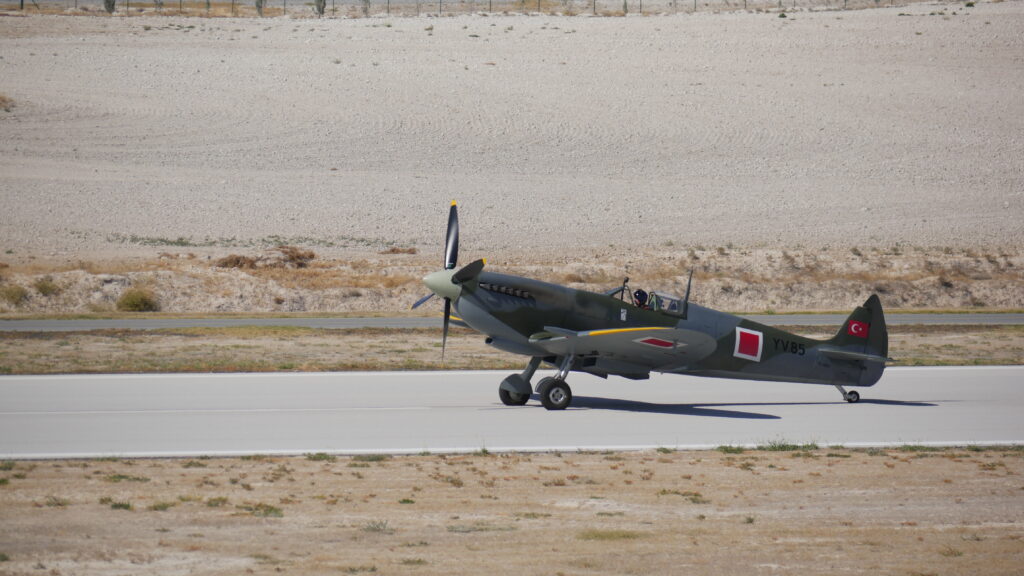
Early biplanes improved control and reliability. Later, stronger monoplanes and metal structures replaced many wood-and-fabric designs. Propeller-driven aircraft became faster, safer, and more capable.
Jet engines transformed aviation in the twentieth century. They allowed aircraft to fly higher, faster, and farther. Commercial airliners connected continents, while military jets changed the speed and complexity of air operations.
Today, modern aircraft use composite materials, efficient engines, digital avionics, satellite navigation, and advanced flight control systems. Drones and electric flight concepts continue to expand the meaning of the word.
Why This Term Matters
The word aircraft matters because aviation needs one broad term for many different flying vehicles. If someone says airplane, they usually mean a powered fixed-wing machine. If someone says aircraft, the meaning can include airplanes, helicopters, balloons, gliders, airships, drones, and other vehicles designed for flight.
This distinction helps students, pilots, engineers, mechanics, writers, and aviation enthusiasts use accurate language. It also prevents confusion when discussing different types of flying machines.
A strong aircraft definition does more than explain one word. It describes a full family of aviation vehicles. From early balloons to modern drones and advanced airliners, the term represents the long history and continuing progress of human flight.
Did you know AviationStream.com has a YouTube channel? Check out TheAeroGraphyOfficial and subscribe to watch fun, highly engaging aviation Shorts!